Let's be honest. The search for how to cook sliced chicken breast in a pan often ends in disappointment—a plate of dry, tough, flavorless pieces that make you question why you bothered. I've been there, tossing out more rubbery chicken than I care to admit. But after years in the kitchen, I cracked the code. The secret isn't a fancy ingredient; it's a simple understanding of heat, timing, and one crucial step almost everyone skips. This method delivers restaurant-quality, juicy pan-seared chicken breast slices every single time, perfect for salads, pasta, stir-fries, or just eating straight from the pan.
What You'll Learn in This Guide
- Choosing and Preparing Your Chicken Breast
- The Essential Tools for Pan-Searing Success
- Step-by-Step: How to Pan-Sear Sliced Chicken Breast to Perfection
- Mastering Heat and Timing for Different Thicknesses
- Pro Tips and Flavor Variations
- Common Mistakes and How to Fix Them
- Frequently Asked Questions (FAQ)
Choosing and Preparing Your Chicken Breast
Great pan-seared chicken starts before it even hits the heat. Most guides tell you to "pound the chicken to an even thickness." That's fine, but slicing is often better for quick, even cooking and maximum surface area for that golden crust.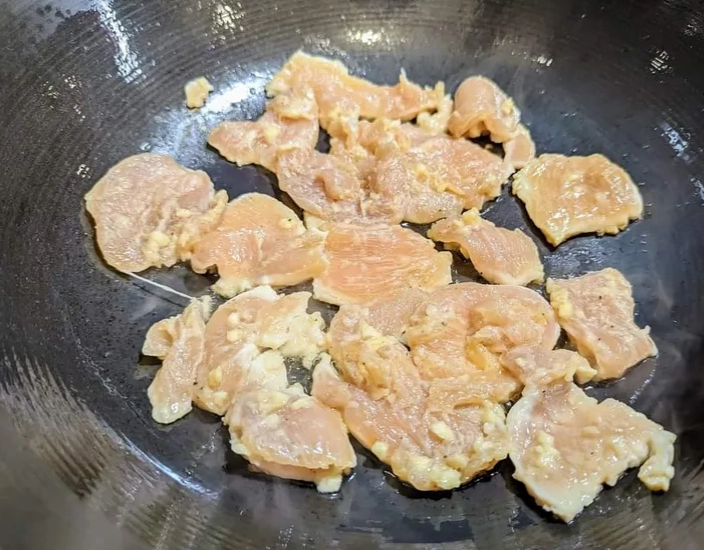
Buying the right chicken: Look for plump, pink breasts. If you see pale, watery meat in the package, put it back. I often opt for air-chilled chicken—it tends to have better texture and less excess water, which is the enemy of a good sear.
The slicing technique everyone gets wrong: Don't just hack at it. Place the breast flat on your board. Notice the grain—the lines running through the meat. For the most tender bite, you must slice against the grain. This shortens the muscle fibers. Think of it like cutting a bundle of straws; cutting across makes shorter, easier-to-chew pieces.
Thickness is your control knob. Aim for slices between 1/2 inch to 3/4 inch (1.2cm to 2cm). Any thinner, and they'll cook too fast, drying out before browning. Any thicker, and you risk a burnt outside and raw inside. Consistency is key—use a ruler if you have to. Uneven slices are the fast track to uneven cooking.
To Marinate or Not to Marinate?
A quick 15-30 minute soak in a simple brine (1/4 cup salt dissolved in 4 cups water) or a marinade with acid (lemon juice, yogurt) can work wonders for flavor and moisture. But here's the non-consensus part: If you're short on time, skip it. A dry brine—just generously salting the slices and leaving them on a rack in the fridge for an hour—delivers incredible results by seasoning the meat deeply and helping it retain juices. Patting the slices bone-dry with paper towels right before cooking is more critical than any long marinade for that perfect sear.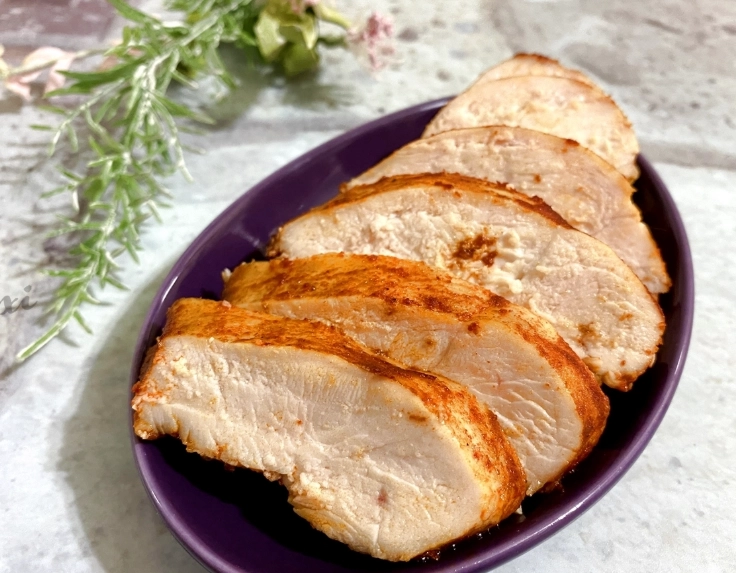
The Essential Tools for Pan-Searing Success
You don't need much. A good, heavy-bottomed skillet is non-negotiable. Cast iron or thick stainless steel are my go-tos. They distribute heat evenly, preventing hot spots that burn some slices while undercooking others. Non-stick pans are tricky—they prevent sticking but often don't get hot enough for a proper sear and can't go in the oven if you need to finish thicker pieces.
Other essentials: Tongs (for flipping, never a fork!), a digital instant-read thermometer (the single best investment for perfect chicken), paper towels, and a high-smoke-point oil like avocado, grapeseed, or refined coconut oil. Save the extra virgin olive oil for finishing.
Step-by-Step: How to Pan-Sear Sliced Chicken Breast to Perfection
This is the core of how to cook sliced chicken breast in a pan. Follow these steps in order.
Step 1: Dry the Chicken. This is the step I see skipped 90% of the time. Take your sliced, seasoned chicken and press each piece firmly between layers of paper towels. Moisture on the surface creates steam, which prevents browning. You want the surface arid.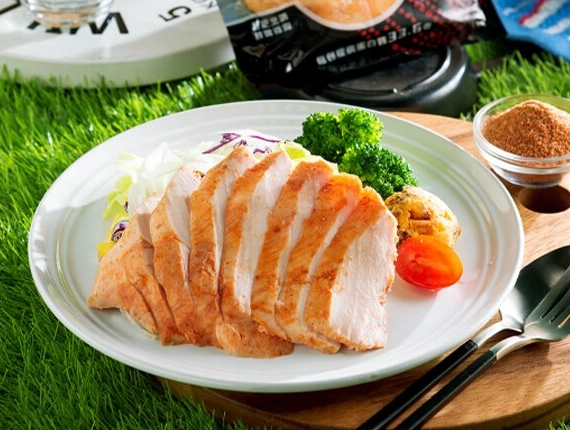
Step 2: Heat the Pan Correctly. Place your dry skillet over medium-high heat. Let it heat for 2-3 minutes. Add your oil and swirl to coat. The oil should shimmer and look fluid, not smoke. If it smokes immediately, your pan is too hot. If it just sits there, it's not hot enough.
Step 3: The Sear. Add the chicken slices in a single layer. Don't crowd the pan! If you pile them in, they'll steam instead of sear. You should hear an immediate, confident sizzle. If you don't, take the chicken out and let the pan get hotter.
Now, the hardest part: Don't touch them. For a good 3-4 minutes. Let a beautiful golden-brown crust form. Peek at the edges. When they look cooked about one-third of the way up the side, it's time to flip.
Step 4: The Flip and Finish. Flip each piece. The second side will cook slightly faster. Cook for another 2-4 minutes, depending on thickness.
Step 5: The Non-Negotiable Rest. This is the magic. The moment the internal temperature hits 160-162°F (71-72°C) on your thermometer, transfer the chicken to a plate or cutting board. Do not slice it. Tent it loosely with foil and let it rest for 5-10 minutes. The residual heat will carry it to the safe 165°F (74°C) recommended by the USDA, and the juices, which have rushed to the surface, will redistribute throughout the meat. Cutting immediately sends all those juices onto the plate, leaving you with dry chicken.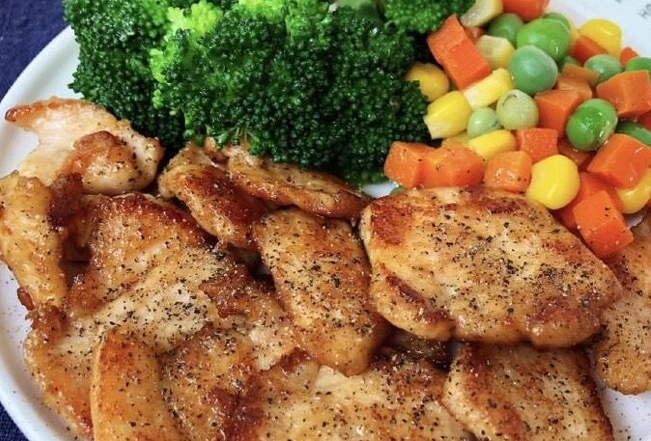
Mastering Heat and Timing for Different Thicknesses
Time is a guideline; temperature is the law. This table takes the guesswork out. These times assume room-temperature chicken added to a properly preheated pan.
| Slice Thickness | Approx. First Side Cook Time | Approx. Second Side Cook Time | Target Internal Temp (before resting) | Best For |
|---|---|---|---|---|
| 1/2 inch (1.2 cm) | 3 minutes | 2-2.5 minutes | 160°F (71°C) | Stir-fries, quick salads, tacos |
| 3/4 inch (2 cm) | 4 minutes | 3-3.5 minutes | 160°F (71°C) | Main course slices, pasta toppings, meal prep |
| 1 inch (2.5 cm) (cutlets) | 5-6 minutes | 4-5 minutes | 158-160°F (70-71°C) | Heartier dishes, sandwiches |
See how the target temp is 160°F, not 165°F? That's the expert move. The carryover heat during resting does the rest, preventing overcooking.
Pro Tips and Flavor Variations
Once you've mastered the basic sear, the world opens up.
The Pan Sauce Shortcut: After removing the chicken, add a splash of chicken broth, white wine, or even water to the hot pan. Scrape up all those browned bits (the fond) with a wooden spoon. Let it reduce by half, then swirl in a tablespoon of cold butter or a splash of cream. Pour this over your rested chicken. Instant restaurant sauce.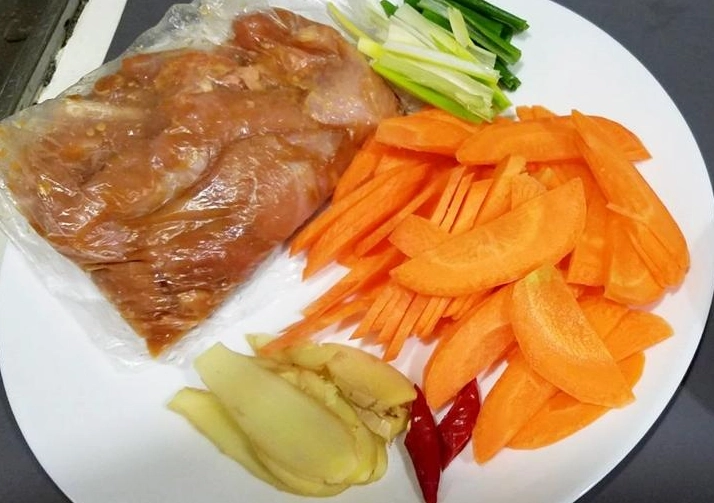
Flavor Blasts: Add whole spices like cumin seeds or fennel seeds to the hot oil for 30 seconds before adding the chicken. Or, in the last minute of cooking, add minced garlic, ginger, or fresh herbs like thyme or rosemary to the pan.
Common Mistakes and How to Fix Them
I've made all of these so you don't have to.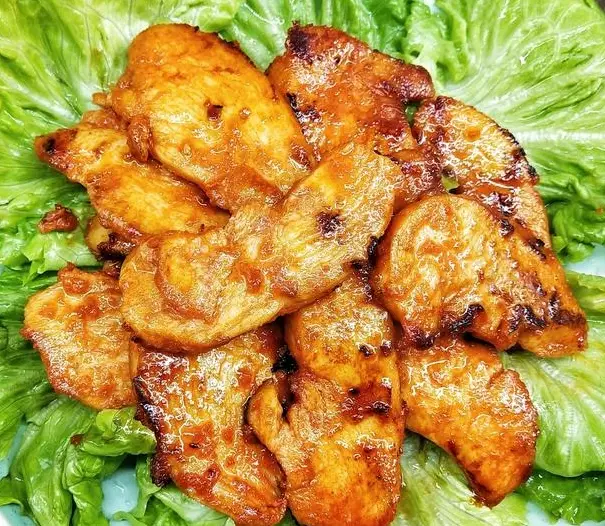
Mistake 1: Using a Cold Pan or Cold Chicken. This guarantees steaming and gray, rubbery meat. Fix: Always preheat your pan and pat chicken dry. Let slices sit out for 10-15 minutes to take the chill off.
Mistake 2: Crowding the Pan. This drops the pan temperature dramatically. You get boiled chicken, not seared. Fix: Cook in batches. It feels slower, but it's actually faster because each batch cooks correctly.
Mistake 3: Poking and Prodding. Constantly flipping prevents crust formation. Fix: Use your ears and eyes. A steady sizzle and visible browning around the edges mean it's working. Trust the process.
Mistake 4: Skipping the Rest. This is the difference between juicy and dry. Fix: Set a timer. Use the rest time to make your side dish or that quick pan sauce.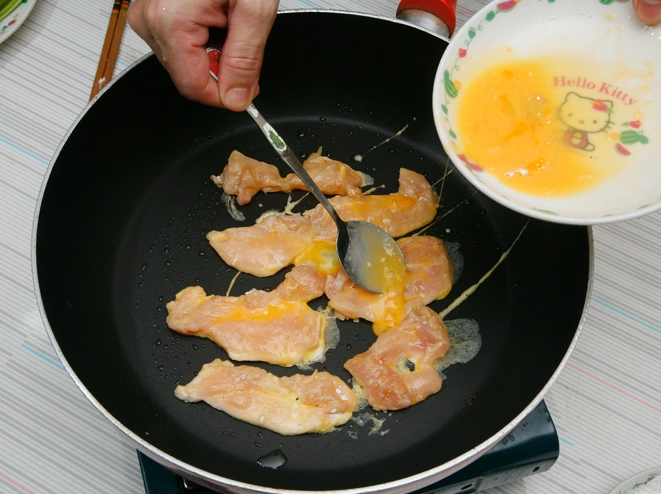
Frequently Asked Questions (FAQ)
Why is my pan-seared chicken breast always tough and rubbery?
Overcooking is the primary culprit. Chicken breast muscle fibers tighten and squeeze out moisture when cooked past 165°F. You're likely cooking it too long or at too high a heat without resting. The solution is the thermometer-and-rest method outlined above. The second most common reason is not slicing against the grain, which makes the meat stringy and hard to chew.
Can I cook sliced chicken breast from frozen in a pan?
You can, but you won't get a good sear, and it's very hard to avoid overcooking the outside while the inside thaws. The best method is to thaw it safely in the fridge overnight. If you're in a pinch, use the defrost setting on your microwave, then pat the slices extremely dry before seasoning and cooking. Expect more steam and less browning.
How do I know when the sliced chicken is done without a thermometer?
While a thermometer is foolproof, you can use the "finger test." Press the thickest slice with your finger. If it feels soft and squishy like the base of your thumb when your hand is relaxed, it's undercooked. If it feels firm and springy like the base of your thumb when you touch your thumb to your middle finger, it's done. The juices should also run clear, not pink, when pierced. This method takes practice and is less reliable than a $15 digital thermometer.
What's the best oil for getting a crispy sear on chicken slices?
You need an oil with a high smoke point so it doesn't burn and turn acrid during the high-heat searing process. My top recommendations are avocado oil (smoke point ~520°F/270°C), refined (not virgin) coconut oil (~450°F/232°C), and grapeseed oil (~420°F/216°C). Avoid extra virgin olive oil (smoke point ~375°F/190°C) and butter (smoke point ~302°F/150°C) for the initial sear.
My chicken sticks to the pan no matter what. What am I doing wrong?
Sticking usually means one of three things: 1) The pan wasn't hot enough before adding the chicken, 2) The chicken wasn't dry enough, or 3) You tried to move it too soon. A properly seared piece will release from the pan naturally when the crust forms. If it's sticking, give it another 30-60 seconds. If you're using stainless steel, ensure the pan is properly preheated—a common test is when a drop of water dances on the surface (the Leidenfrost effect) before evaporating.
Reader Comments