Let's be honest. The first time you see a spaghetti squash, it's not exactly inspiring. It's a pale, oblong thing that feels more like a decoration than dinner. I bought one on a whim years ago, let it sit on my counter for a week, and then nearly launched it across the kitchen trying to cut it in half. The knife got stuck, it was a mess. I almost gave up. But then I figured out the tricks—the simple, non-knife-fighting ways to handle it—and it completely changed my weeknight cooking.
Spaghetti squash meals are the secret weapon for anyone wanting to eat more vegetables without feeling like they're on a diet. When cooked, the flesh pulls apart into tender, noodle-like strands that are perfect for holding sauce. It's naturally low in calories and carbs compared to pasta, but the real win is how satisfying and versatile it is.
What's Inside?
How to Choose and Prep Your Spaghetti Squash (Without Losing a Finger)
This is where most people go wrong. You grab any squash, try to hack it raw, and get frustrated. Here's how to do it right.
Picking the perfect squash: Look for one that's firm, heavy for its size, and has a uniform pale yellow color. Avoid any with soft spots, cracks, or green patches (that means it's underripe). A smaller squash (2-3 lbs) often has sweeter, more tender strands than a giant one.
Now, the prep. Do not try to cut a raw, whole squash lengthwise on a slippery cutting board. It's the top kitchen hazard no one talks about. Instead, use one of these safer methods:
The Microwave Poke-and-Soften Method (My Favorite)
Take the whole squash and use a sharp knife or a sturdy fork to poke 10-12 deep holes all over it. This is crucial—it lets steam escape. Microwave it on high for 4-5 minutes. Let it cool for a minute. The skin will have softened just enough that your knife can glide through it with minimal pressure. Slice it in half lengthwise, scoop out the seeds and stringy pulp, and you're ready to cook.
The Roast-Whole Method (For Maximum Flavor)
If you have more time, this method concentrates the squash's natural sweetness. Poke holes all over the whole squash. Roast it on a baking sheet in a 400°F (200°C) oven for 45-60 minutes, until you can easily pierce the skin with a fork. Let it cool, cut it in half, and scoop. The strands will be slightly drier and more caramelized, which is fantastic for recipes where you want less moisture.
How to Cook Spaghetti Squash: Bake, Microwave, or Instant Pot?
Once halved and seeded, you have options. The goal is tender, separable strands. Here’s the breakdown:
Baking (The Standard): Place halves cut-side down on a parchment-lined baking sheet. Roast at 400°F (200°C) for 35-45 minutes. Test by poking the skin with a fork; it should give easily. Let it cool for 5-10 minutes before shredding with a fork. This method is hands-off and gives great flavor.
Microwaving (The Speed Demon): Place halves cut-side down in a microwave-safe dish with 2 tablespoons of water. Cover with a lid or vented plastic wrap. Microwave on high for 10-15 minutes, checking for tenderness. It's done when the skin is easily pierced. This is perfect for a single serving or when you're in a huge rush.
Instant Pot (The Set-It-and-Forget-It): Add 1 cup of water to the pot. Place the squash halves on the trivet, cut-side up. Pressure cook on high for 7-8 minutes, then do a quick release. The texture is consistently perfect and very moist.
My take? For flavor, I bake. For speed on a Tuesday night, I microwave. The Instant Pot is brilliant for meal prep when you're doing multiple squashes.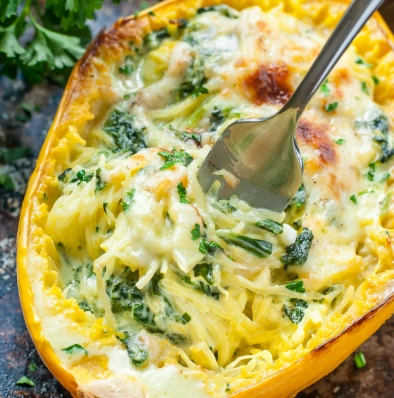
Three Spaghetti Squash Recipes You'll Make on Repeat
These aren't just "ideas." They're tested, detailed formulas with realistic prep times and costs. Assume you're starting with cooked squash halves.
1. Classic Garlic Parmesan Spaghetti Squash
This is your gateway recipe. It's simple, cheesy, and feels indulgent.
What you need: 2 cups cooked spaghetti squash strands, 2 tbsp butter, 3 cloves garlic (minced), 1/3 cup grated Parmesan cheese, salt, black pepper, fresh parsley or basil (chopped).
Make it: In a large skillet over medium heat, melt the butter. Add the garlic and cook for 60 seconds until fragrant—don't let it brown. Add the spaghetti squash strands and toss to coat in the garlic butter. Cook for 2-3 minutes just to heat through and let any excess moisture evaporate. Remove from heat, stir in the Parmesan until it melts and coats the strands. Season with salt and plenty of black pepper. Garnish with herbs. That's it. Serve immediately.
2. Loaded Tex-Mex Spaghetti Squash Boats
A complete, filling meal in the squash shell itself. Great for impressing guests or a fun family dinner.
What you need: 2 cooked spaghetti squash halves (keep the shells intact), 1 lb ground turkey or beef, 1 small onion (diced), 1 bell pepper (diced), 1 packet taco seasoning, 1 cup black beans (rinsed), 1 cup corn (frozen or canned), 1 cup shredded cheddar or Mexican blend cheese, toppings: salsa, avocado, sour cream, cilantro.
Make it: Preheat oven to 375°F (190°C). In a skillet, cook the ground meat until browned. Add onion and pepper, cook until soft. Stir in taco seasoning and a splash of water, then the beans and corn. Fluff the squash strands in each half with a fork. Divide the meat mixture between the two squash halves, piling it on top. Sprinkle generously with cheese. Place on a baking sheet and bake for 15-20 minutes, until the cheese is bubbly. Let cool for 5 minutes, then add your favorite toppings.
3. Lemony Chicken & Herb Spaghetti Squash Bowl
Bright, fresh, and light. This is my go-to for a post-workout meal or when I want something that doesn't feel heavy.
What you need: 3 cups cooked spaghetti squash strands, 2 cooked chicken breasts (shredded or diced), 1/4 cup olive oil, zest and juice of 1 lemon, 1/4 cup chopped fresh herbs (dill, parsley, and chives work great), 2 tbsp capers (optional, but recommended), 1/4 cup crumbled feta cheese, salt, pepper.
Make it: In a large bowl, whisk together the olive oil, lemon juice, lemon zest, herbs, and capers. Add the warm spaghetti squash and shredded chicken. Toss everything together until well coated. The warmth from the squash and chicken will help the flavors meld. Season with salt and pepper. Gently fold in the feta cheese right before serving so it doesn't completely dissolve. Can be served warm, at room temperature, or even cold.
Storing, Reheating, and Your Weekly Meal Prep Plan
Spaghetti squash is a meal prep superstar. Here's how to leverage it.
Storing Cooked Squash: Let the shredded strands cool completely. Store them in an airtight container in the fridge for up to 5 days. Do not store them in the hollowed-out shell—it takes up too much space and dries out faster.
The Reheating Trick: The biggest complaint is soggy reheated squash. To avoid this, reheat it in a dry skillet over medium heat for 3-5 minutes, stirring occasionally. This drives off the excess moisture that accumulates in the fridge. The microwave will work in a pinch, but expect soggier results.
A Sample Meal Prep Sunday: 1. Cook: Roast two whole spaghetti squashes using the roast-whole method. Let cool, shred all the strands. You'll have 6-8 cups.
2. Divide: Portion the plain strands into 4 containers.
3. Mix & Match: Leave two containers plain. To one, add the garlic and Parmesan (uncooked). To another, add the lemon-herb dressing and shredded chicken. Now you have bases for 4 different meals ready to go. Just heat the savory ones in a skillet, and the lemony one can be eaten cold.
Reader Comments