Let's be honest. The thought of cooking chicken breast on the stove probably brings back memories of dry, stringy, flavorless slabs of meat. I've been there. I've overcooked more chicken breasts than I care to admit, turning what should be a lean, delicious protein into something that needs a gallon of sauce to choke down. But it doesn't have to be that way. Cooking juicy, tender, and incredibly flavorful chicken breast on your stovetop is not only possible, it's surprisingly simple once you know the rules—and the common mistakes everyone makes.
What You'll Learn in This Guide
Getting It Right Before It Hits the Pan: Preparation is Everything
Most people fail at stove top chicken breast in the first five minutes. They take it from the package, throw some salt on it, and toss it in a cold pan. That's a recipe for steaming, uneven cooking, and disappointment.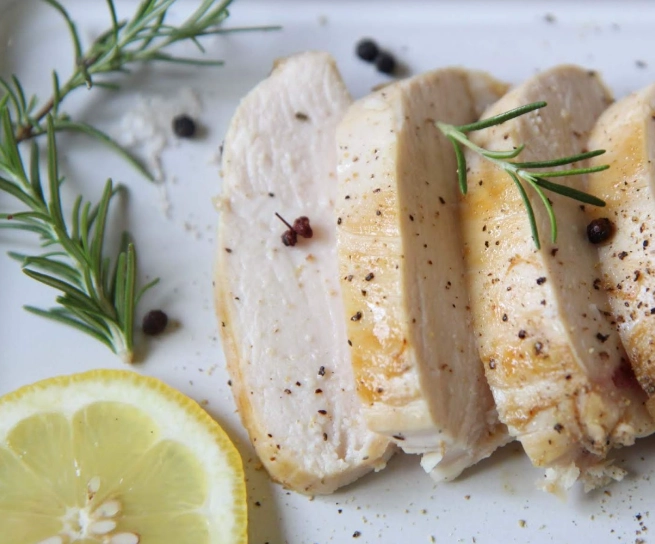
1. Choosing and Prepping Your Chicken Breast
Look for breasts that are similar in size and thickness for even cooking. If one end is much thicker, you have two choices: you can butterfly it (slice it horizontally almost all the way through and open it like a book) or pound it to an even thickness. I keep a rolling pin in a plastic bag for this—it's less messy than a meat mallet.
Here's the step almost everyone skips: pat it completely dry with paper towels. Moisture is the enemy of a good sear. Wet chicken steams; dry chicken browns.
2. The Equipment You Actually Need
You don't need fancy gear. You need:
- A heavy-bottomed skillet: Cast iron or stainless steel are kings here. They hold heat evenly, preventing cold spots that cause uneven cooking. Non-stick is okay for beginners, but it won't give you the same deep, flavorful crust.
- Tongs: For flipping without piercing the meat and losing juices.
- Instant-read thermometer: This is non-negotiable if you hate dry chicken. Guessing is for gamblers. The USDA recommends cooking poultry to 165°F (74°C), but you can pull it off the heat at 155-160°F (68-71°C) as carryover cooking will bring it up the last few degrees.
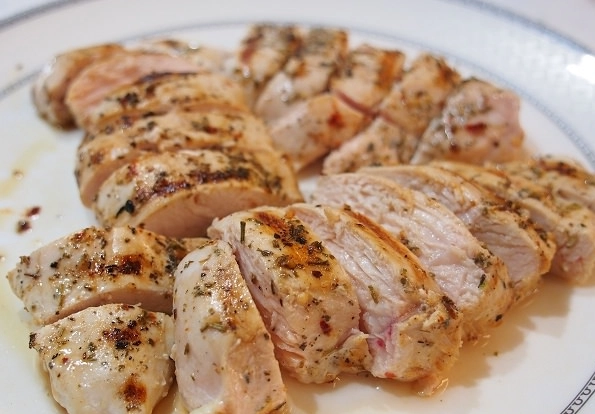
The Core Method: How to Pan-Sear Chicken Breast on the Stove (Step-by-Step)
This is the foundational technique. Master this, and you can build a hundred meals from it.
- Prep: Dry the chicken. Season liberally with salt and pepper (and any other dry spices you like).
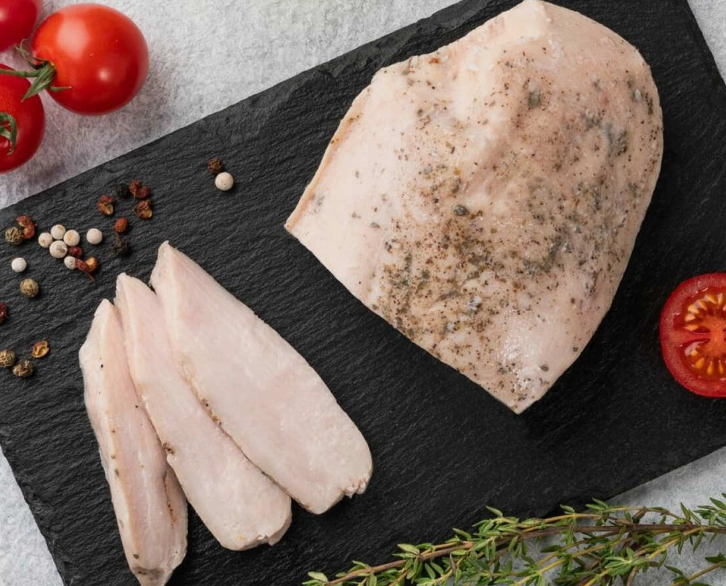
- Heat the Pan: Place your dry skillet over medium-high heat. Let it get properly hot for a minute or two. You should see a slight shimmer of heat waves.
- Add Fat: Add a high-smoke-point oil—avocado oil, grapeseed oil, or even a light olive oil work well. Enough to coat the bottom. Wait until the oil shimmers (about 30 seconds).
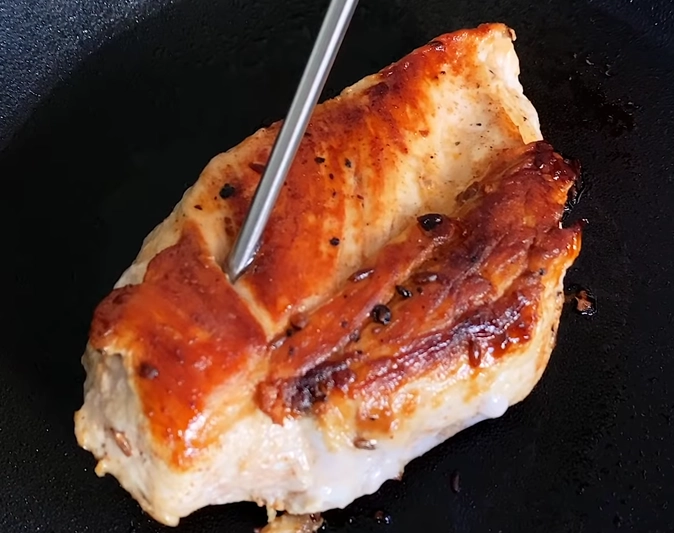
- Sear the First Side: Place the chicken in the pan, presentation-side down if you care. It should sizzle immediately. Do not move it. Let it cook undisturbed for 5-7 minutes, until a deep golden-brown crust forms. This is where the flavor builds.
- Flip and Finish: Flip the chicken. Reduce the heat to medium. Cook for another 5-7 minutes, or until the internal temperature reaches 155-160°F (68-71°C) in the thickest part.
- Rest: This is critical. Transfer the chicken to a plate or cutting board and let it rest for 5-10 minutes. The juices redistribute throughout the meat. If you cut it open immediately, all those juices run out onto your plate, leaving the meat dry.
Beyond the Basic Sear: Other Stovetop Chicken Breast Methods
Pan-searing is great, but it's not the only game in town. Depending on what you're making, other methods might be better.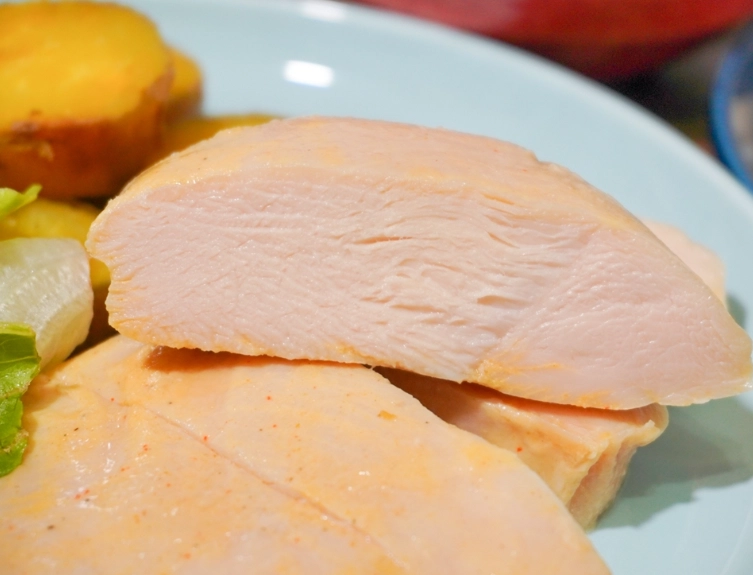
| Method | Best For | Key Technique | Texture Result |
|---|---|---|---|
| Pan-Searing (then finishing in oven) | Very thick breasts, meal prep | Sear on stove, then transfer to a 400°F (200°C) oven to finish cooking evenly. | Crispy exterior, supremely juicy interior. |
| Sautéing (cut into pieces) | Stir-fries, pasta dishes, salads | Cut raw breast into uniform cubes or strips. Cook over high heat in batches, moving constantly. | Tender, quick-cooking pieces. |
| Pan-Frying (with a coating) | Chicken Milanese, schnitzel, crispy cutlets | Dredge pounded breast in flour, egg, then breadcrumbs. Fry in 1/4 inch of oil. | Ultra-crispy, golden crust. |
| Braising/Poaching | Shredded chicken, chicken for soups | Simmer gently in liquid (broth, water with aromatics) just below a boil until cooked through. | Very moist, easy to shred, but no browning. |
The Real Secrets to Flavor: It's More Than Salt and Pepper
Okay, you can cook a juicy breast. Now let's make it taste amazing. Seasoning the outside is just the start.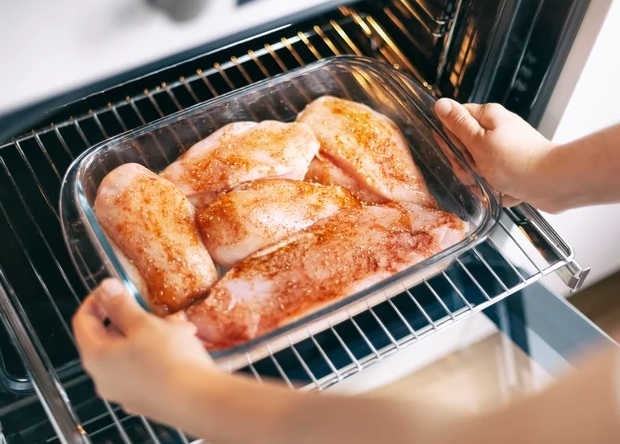
Build a Pan Sauce. This is the magic trick that makes you look like a pro. After removing the chicken, there will be browned bits (fond) stuck to the pan. That's pure flavor. Turn the heat to medium, add a splash of wine, broth, or even water to deglaze the pan, scraping up the bits. Let it reduce a bit, then stir in a pat of cold butter or a splash of cream until it forms a glossy sauce. Pour it over the rested chicken.
Marinate for Depth. For stronger flavor penetration, use an acidic marinade (yogurt, lemon juice, vinegar) for 30 minutes to 2 hours (not longer, or the texture gets mushy). An oil-based herb marinade can go longer.
Use Compound Butter. Mix softened butter with minced garlic, herbs, and lemon zest. After resting the chicken, place a slice of this butter on top. It melts into a luxurious, flavorful coating.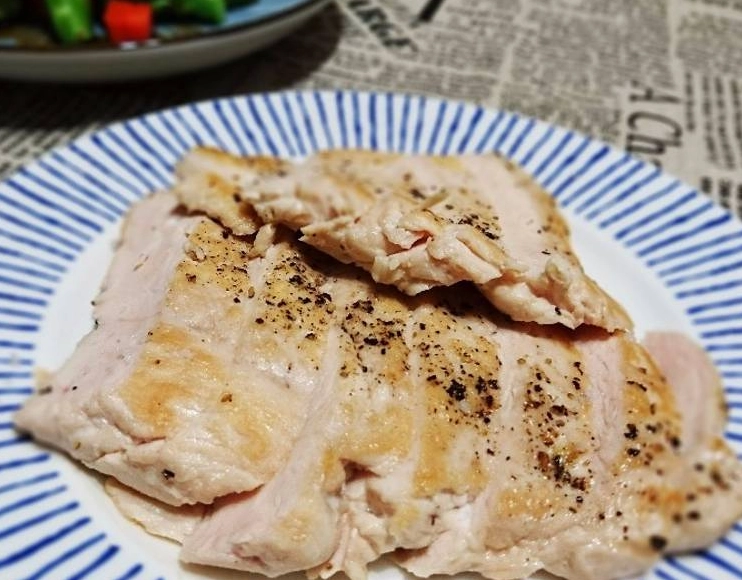
Your Top Stove-Top Chicken Breast Questions, Answered
So there you have it. Cooking perfect chicken breast on the stove isn't about a secret ingredient. It's about controlling heat, moisture, and time. It's about prepping properly, searing with confidence, and having the patience to let it rest. Get these fundamentals down, and you'll never have to suffer through a dry, bland piece of chicken again. You'll have a quick, healthy, and delicious protein ready for salads, bowls, pastas, or just a simple dinner with veggies any night of the week.
Reader Comments