Let's be honest. Roasting squash in the oven can be a commitment. Heating up the whole kitchen, waiting forever, and sometimes ending up with unevenly cooked, soggy pieces. That's why my air fryer became my go-to squash sidekick years ago. It delivers that crave-worthy crispy exterior and tender interior in half the time, with way less oil. But not all squash are created equal in the hot, circulating air of a fryer. I've burned my share of zucchini fries and undercooked enough butternut cubes to learn the hard way. This guide is everything I wish I knew when I started, packed with the specifics that actually matter.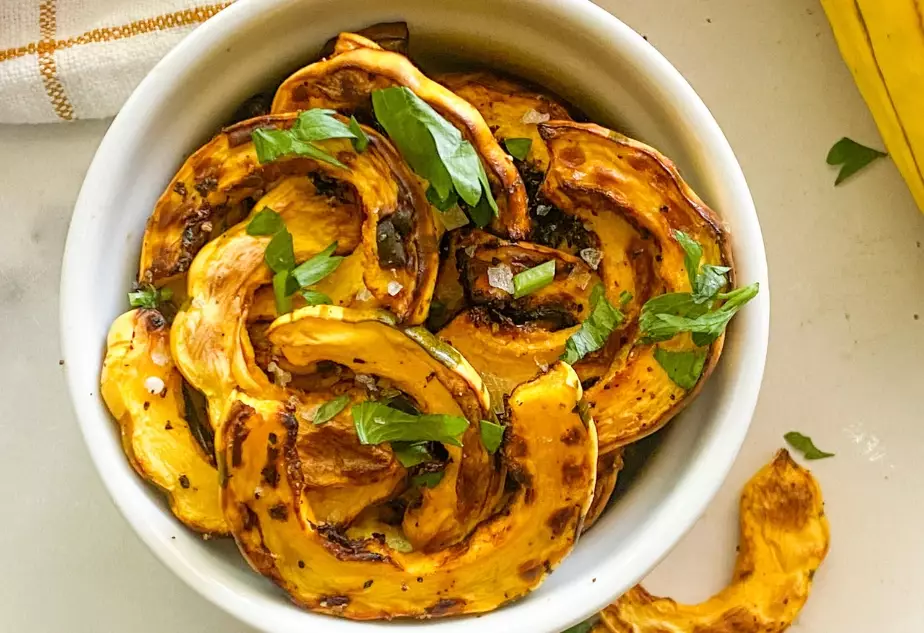
What's Inside This Guide
Why Your Air Fryer is a Squash Game-Changer
It's not just about speed, though cutting cook time from 40 oven minutes to 15 air fryer minutes is a big deal on a weeknight. The magic is in the texture. The intense, rapid air circulation creates a beautiful caramelized crust that's hard to achieve evenly in a standard oven without a lot of flipping and babysitting. You use significantly less oil—sometimes just a spritz—to get a result that feels indulgent. It's also a more contained cooking process. No more steaming up your kitchen on a hot day just for a side of roasted vegetables.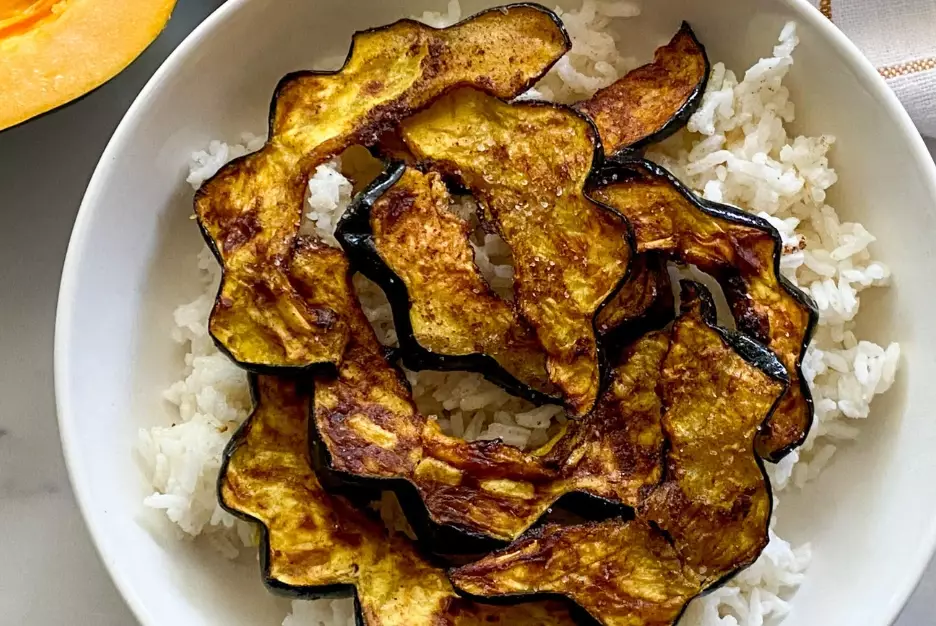
Pro Insight: The air fryer's small chamber intensifies flavors. Spices like smoked paprika or garlic powder toast and bloom more effectively than in a sprawling oven, giving your squash a deeper, restaurant-quality taste profile with the same ingredients.
Picking the Perfect Squash for Your Air Fryer
This is where most guides are too vague. "Summer squash" and "winter squash" behave completely differently. Your success starts at the grocery store or garden.
Summer Squash (High Moisture, Quick Cook)
Think zucchini, yellow squash, pattypan. These are over 90% water. The goal is to drive off moisture fast to avoid sogginess. They're perfect for fries, chips, or quick roasts. Look for firm, medium-sized squash. Giant zucchinis can be watery and seedy inside, which leads to mush.
Winter Squash (Dense, Starchy, Longer Cook)
Butternut, acorn, delicata, kabocha. These are denser, richer in natural sugars, and need more time to soften and caramelize. Delicata and acorn have edible skins, which is a huge win for prep time. Butternut needs peeling. For butternut, I look for ones with a long, thick "neck"—it's easier to cube uniformly than the bulbous bottom.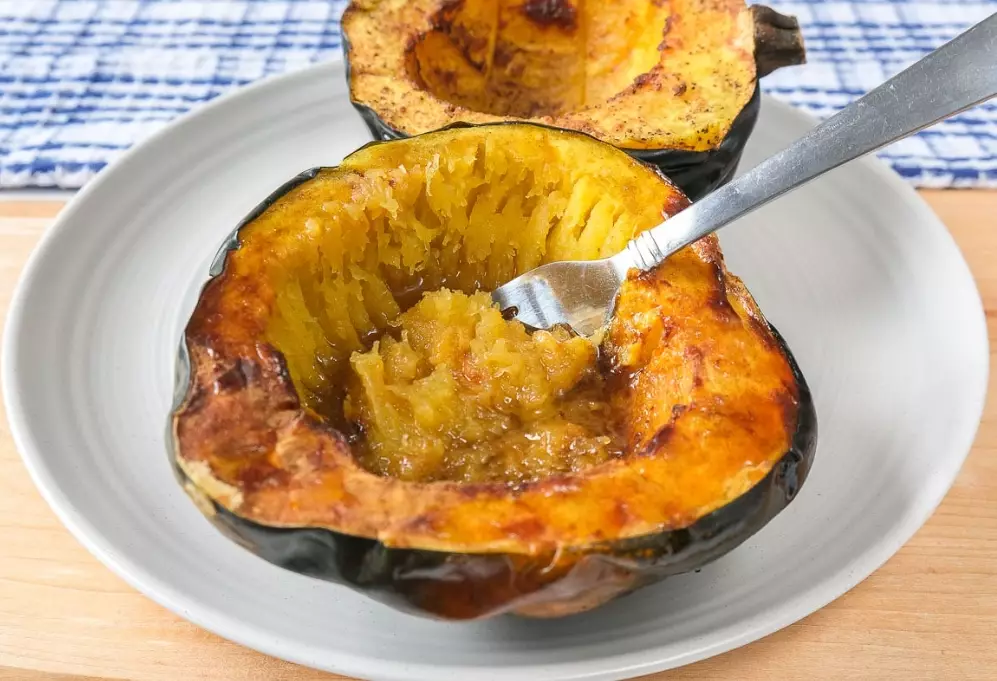
Here’s a quick cheat sheet:
- Best for Beginners/Fries: Zucchini, Yellow Squash, Delicata.
- Best for Meal Prep (reheats well): Butternut, Kabocha, Acorn.
- Trickiest (needs precise prep): Spaghetti Squash (requires pre-poking and a full cook cycle, then shredding).
The Non-Negotiable Prep & Seasoning Steps
Skip a step here, and you'll notice. I've done the experiments so you don't have to.
1. Wash & Dry Thoroughly. Seems obvious, but extra surface water is the enemy of crispness. Pat summer squash bone-dry with paper towels.
2. Cut Uniformly. This is the biggest secret nobody shouts about. If your pieces are different sizes, the small ones will burn before the big ones cook through. Aim for ¾-inch cubes for winter squash, ½-inch sticks or rounds for summer squash.
3. The Oil & Seasoning Toss. Don't just drizzle oil into the basket. Toss your squash in a large bowl with just enough oil to coat—about 1-2 teaspoons for a batch. Avocado or olive oil spray applied after tossing in the bowl works great for ultra-light coverage. Then add your seasonings. Salt draws out moisture, so if you salt too early in the bowl, you'll create a puddle. Toss with oil first, then season.
The Common Mistake: People overload the air fryer basket. Squash needs space for the air to circulate. If the pieces are piled on top of each other, they'll steam instead of crisp. Cook in a single layer, even if it means doing two batches. It's faster than one soggy batch you have to re-cook anyway.
4. The Preheating Debate. For summer squash, preheating is crucial. You want that hot air to hit the moist surface immediately. For winter squash, it's less critical, but I still do it for consistency. Just add 2-3 minutes to the cook time if you're starting cold.
Getting Time & Temperature Exactly Right
Air fryers vary, but these ranges are your blueprint. Always shake or toss the basket halfway through.
- Zucchini/Yellow Squash (sticks or rounds): 375°F (190°C). 10-14 minutes. Watch closely after 10 minutes.
- Delicata Squash (half-moons, skin-on): 400°F (200°C). 12-16 minutes. Gets beautifully caramelized.
- Butternut/Acorn Squash (¾" cubes): 390°F (195°C). 15-20 minutes. They're done when fork-tender with browned edges.
- Spaghetti Squash (whole, pierced): 375°F (190°C). 35-45 minutes. Let it cool before splitting and shredding.
The squash is done when it's tender when pierced with a fork and has the browning you desire. It will continue to soften a bit as it rests.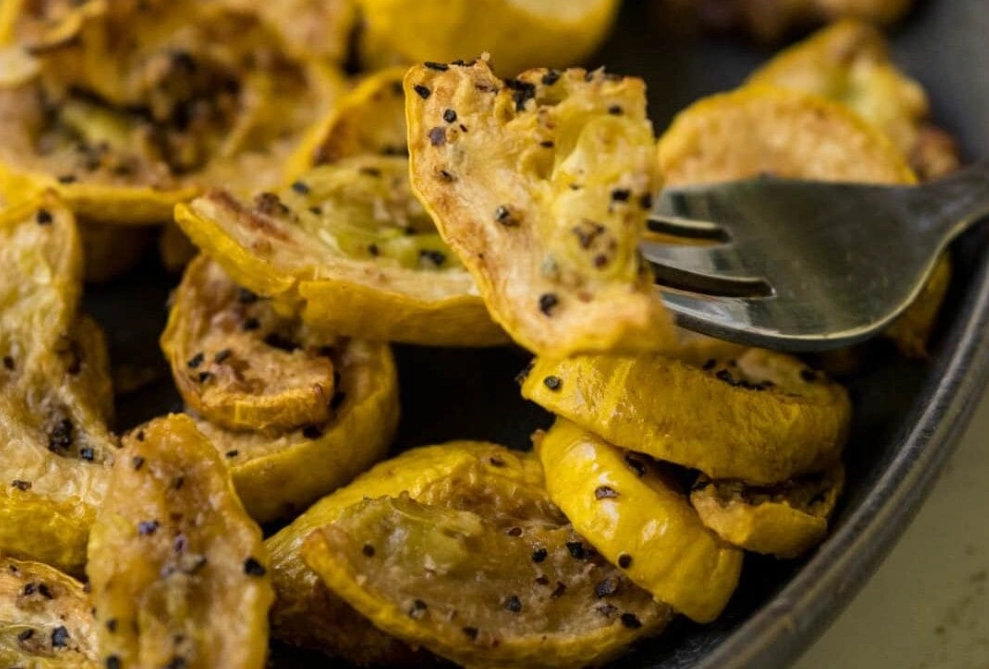
My Top 3 Can't-Mess-Up Air Fryer Squash Recipes
1. Crispy Zucchini "Fries"
This is the gateway recipe. Cut 2 medium zucchinis into ½x3-inch sticks. Toss with 1 tsp olive oil. In a separate bag, mix ¼ cup grated Parmesan, ¼ cup panko breadcrumbs, ½ tsp garlic powder, ¼ tsp paprika. Dredge the oiled zucchini in the crumb mix. Arrange in a single layer. Air fry at 375°F for 10-12 minutes, flipping halfway. They won't be deep-fryer crispy, but they'll have a fantastic savory crunch. Serve with marinara.
2. Maple-Cinnamon Butternut Squash Cubes
Peel and cube 1 small butternut squash. Toss with 1 tsp avocado oil, 1 tbsp pure maple syrup, ½ tsp cinnamon, ¼ tsp salt, and a pinch of cayenne if you like heat. Air fry at 390°F for 16-20 minutes, shaking once. The edges get sticky and lightly charred. It's like autumn in a basket.
3. Simple Savory Roasted Acorn Squash
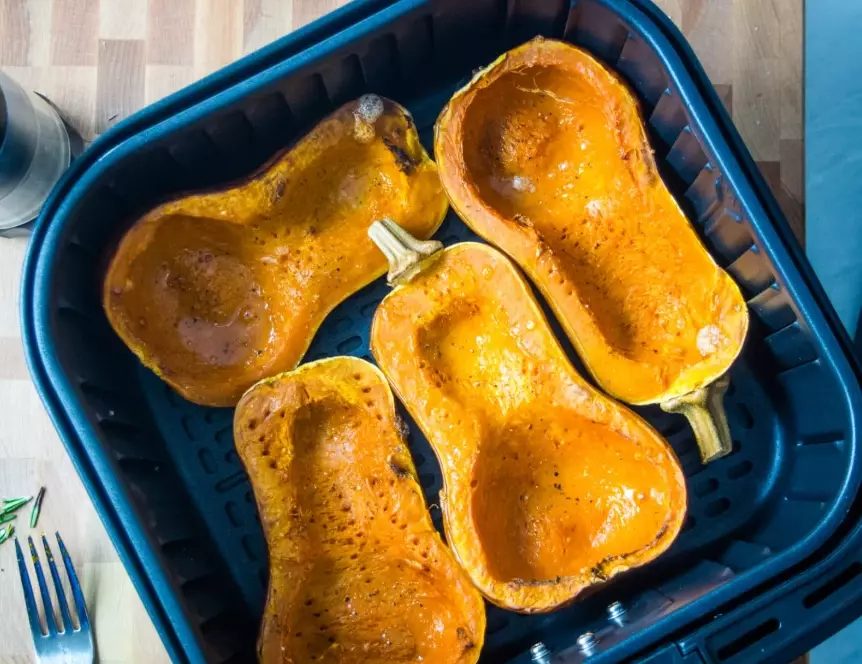
Slice 1 acorn squash into ½-inch thick half-moons (seeds removed, skin on). Toss with 2 tsp olive oil, 1 tsp smoked paprika, ½ tsp dried thyme, and salt/pepper. Air fry at 400°F for 14-18 minutes until tender and spotted brown. The skin becomes tender enough to eat.
Answering Your Squash Air Fryer Questions
 Can I cook frozen squash in the air fryer?
Reader Comments