Let's be honest. When you think "cold lunch," your mind probably goes straight to a sad, soggy sandwich or yesterday's reheated pasta that's now... cold. It feels like a consolation prize. But what if I told you that a cold lunch can be the most vibrant, flavorful, and energizing meal of your day? I've been packing lunches for over a decade—for office jobs, remote work, and hiking trips—and I've learned that moving beyond the bread-and-filling routine is a game-changer. It's about fresh textures, bright flavors, and food that makes you feel good hours after eating it, without the 3 p.m. slump.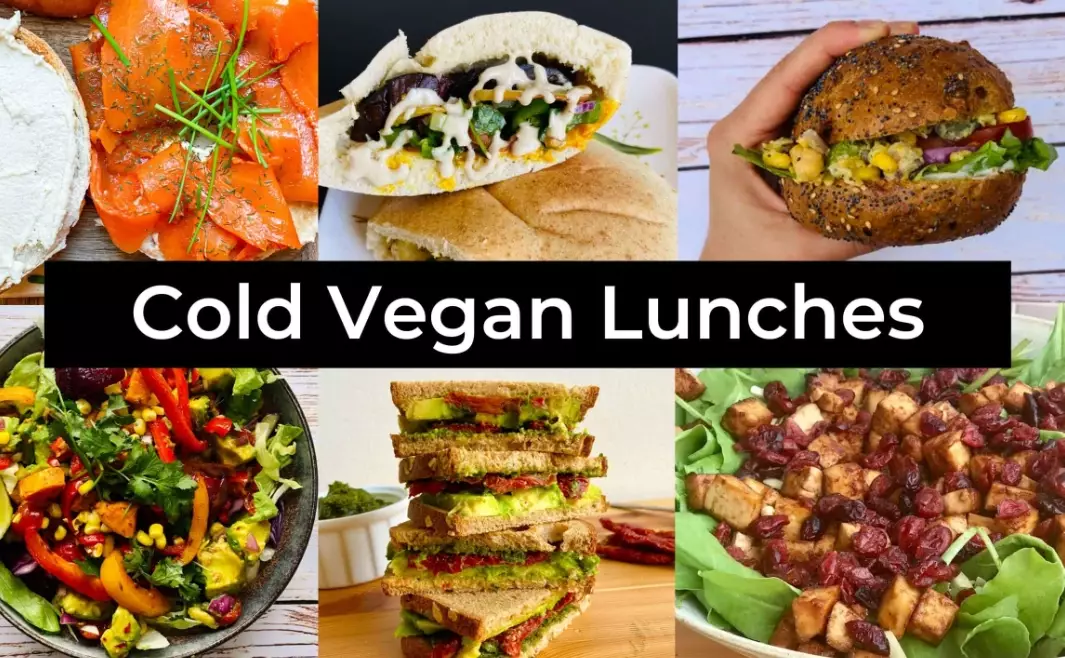
This isn't about eating lettuce straight from the bag. We're talking about hearty grain bowls, protein-packed salads that hold up for days, refreshing cold soups, and creative wraps that won't get mushy. The goal is to give you a toolkit of ideas that are fast to assemble, require minimal (or zero) cooking, and actually make you look forward to lunchtime.
Your Quick Lunch Fix Navigator
Why Choosing a Cold Lunch is a Seriously Smart Move
It's more than just convenience. A well-planned cold lunch hits on several fronts that a hot meal often struggles with, especially when you're away from a proper kitchen.
It's kinder to your food (and your wallet). Ever reheated fish in the office microwave? Don't. Some foods are simply meant to be eaten cold or at room temperature to preserve their texture and taste. A ripe avocado, a juicy tomato, delicate fresh herbs—they all lose something when heated. By designing meals around these ingredients, you're eating them at their peak. It also cuts down on food waste. That leftover grilled chicken or roasted sweet potato from dinner? Perfect cold lunch material.
It unlocks true meal prep freedom. With hot lunches, you're often stuck reheating the same chili all week. Cold components are modular. You can prep a big batch of quinoa, a tray of roasted chickpeas, a vibrant lemon-tahini dressing, and a variety of chopped veggies. Throughout the week, you mix and match. Tuesday is a quinoa bowl with chickpeas and red pepper. Thursday, those same chickpeas go into a wrap with spinach and a different sauce. It never feels repetitive.
It fuels you without weighing you down. Heavy, hot meals can sometimes lead to that post-lunch energy dip. A lunch centered on fresh vegetables, lean proteins, and whole grains provides steady energy. The fiber and nutrients are intact, and your body doesn't have to divert as much energy to digestion. You stay sharp.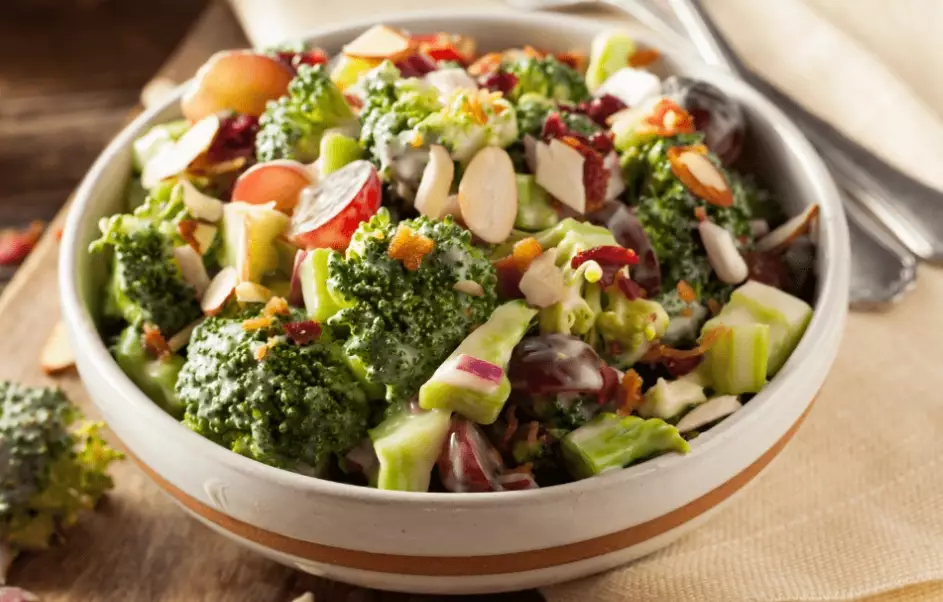
Here’s a quick look at the core advantages:
| Advantage | What It Means For You |
|---|---|
| No Reheating Needed | No microwave queues, no unevenly hot food, no lingering smells. |
| Meal Prep Friendly | Most components can be made 3-4 days ahead without losing quality. |
| Portability | Easy to pack in containers, jars, or wraps for work, school, or picnics. |
| Seasonal Flexibility | Perfect for hot summer days, but also a refreshing break year-round. |
Cold Lunch Recipe Inspiration: Move Beyond the Basics
Forget the iceberg lettuce and ranch dressing stereotype. Think in terms of components: a base, a protein, plenty of veggies, a healthy fat, and a killer dressing. Here are my go-to categories.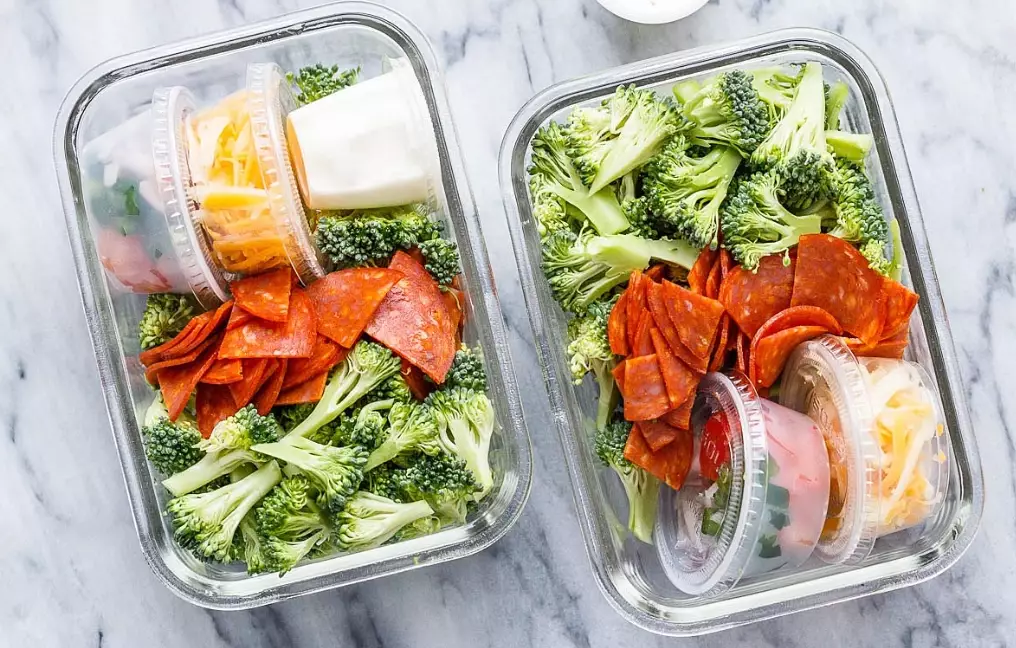
Salads That Actually Keep You Full
The key is to choose sturdy greens and ingredients that won't wilt into a sad pile by noon. Kale, shredded Brussels sprouts, or hearty cabbage are champions. My absolute favorite is a Massaged Kale and Chickpea Salad. Massaging chopped kale with a little olive oil and lemon juice breaks down the fibers, making it tender and sweet. Toss it with canned chickpeas (rinsed and patted dry), toasted sunflower seeds, dried cranberries, and a simple garlic-Dijon vinaigrette. It actually gets better on day two.
Another winner is a Mediterranean Quinoa Salad. Cooked and cooled quinoa, diced cucumber, cherry tomatoes, Kalamata olives, red onion, and crumbled feta cheese. Dress with lemon juice, olive oil, and lots of fresh dill or parsley. It's a complete meal in one bowl.
Wraps, Rolls, and Handhelds
Not all wraps are sandwiches. The trick is to use a barrier between the filling and the wrap to prevent sogginess. A layer of hummus, cream cheese, or a thick spread acts as a perfect moisture shield.
Try a Smoked Salmon and Herb Cream Cheese Wrap. Spread a whole-wheat tortilla with herbed cream cheese. Add a layer of thinly sliced cucumber, smoked salmon, capers, and a handful of arugula. Roll it tightly, wrap in parchment paper, and slice in half. The flavors are clean and sophisticated.
For a vegan option, a Spicy Peanut Soba Noodle Salad in a Collard Green Wrap is incredible. Blanch a large collard green leaf for 30 seconds to make it pliable. Fill it with cold soba noodles tossed in a spicy peanut-lime sauce, shredded carrots, and cilantro. It's messy in the best way possible.
The Power of the Bowl
Bowls are the ultimate vehicle for cold lunches. They're visually appealing and endlessly customizable. Follow this simple formula:
- Base (1/2 of the bowl): Mixed greens, spinach, cooked & cooled grains (farro, brown rice, quinoa), or zucchini noodles.
- Protein (1/4 of the bowl): Canned tuna or salmon, shredded rotisserie chicken, hard-boiled eggs, edamame, lentils, or baked tofu.
- Veggies & Crunch (1/4 of the bowl): Anything raw or roasted: bell peppers, snap peas, broccoli, radishes, avocado.
- Dressing & Garnish: A generous drizzle of your favorite sauce and a sprinkle of seeds, nuts, or fresh herbs.
Don't Forget Cold Soups and Snack Plates
Gazpacho is the classic for a reason. A blended soup of ripe tomatoes, cucumber, bell pepper, onion, garlic, sherry vinegar, and olive oil is like drinking a garden. Pack it in a thermos or jar. It's incredibly refreshing.
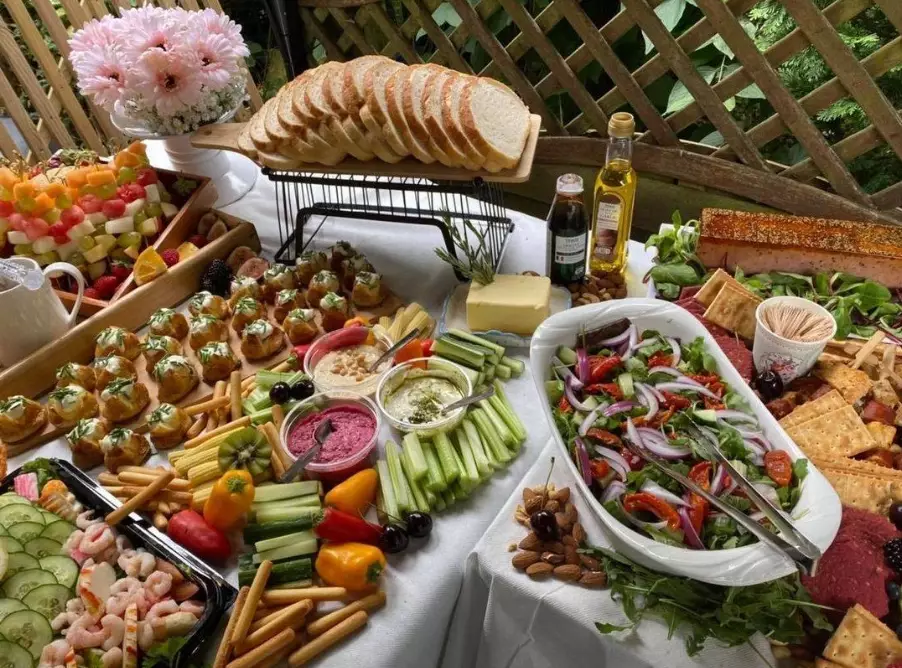
Sometimes, a composed snack plate is the perfect lunch. Think: whole-grain crackers, slices of cheese, hard salami or turkey, olives, nuts, sliced apple, and a handful of cherry tomatoes. It's zero-cook, satisfying, and feels like a treat.
How to Master Cold Lunch Meal Prep in 60 Minutes
Spending a bit of time on the weekend transforms your week. Here's a realistic plan for a Sunday afternoon.
Step 1: Cook Your Grains & Proteins (20 mins). Put a pot of quinoa or farro on to cook. While that's going, drain and rinse a can of chickpeas, pat them dry, toss with olive oil and spices (paprika, cumin), and roast at 400°F for 20 minutes until crispy. Hard-boil a half-dozen eggs. This step gives you versatile building blocks.
Step 2: Chop & Store Veggies (20 mins). Wash and chop your crunchiest vegetables. Bell peppers into strips, cucumbers into half-moons, carrots into matchsticks. Store them in airtight containers with a damp paper towel on top to keep them crisp. Wash and dry lettuce or kale.
Step 3: Make Your Secret Weapon: Dressings & Sauces (15 mins). This is where the magic happens. Whip up two or three dressings in jars or small containers. A classic vinaigrette (3 parts oil, 1 part vinegar, mustard, salt, pepper). A creamy tahini-lemon sauce. A spicy yogurt sauce. Having these ready means you'll never eat a dry, boring salad.
Step 4: Assemble with Strategy (5 mins). Don't fully assemble meals yet. Keep components separate. In the morning, or the night before, layer your bowl or container. Start with dressing at the bottom, then add hearty grains or chickpeas, then firmer veggies, then greens on top. When you're ready to eat, shake or mix. Everything stays perfect.
The biggest error I see? People under-season their components. Season each layer—your grains with a pinch of salt after cooking, your roasted chickpeas well, your dressing boldly. A cold lunch needs brighter, more pronounced flavors to sing.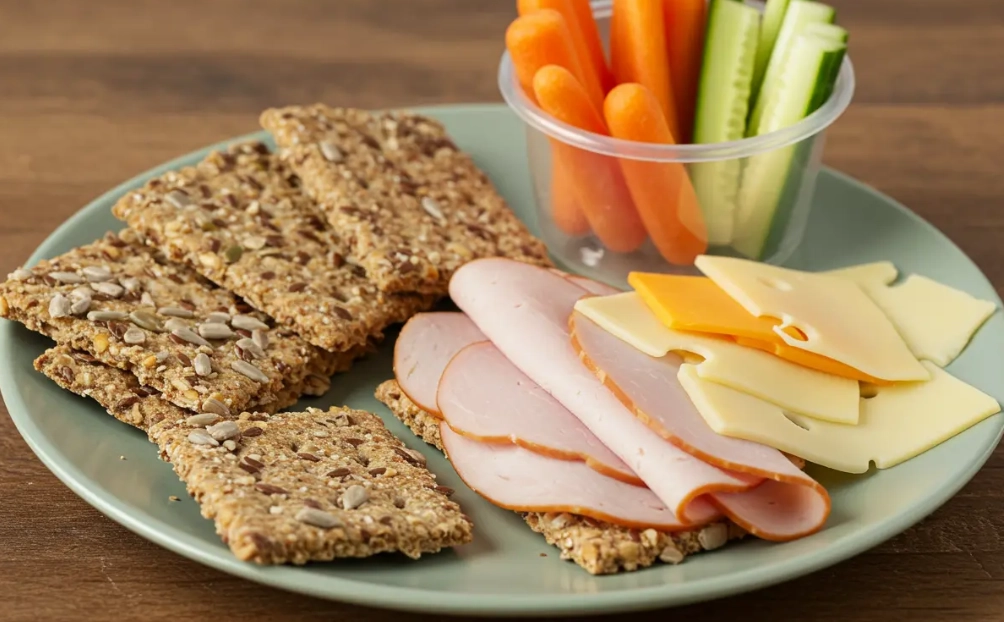
Your Cold Lunch Questions, Answered
What are the best containers to keep everything fresh and prevent leaks?
How can I make sure my cold lunch has enough protein to keep me full?
What's the biggest mistake people make when prepping a cold lunch for the office?
I get bored easily. How can I keep my cold lunches interesting all week?
Cold lunches have completely changed my relationship with midday meals. They're less of a chore and more of a creative, nourishing break. It's about embracing ingredients that are meant to be enjoyed fresh, playing with flavors, and giving yourself a meal that leaves you feeling energized, not sluggish.
Start with one new recipe this week. Maybe it's the massaged kale salad or a simple grain bowl. Pack it with an ice pack, keep your dressing separate, and taste the difference. You might just find yourself ditching the microwave line for good.
Reader Comments