What You'll Learn in This Guide
I used to hate cooking chicken breast on stove. Every time, it came out dry, tasteless, and somehow both overcooked and undercooked in spots. Then I spent a summer working in a busy diner, watching the chef crank out perfect chicken breasts for hundreds of customers. The secret wasn't fancy equipment—just a heavy skillet and a few tweaks most home cooks miss.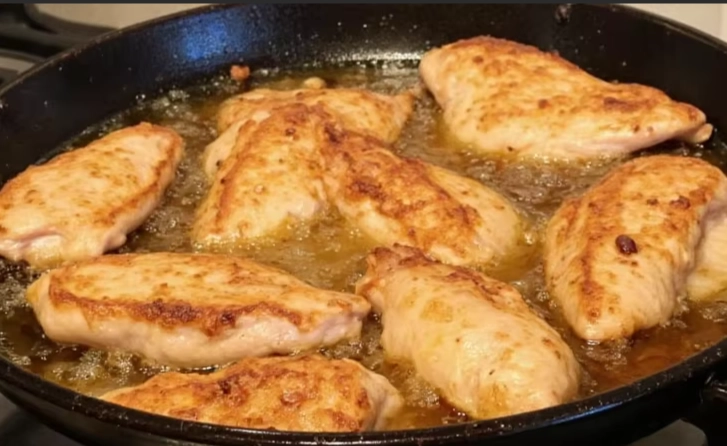
Stovetop cooking gives you control. You can sear for flavor, adjust heat on the fly, and get dinner done in 20 minutes. But it's easy to mess up. Let's fix that.
Why Stovetop Cooking Beats Oven for Chicken Breast
Oven-baked chicken breast has its place, but for weeknight dinners, the stovetop wins. Speed is the biggest factor. While an oven takes 20-30 minutes to preheat and cook, a skillet on medium-high heat can have juicy chicken ready in 15 minutes flat.
You also get a better sear. That golden-brown crust—called the Maillard reaction—adds depth of flavor you can't achieve with baking alone. I learned this the hard way when I served baked chicken to friends; they politely chewed while I cringed at the blandness.
Control over doneness is another perk. With a skillet, you can poke, flip, and adjust heat instantly. No more guessing if the center is done.
Gear Up: Essential Tools and Ingredients
Before you start, gather your stuff. Here's what I always have on hand:
- A heavy skillet: Cast iron or stainless steel. Non-stick works, but it won't give you that restaurant-quality sear. I burned through three cheap pans before investing in a Lodge cast iron—worth every penny.
- Tongs: For flipping without piercing the meat. Piercing lets juices escape.
- Meat thermometer: Non-negotiable. The ThermoPop from Thermoworks is my go-to. Eyeballing doneness leads to dry chicken.
- Chicken breast: Boneless, skinless. Look for even thickness—pound them to ½ inch if needed. Uneven cuts cook unevenly.
- Oil with high smoke point: Avocado oil, grapeseed oil, or refined olive oil. Extra virgin olive oil smokes too easily.
- Salt and pepper: Kosher salt and freshly ground black pepper. Don't skimp.
Some recipes call for butter, herbs, or garlic. Sure, add those later. But master the basics first.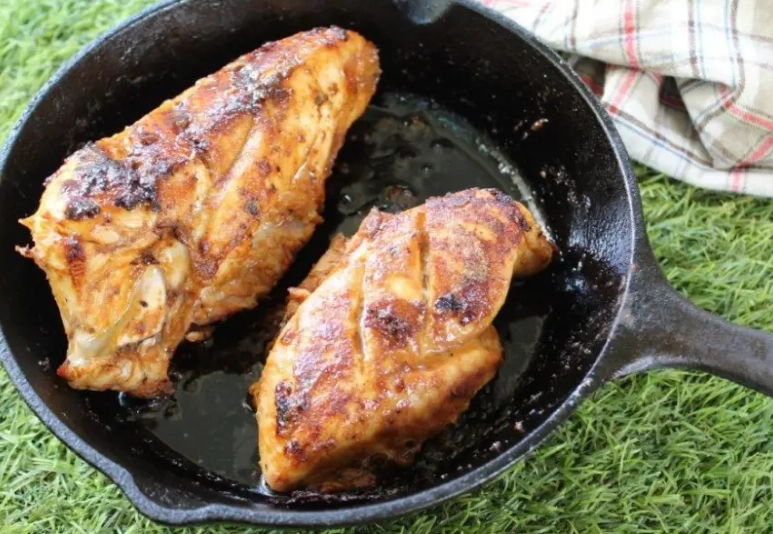
Step-by-Step Stovetop Chicken Breast Mastery
Follow these steps closely. I've timed this to work with a standard 6-ounce breast, about 1 inch thick.
Preparing the Chicken Breast
Take the chicken out of the fridge 15 minutes before cooking. Cold meat hits a hot pan and seizes up, cooking unevenly.
Pat it dry with paper towels. Moisture is the enemy of a good sear—it steams instead of browns. I've seen people skip this and wonder why their chicken looks pale.
Season generously. Not just a sprinkle. Coat both sides with kosher salt (about ¾ teaspoon per breast) and pepper. If you have time, brine it: dissolve 1 tablespoon salt in 1 cup water, submerge chicken for 30 minutes, then pat dry. This step alone prevents dryness.
Heating the Pan Correctly
Place your skillet over medium-high heat. Let it heat for 2-3 minutes until hot. Add 1-2 tablespoons oil—it should shimmer but not smoke. If it smokes, the pan's too hot; wipe it out and start over.
A common mistake: adding chicken to a cold pan. It stews instead of sears.
Cooking Time and Temperature
Lay the chicken in the pan. Don't crowd it; leave space between pieces. Crowding drops the pan temperature and causes steaming.
Cook for 6-8 minutes on the first side, undisturbed. Resist the urge to poke or flip early. You'll see the edges turn opaque and a golden crust form.
Flip with tongs. Cook for another 6-8 minutes on the second side. Thicker cuts? Add 2-3 minutes per side.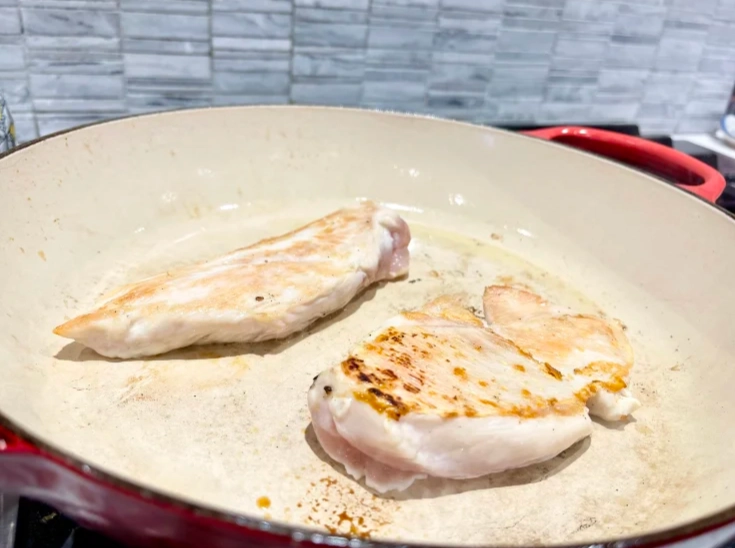
Use a meat thermometer inserted into the thickest part. Aim for 160°F (71°C). Remove from heat—the temperature will rise to 165°F (74°C) as it rests. The USDA recommends 165°F for safety, but pulling at 160°F prevents overcooking.
Let it rest on a plate for 5 minutes. This allows juices to redistribute. Cutting too soon releases all that moisture, leaving you with dry meat.
| Chicken Breast Thickness | Cooking Time per Side | Internal Temp Target |
|---|---|---|
| ½ inch (1.3 cm) | 4-5 minutes | 160°F (71°C) |
| 1 inch (2.5 cm) | 6-8 minutes | 160°F (71°C) |
| 1.5 inches (3.8 cm) | 10-12 minutes | 160°F (71°C) |
Times are approximate. Always use a thermometer.
Common Mistakes (And How to Dodge Them)
I've made all these errors. Learn from my fails.
Overcooking: The number one issue. Chicken breast is lean; it goes from juicy to sawdust in minutes. Trust the thermometer, not the clock. Once, I cooked chicken for 10 minutes per side because a recipe said so—it was like eating cardboard.
Underseasoning: Salt isn't just for taste; it helps retain moisture. Season both sides well before cooking. Don't be shy.
Flipping too often: Let the sear develop. Flip once, maybe twice if it's thick. Constant flipping prevents browning.
Using the wrong heat: Too high, and the outside burns before the inside cooks. Too low, and it dries out. Medium-high is the sweet spot.
Skipping the rest: Resting is crucial. I used to cut right into it, and juices would pool on the plate. Now I wait, and the chicken stays moist.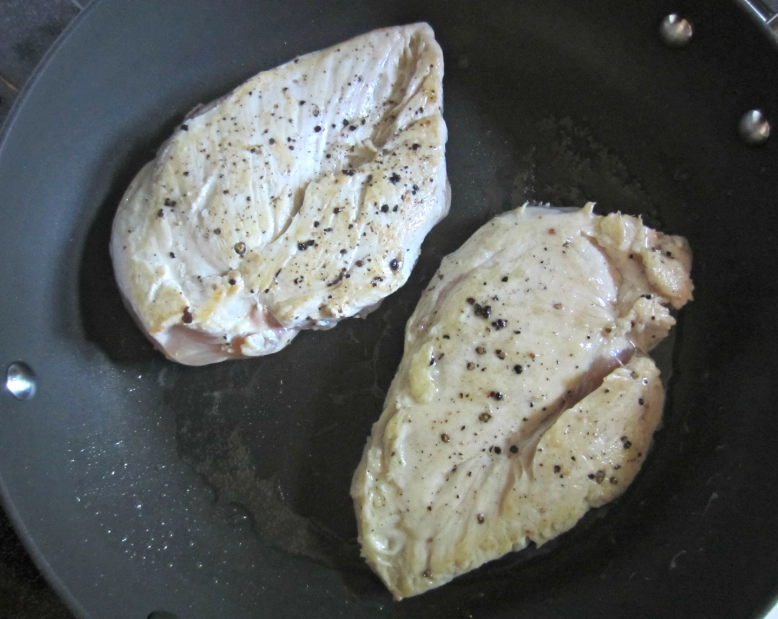
Beyond Basic: Recipe Variations to Try
Once you've nailed the basic method, mix it up. Here are a few ideas I love.
Lemon Herb Chicken: After cooking, add a knob of butter, minced garlic, lemon juice, and fresh thyme to the pan. Swirl for a minute, then pour over the chicken.
Spicy Cajun Style: Rub chicken with Cajun seasoning before cooking. Serve with a dollop of sour cream.
Creamy Mushroom Sauce: Remove chicken, sauté sliced mushrooms in the same pan, add heavy cream and Parmesan, simmer until thick.
These variations take under 5 minutes extra. They turn a simple protein into a meal that feels special.
For meal prep, cook a batch of chicken breasts, slice them, and store in airtight containers. They'll keep for 4 days in the fridge. Reheat gently in a skillet with a splash of water to prevent drying.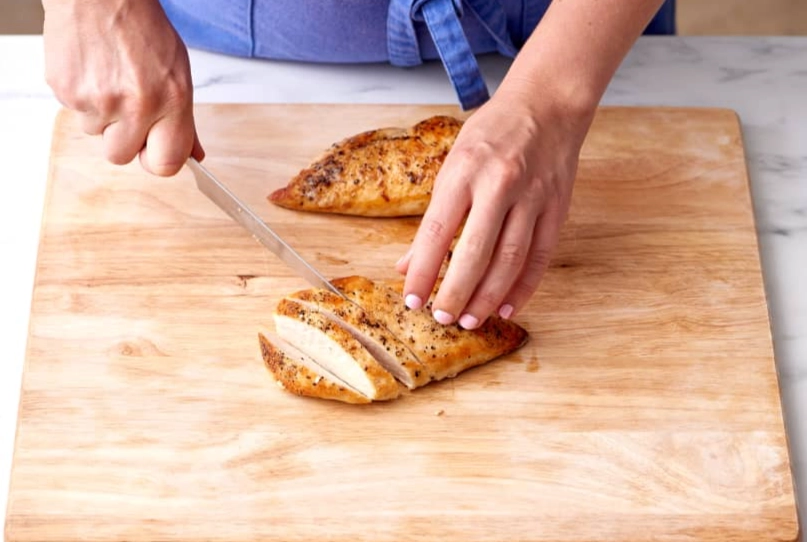
Your Burning Questions Answered
Stovetop chicken breast doesn't have to be boring or dry. With the right technique, it's a quick, healthy staple that adapts to any cuisine. Give these tips a try—your taste buds will thank you.
Reader Comments