Let's be honest. We've all been there. You need shredded chicken for tacos, a quick salad, or soup. You boil a couple of breasts, fork them apart, and end up with a pile of dry, stringy fibers that taste like...well, not much. It's disappointing. The good news? It doesn't have to be that way. Cooking chicken specifically for shredding is a different game than cooking it for a main course. The goal isn't a golden-brown crust; it's maximum moisture, flavor infusion, and a texture that pulls apart effortlessly.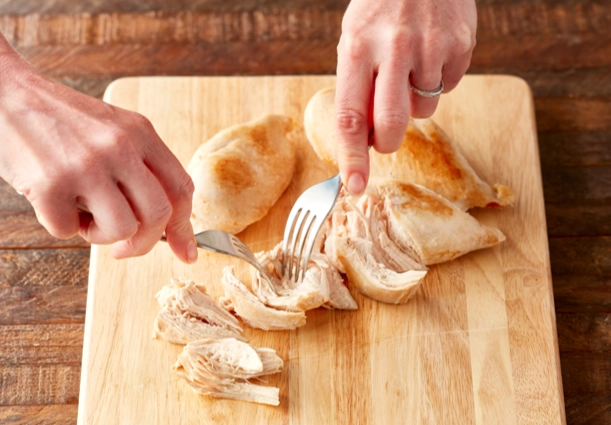
After years of testing (and plenty of failed, dry batches), I've nailed down the methods that work every single time. Forget the vague advice. We're going deep on the how, the why, and the little tricks most recipes gloss over.
What's Inside This Guide
- First Step: Picking the Right Chicken Cut
- The Top 3 Methods for Perfect Shredded Chicken
- The 2 Mistakes That Ruin Shredded Chicken
- How to Shred Chicken in 10 Seconds (The Right Way)
- Flavor Boost: What to Do After Shredding
- Making It for Meal Prep: A Simple Plan
- Your Shredded Chicken Questions, Answered
First Step: Picking the Right Chicken Cut
This is where most people don't think, but it makes a huge difference. Your choice dictates the method and the final outcome.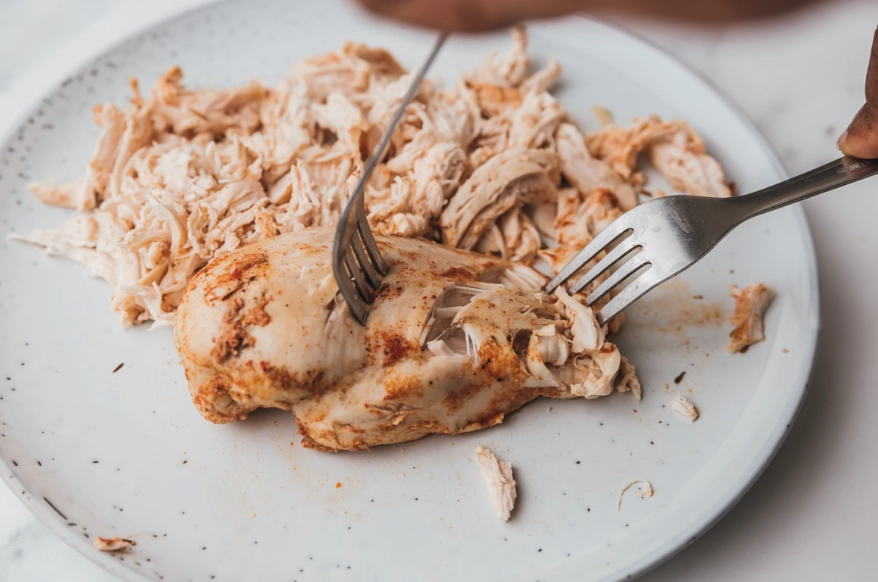
Chicken Breasts (Boneless, Skinless): The lean, popular choice. They shred into long, uniform strands. The catch? They have almost zero fat, so they go from juicy to sawdust in a matter of minutes if overcooked. They demand precision. Best for: Poaching, brining & baking, or pressure cooking when you need lean protein.
Chicken Thighs (Boneless, Skinless): The forgiving, flavor-packed hero. More fat and connective tissue means they stay juicy across a wider range of cooking times. They shred into smaller, more tender pieces. They're practically foolproof. Best for: Slow cooking, braising, or any method where you want hands-off, guaranteed juiciness.
A Mix of Both: My personal favorite for big batches. The thighs baste the breasts in their fat during cooking, giving you the best of both worlds—some lean strands, some richer ones. Try it.
What about bone-in, skin-on? Fantastic for flavor if you're making broth simultaneously (like in a slow cooker), but it adds the step of removing skin and bones after cooking. For pure convenience, boneless wins.
The Top 3 Methods for Perfect Shredded Chicken
Here’s a breakdown of the most reliable techniques. I'm leaving "boiling in plain water" off the list on purpose—it's the number one reason for bland, dry chicken.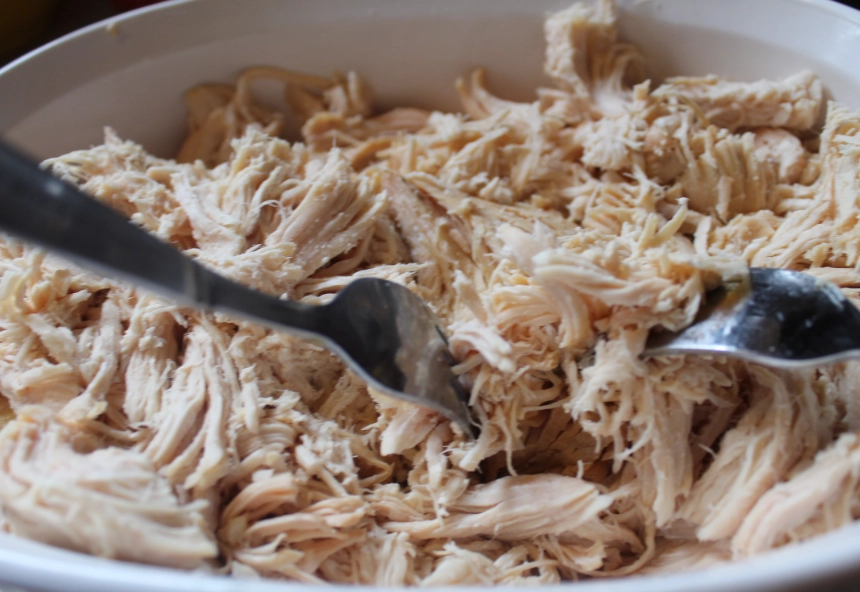
| Method | Best For | Key to Success | My Rating |
|---|---|---|---|
| Slow Cooker | Hands-off cooking, big batches, infusing deep flavor. Chicken thighs shine here. | Use enough liquid (broth, salsa) to come 1/3 up the chicken, not submerge it. Low setting for 3-4 hours. | 9/10 for ease & flavor |
| Brined & Baked | Precise control, juiciest breasts, no special equipment needed. | The brine is non-negotiable. A 2-hour soak in saltwater changes everything. Bake at 425°F (220°C) on a rack. | 10/10 for texture |
| Instant Pot / Pressure Cooker | Speed. From fridge to shredded in under 30 minutes. | Use the "Poultry" setting or manual high pressure for 6-8 mins for breasts, 10-12 for thighs. Natural release for 5 mins. | 8/10 for speed |
Slow Cooker Shredded Chicken (The Set-and-Forget)
Take 2 lbs of chicken (thighs or a mix), place it in the pot. Add 1 cup of chicken broth, a chopped onion, 3 crushed garlic cloves, and a teaspoon each of cumin and smoked paprika. Don't stir. Cover and cook on LOW for 3-4 hours. That's it. The chicken steams in the aromatic vapor, staying incredibly moist. The result is chicken that's seasoned through and falls apart if you look at it funny.
Brined & Baked Chicken Breasts (The Texture Master)
This method cured me of my fear of dry breast meat. Dissolve 1/4 cup of kosher salt and 2 tablespoons of sugar in 4 cups of warm water. Let it cool completely, then submerge 2-3 breasts for 2 hours (in the fridge). Rinse, pat dry, brush with oil, and bake on a wire rack set over a sheet pan at 425°F (220°C) until the internal temperature hits 160°F (71°C)—about 18-22 minutes. Let it rest. The brine seasons the meat to the core and changes the protein structure, so it retains way more moisture during the high-heat bake. The shred is unbelievably juicy.
Instant Pot Shredded Chicken (The Speed Demon)
Place 1.5 lbs of chicken in the pot with 3/4 cup of liquid (water, broth, or even just a 1/2 cup of water with a splash of soy sauce). Add a bay leaf if you have it. Seal, set to HIGH pressure for 8 minutes (for breasts) or 12 minutes (for thighs). Let the pressure release naturally for 5 minutes, then quick release the rest. The steam-pressure environment cooks the chicken fast and keeps it surprisingly moist.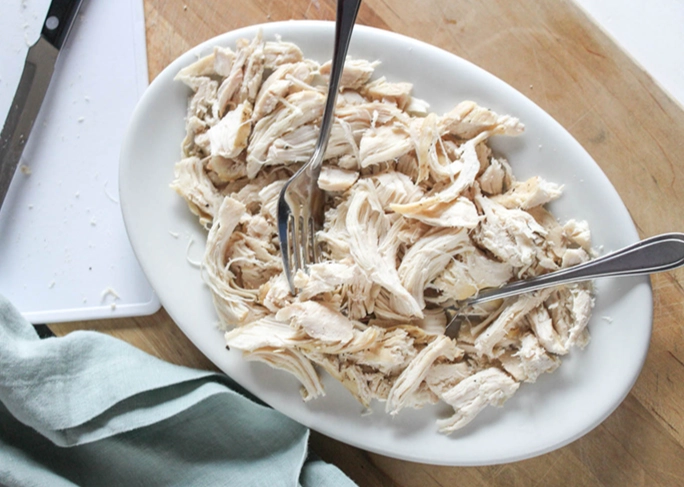
The 2 Mistakes That Ruin Shredded Chicken
I see these everywhere.
1. Overcooking "Until It Falls Apart." This is the biggest myth. Chicken, especially breast, should be cooked *just* to 165°F (74°C). If you leave it in a slow cooker for 8 hours or boil it for 30 minutes "to be sure," you're forcing all the moisture out. The proteins tighten like a fist and squeeze every drop of juice into the pot. Use a thermometer. Trust it. Pull the chicken at 160°F-165°F (71°C-74°C), as carryover cooking will add a few degrees.
2. Using Water as Your Cooking Liquid. Water dilutes flavor. Always use a flavorful liquid. Chicken broth is the baseline. But think bigger: vegetable broth, diluted salsa, coconut milk with curry paste, a mix of water and soy sauce/ginger/garlic for an Asian twist. The chicken absorbs the flavor of what it cooks in.
How to Shred Chicken in 10 Seconds (The Right Way)
Put down the two forks. Seriously. The best tool is a stand mixer with the paddle attachment. Toss your slightly cooled chicken pieces into the bowl and run the mixer on low for 15-30 seconds. Perfect, consistent shreds every time. No carpal tunnel.
No stand mixer? The next best method is using a hand mixer. Same principle, just be careful not to overdo it into chicken paste.
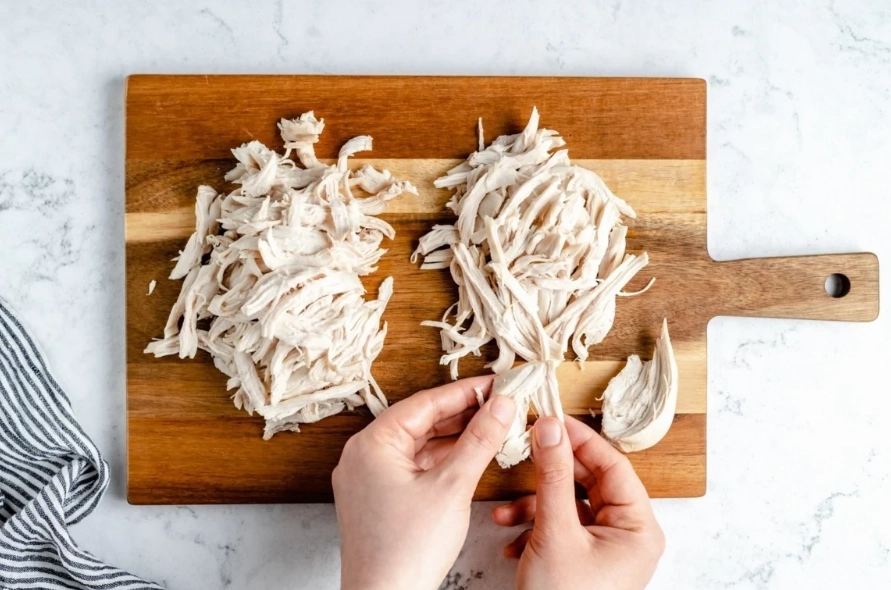
If you must go manual, use your (clean) hands or two forks, but pull the chicken apart along its natural grain for longer, better strands.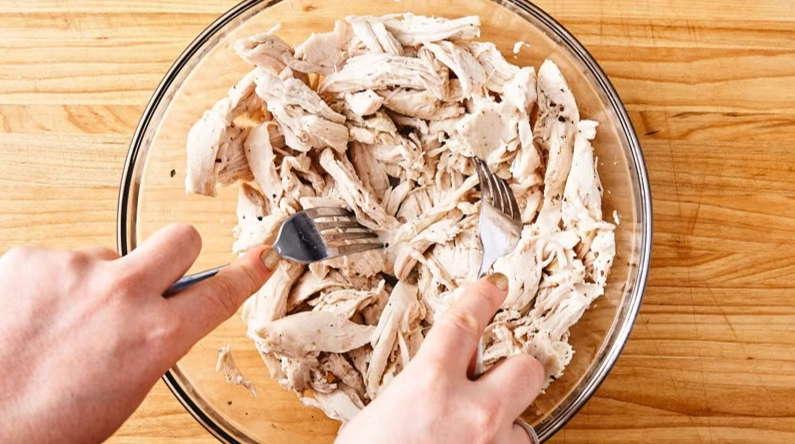
Flavor Boost: What to Do After Shredding
This is the secret step most people miss. Even perfectly cooked shredded chicken can taste a bit one-dimensional on its own. After shredding, always mix it with a bit of the cooking liquid. That liquid is now supercharged with chicken flavor and seasoning. Start with a few tablespoons and mix it in. It re-moisturizes the strands and makes the flavor pop.
Want to level up? Create a quick post-shred sauce. For Mexican chicken, mix in a bit of lime juice, chopped cilantro, and the cooking broth. For BBQ chicken, toss with your favorite sauce. For chicken salad, use mayo thinned with a spoonful of broth for extra flavor and creaminess.
Making It for Meal Prep: A Simple Plan
Shredded chicken is a meal prep superstar. Here's my Sunday routine:
I take 3 lbs of chicken (usually a mix of breasts and thighs), throw it in the slow cooker with a jar of green salsa and a chopped onion. Low for 4 hours. Shred with the mixer, mix back with the juices, and let it cool completely. I then divide it into four containers.
- Container 1: For Monday's tacos. I'll add extra cumin and chili powder when reheating.
- Container 2: For Tuesday's salad. Kept plain.
- Container 3: For Wednesday's soup. Frozen directly.
- Container 4: For Thursday's sandwiches. Mixed with a little BBQ sauce.
Having that neutral, juicy base ready means dinner is 5 minutes away all week.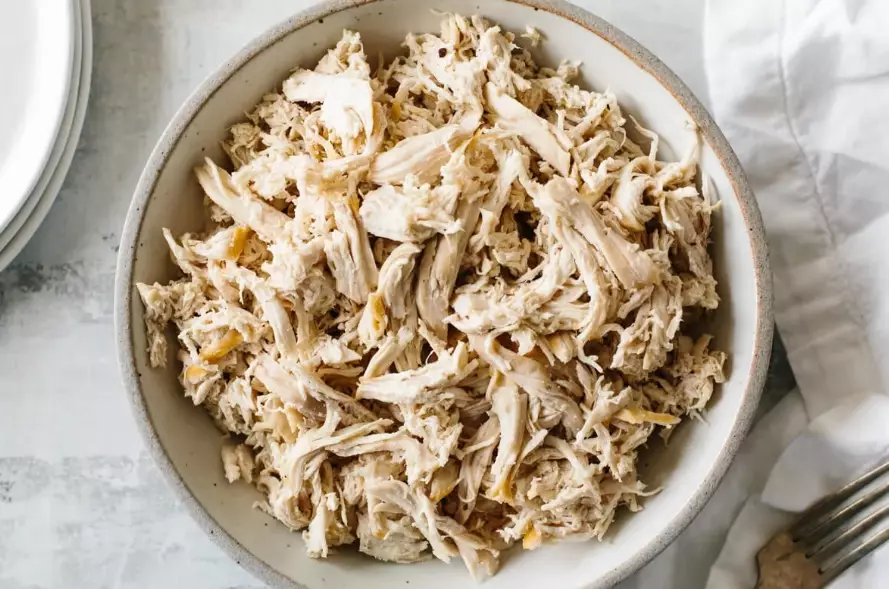
Your Shredded Chicken Questions, Answered
 The bottom line? Stop treating shredded chicken as an afterthought. Give it the same care you would a roasted bird. Pick your method based on your time and tools, avoid the classic pitfalls, and never skip that final toss with the flavorful juices. You'll never look at a taco, salad, or soup recipe the same way again.
Reader Comments