Let's be honest. For years, my relationship with chicken breast was... strained. I'd follow a recipe, watch the clock, and still end up with a dry, chewy slab that felt like a punishment. The stove seemed like the enemy. Then I spent a summer working a line in a busy bistro, and I saw how they did it. It wasn't magic. It was a simple, almost boring routine that produced perfect, juicy chicken breast on the stove, order after order. No fancy gadgets, just heat, patience, and one non-negotiable tool.
In This Article You'll Discover
Why Stovetop Chicken Breast Goes Wrong (And It's Not Your Fault)
Most recipes fail you because they focus on time, not temperature. They'll say "cook for 6 minutes per side." But what if your breast is twice as thick? What if your stove runs hot? Chicken breast is lean. It has very little fat to keep it moist. The proteins tighten as they cook, squeezing out moisture. Hit 165°F internally, and they're done. Push past 170°F, and they start wringing themselves out like a sponge.
The other culprit? Uneven cooking. A typical chicken breast is fat on one end, thin on the other. The thin part hits 165°F and starts drying out while the thick part is still raw. That's why you get that gradient from sawdust to sushi in one piece.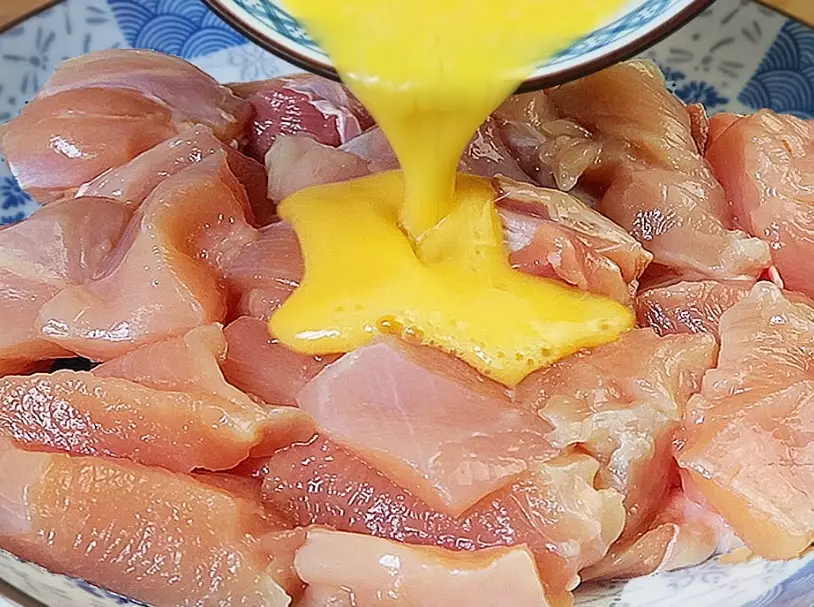
How to Cook Chicken Breast on the Stove: The No-Sweat Guide
This method assumes you have a skillet (stainless steel or cast iron work best), some oil, and a digital instant-read thermometer. If you don't have the thermometer, get one. It's the $15 that will save you $150 in ruined chicken dinners.
Step 1: The Prep Work (This is 80% of the Battle)
Take your chicken breasts out of the fridge 15-20 minutes before cooking. Cold meat in a hot pan causes the outside to overcook before the inside warms up. Pat them bone-dry with paper towels. Moisture is the enemy of browning. Steam is not a sear.
Now, fix the thickness problem. Place the breast on a cutting board, cover it with plastic wrap, and gently pound the thick end with a rolling pin, skillet, or meat mallet until it's a relatively even ¾-inch thick. You're not making schnitzel, just creating uniformity. Season generously with salt and pepper. Do this now so the salt has time to penetrate.
Step 2: Heat the Pan Correctly
Place your skillet over medium-high heat. Let it get hot for a good 2-3 minutes. Add a high-smoke point oil—avocado, refined peanut, or a high-heat olive oil blend. You need enough to lightly coat the bottom. Wait for the oil to shimmer. That's your signal.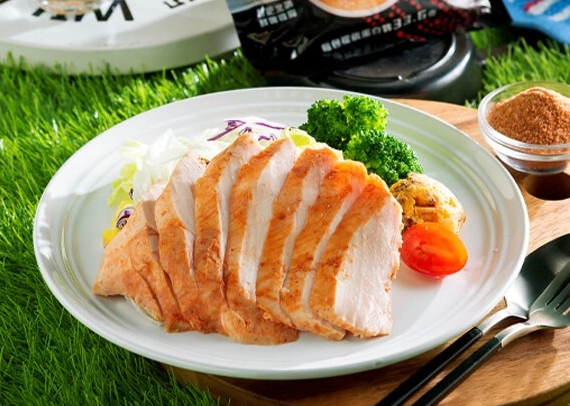
Step 3: The Cook & The Flip
Lay the chicken in the pan, presentation-side down (the smoother side). It should sizzle immediately. Now, here's the hard part: walk away. Set a timer for 2 minutes if you must, but don't touch it. After 2 minutes, peek. You're looking for a golden-brown crust. If it's there, great. If not, give it another minute.
Flip it. The second side usually cooks a little faster. Now, reduce the heat to medium. This is critical. You've built your sear; now you need to gently bring the interior to temperature without torching the outside.
Step 4: The Temperature Check & The Rest
After about 4-5 minutes on the second side, start checking the internal temperature in the thickest part. Pull it off the heat at 155-160°F (68-71°C). I know the USDA says 165°F. But carryover cooking is real. As the chicken rests, the temperature will rise those last 5-10 degrees. This is the single most important trick to juicy chicken.
Transfer the chicken to a plate or cutting board. Tent it loosely with foil. Let it rest for 5-10 minutes. This allows the tense muscle fibers to relax and reabsorb the juices. If you cut it open now, all that moisture will flood onto the plate.
| Thickness | Approx. Sear Time (1st side) | Approx. Finish Time (2nd side) | Target Pull Temp |
|---|---|---|---|
| ½ inch | 2-3 min | 3-4 min | 155°F |
| ¾ inch (ideal) | 3-4 min | 4-6 min | 157°F |
| 1 inch | 4-5 min | 6-8 min | 160°F |
Two Simple Stovetop Chicken Breast Recipes to Master
Once you have the basic technique down, the world opens up. Here are two dead-easy variations that feel special.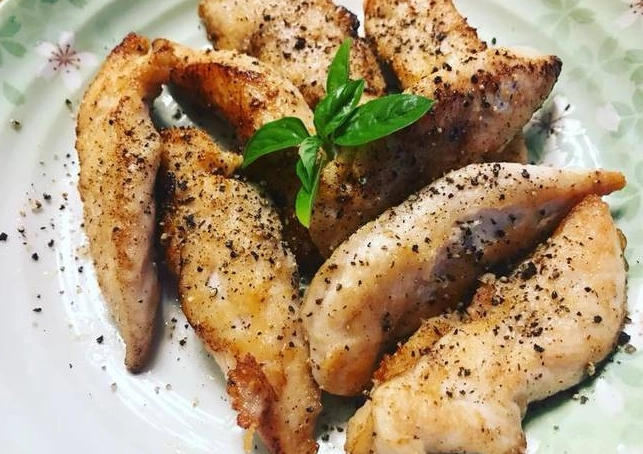
1. Classic Herbed Pan-Fried Chicken Breast
Follow the core method above. In the last 2 minutes of cooking, add 2 tbsp butter, 2 crushed garlic cloves, and 1 tbsp each of fresh chopped parsley and thyme (or 1 tsp dried Italian seasoning) to the pan. Spoon the herby butter over the chicken as it finishes. Rest, then slice and pour the pan juices over the top. Serve with a simple green salad.
2. Creamy Sun-Dried Tomato & Spinach Chicken
Cook the chicken as per the basic method. Remove to rest. In the same pan, add ¼ cup chopped sun-dried tomatoes (oil-packed, drained) and 2 cups fresh spinach. Sauté for 1 minute until spinach wilts. Pour in ½ cup chicken broth and ½ cup heavy cream. Simmer for 3-4 minutes until slightly thickened. Stir in ¼ cup grated Parmesan. Slide the chicken back in, spoon sauce over, and warm through for a minute. Dinner is served.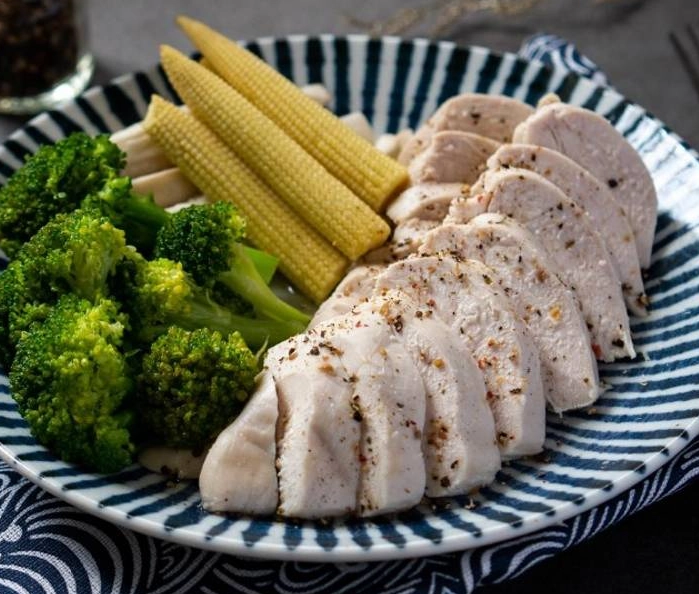
Expert-Level Tips for Stovetop Chicken Breast
You've got the basics. These are the nuances that separate good from great.
The Brine or Dry Brine Shortcut: For guaranteed juiciness, brine your chicken for 30 minutes in 4 cups water mixed with ¼ cup salt. Or, do a dry brine: salt the chicken heavily and leave it uncovered in the fridge for a few hours or overnight. The salt seasons deeply and helps the meat retain water.
How to Tell Doneness Without a Thermometer (The Last Resort): Press the thickest part with your finger. It should feel firm but with a slight give, like the base of your thumb when your hand is relaxed. The juices should run clear, not pink. But really, get the thermometer.
Best Pans for the Job: Cast iron retains heat beautifully for an even sear. Stainless steel is great for developing fond (those browned bits) for making a pan sauce. Non-stick is okay, but you won't get as dark or flavorful a crust.
Meal Prep Power: Cook a batch of 3-4 breasts using this method. Let them cool completely, then slice or shred. They'll stay juicy in the fridge for 4 days, perfect for salads, wraps, and grain bowls. Reheat gently in a sauce or microwave at 50% power.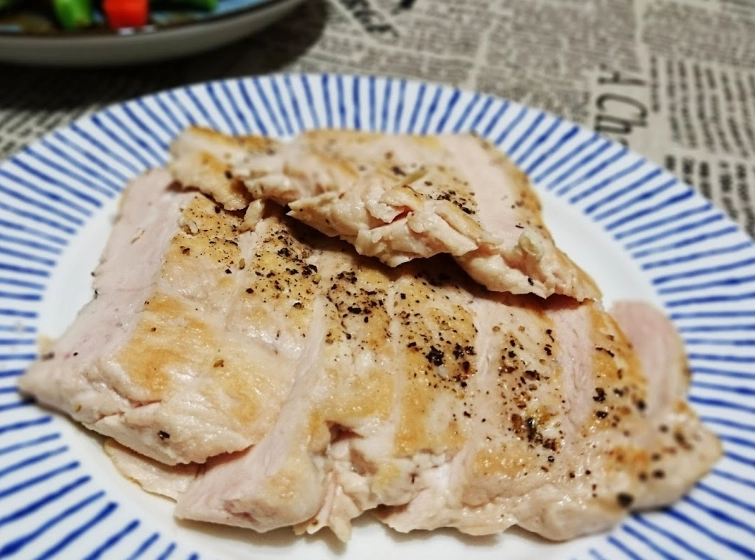
Your Top Chicken Breast on Stove Questions
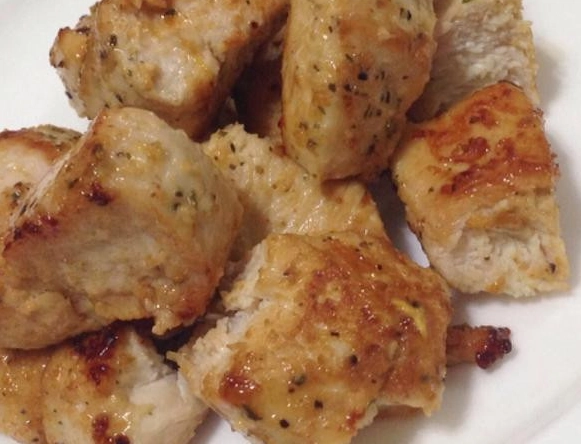
The stove isn't the enemy of chicken breast. It's its best friend when you know the rules. Stop guessing, start measuring (the temperature), and give the process a little respect. That bland, dry protein of your past is gone. What's left is a quick, versatile, and genuinely delicious centerpiece for any meal.
Reader Comments