Let's be honest. Most weekday breakfasts are a compromise. You're caught between wanting something nutritious and the cold reality of the clock. Cereal gets old, toast feels insubstantial, and who has time to sit down for a plate of eggs? That's where the humble breakfast wrap becomes a game-changer. It's a complete, handheld meal you can make in minutes, customize endlessly, and—most importantly—eat with one hand while you're doing something else.
I've been making breakfast wraps for over a decade, first as a desperate college student, then as a busy professional, and now as someone who just appreciates a good, no-fuss meal. I've made every mistake so you don't have to. This guide isn't just a list of recipes. It's the system I use to ensure I always have a delicious, satisfying breakfast ready to go, without the morning chaos.
Your Quick Guide to Wrap Mastery
Why Breakfast Wraps Are a Game-Changer
Think of a breakfast wrap as a more sophisticated, less messy cousin of the breakfast sandwich. The tortilla acts as an edible container, holding everything together in a neat package. The benefits are hard to ignore.
Portability is king. You can wrap it in foil or parchment paper and eat it on the bus, at your desk, or in the car (safely parked, of course). No crumbs, no drips.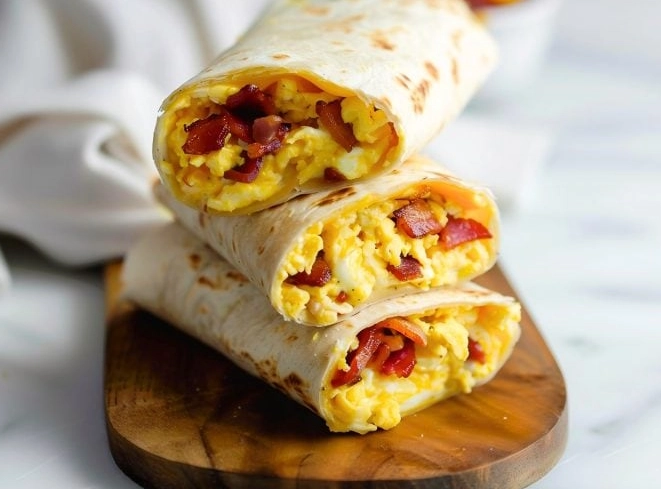
They're inherently balanced. In one handheld package, you can easily combine a complex carb (the tortilla), a quality protein (eggs, beans, sausage), healthy fats (avocado, cheese), and veggies. It's a complete meal.
The customization is endless. Got leftovers from last night's dinner? Some roasted potatoes or grilled chicken can find a new home in your morning wrap. This drastically cuts down on food waste.
Finally, they are a meal prep superstar. You can assemble a week's worth on a Sunday, freeze them, and transform your hectic mornings. We'll get into the exact how-to later.
Master the Basics: The 3 Pillars of a Perfect Wrap
Before we dive into recipes, let's talk technique. A great wrap is more than just throwing ingredients into a tortilla. Ignoring these fundamentals is why most homemade wraps end up soggy, falling apart, or bland.
1. The Foundation: Choosing and Prepping Your Tortilla
Not all tortillas are created equal. The standard large flour tortilla (10-inch) is the most common and forgiving. For a healthier twist, look for whole wheat or spinach versions. If you're watching carbs, there are some decent low-carb tortilla options made with almond or coconut flour, but read the labels—some can be rubbery.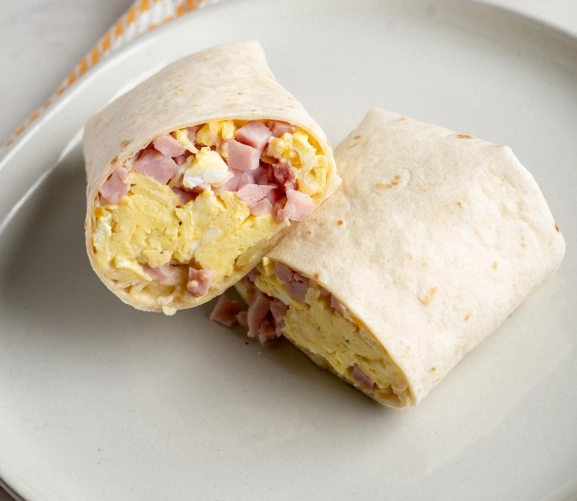
Here's my non-negotiable tip: always warm your tortilla first. A cold tortilla cracks and shatters when you try to roll it. Heat it in a dry skillet over medium heat for 15-20 seconds per side, or microwave it between damp paper towels for 10-15 seconds. It should be pliable and warm to the touch.
2. The Filling: Building Flavor and Texture
This is where you get creative, but structure matters. Think in layers:
- The Protein Anchor: Scrambled eggs, crumbled sausage, black beans, tempeh bacon, or shredded chicken. This is your main event.
- The Veggie Boost: Sautéed spinach, bell peppers, onions, mushrooms, or fresh arugula. Sautéing veggies removes excess water, preventing sogginess.
- The Flavor Enhancer: Cheese (cheddar, feta, pepper jack), avocado slices, or a smear of hummus. These add creaminess and richness.
A common rookie mistake is overfilling. You need about ¾ to 1 cup of total filling for a 10-inch tortilla. Any more, and it becomes impossible to roll.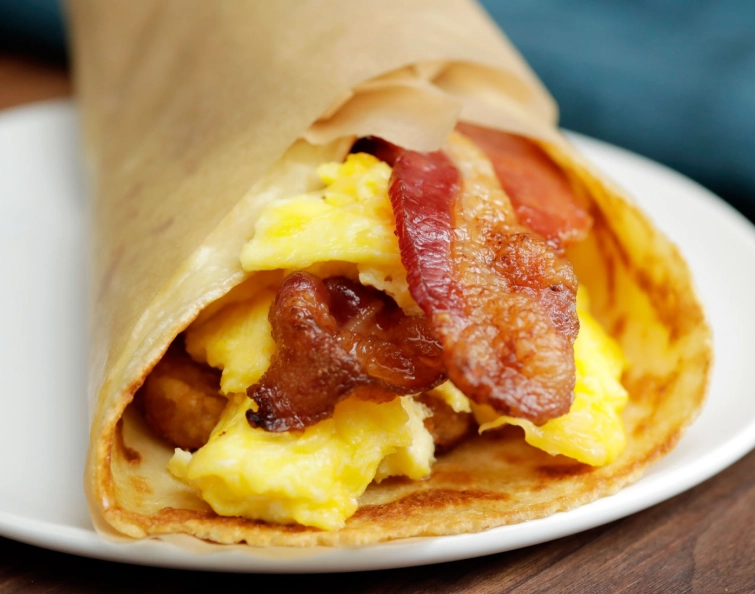
3. The Secret Weapon: Sauce and Seasoning
This is what elevates a wrap from good to "I need this recipe." But moisture is the enemy of a crisp tortilla. Never apply wet sauce directly to the tortilla before assembling. Instead, mix your sauce into the fillings (e.g., stir a little salsa into scrambled eggs), or drizzle it over the fillings just before the final roll. Better yet, pack it on the side in a small container.
My go-to sauces: a chipotle mayo, a simple Greek yogurt mixed with lime and cilantro, or just a good hot sauce. Don't forget to season every layer—salt and pepper on the eggs, a pinch of cumin in the beans.
Three Foolproof Breakfast Wrap Recipes to Try Now
Let's put theory into practice. These three recipes cover classic, vegetarian, and even sweet options. Each is designed to be made in under 15 minutes.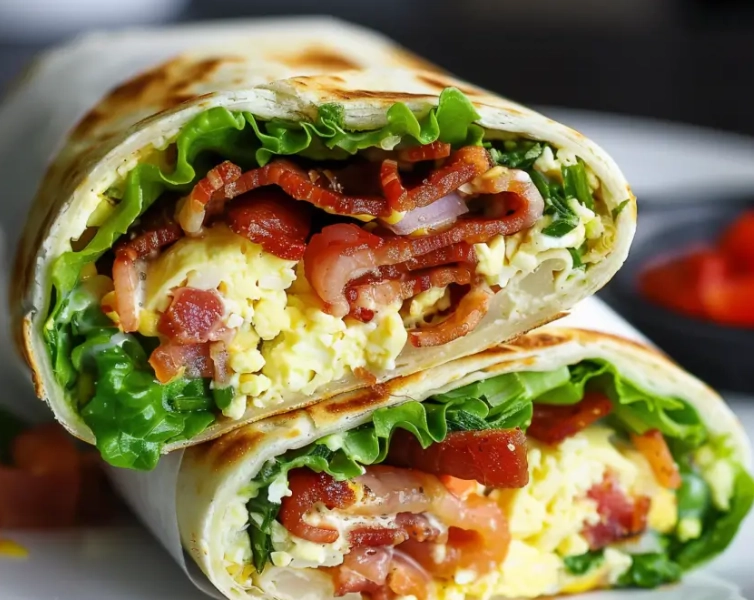
1. The Classic: Sausage, Egg & Pepper Jack
This is the crowd-pleaser, the one that tastes like a breakfast burrito from your favorite diner, but better because you control the ingredients.
You'll need: 1 large flour tortilla, 2 large eggs, 1 cooked sausage patty (crumbled), ¼ cup shredded pepper jack cheese, 2 tbsp diced bell pepper and onion (sautéed), a spoonful of salsa, salt, pepper.
Make it: Warm the tortilla. Scramble the eggs with salt and pepper. Assemble by sprinkling cheese on the tortilla, then adding the warm scrambled eggs, crumbled sausage, and sautéed veggies. Add salsa. Fold in the sides and roll tightly from the bottom up. For extra crunch, toast the assembled wrap in a skillet for 1-2 minutes per side.
2. The Veggie-Packed Powerhouse: Black Bean & Avocado
This one is surprisingly hearty and packed with fiber. It's my go-to when I need sustained energy.
You'll need: 1 whole wheat tortilla, ½ cup canned black beans (rinsed and warmed), ¼ avocado (sliced), 2 tbsp corn kernels, a handful of spinach, 2 tbsp crumbled feta cheese, a squeeze of lime juice, chili powder.
Make it: Warm the tortilla. Mash the warm black beans slightly with a fork and season with chili powder. Spread the beans in the center of the tortilla. Layer on spinach, avocado slices, corn, and feta. Sprinkle with lime juice. Roll tightly. The creaminess of the avocado and beans means you won't miss the eggs.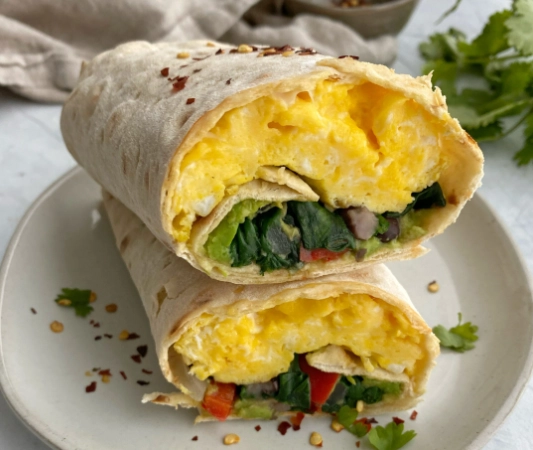
3. The Sweet Treat: Almond Butter, Banana & Chia
Not every breakfast wrap has to be savory. This feels like a decadent dessert but is made with wholesome ingredients.
You'll need: 1 whole wheat or low-carb tortilla, 2 tbsp almond butter (or any nut/seed butter), ½ banana (sliced), 1 tsp chia seeds, a drizzle of honey or maple syrup (optional), a pinch of cinnamon.
Make it: Warm the tortilla. Spread almond butter evenly over the tortilla, leaving a 1-inch border. Arrange banana slices in a row down the center. Sprinkle with chia seeds and cinnamon. Drizzle lightly with honey if desired. Roll tightly. It's simple, satisfying, and mess-free—unlike trying to eat banana toast on the go.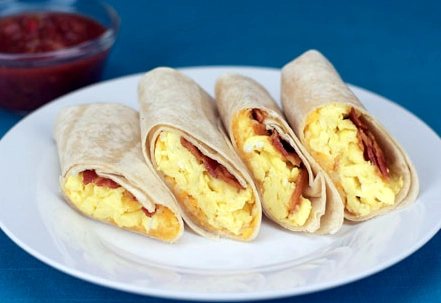
3 Common Breakfast Wrap Mistakes (And How to Fix Them)
I've messed up enough wraps to know the pitfalls. Avoid these, and you're 90% of the way to perfection.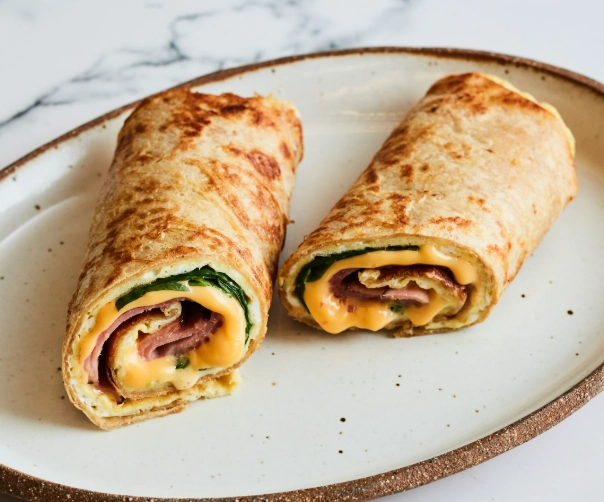
The Fix: Show restraint. Use the ¾ cup filling rule. Distribute fillings in a horizontal line just below the center of the tortilla, not in a pile.
The Fix: Let cooked components cool for a few minutes. Use the "cheese barrier" method mentioned earlier. Keep wet ingredients like tomatoes or salsa in the middle, surrounded by drier items. Or, pack sauce separately.
The Fix: Master the fold-and-roll technique. After placing fillings, fold the left and right sides of the tortilla inward over the ends of the filling. Then, lift the bottom flap up and over the fillings, tucking it in tightly. Roll forward firmly, using your fingers to keep the tucked-in sides secure. The final product should be snug.
Your Make-Ahead Breakfast Wrap Strategy
This is the real magic. Spending 45 minutes on a Sunday can free up your entire week. Here's my battle-tested system.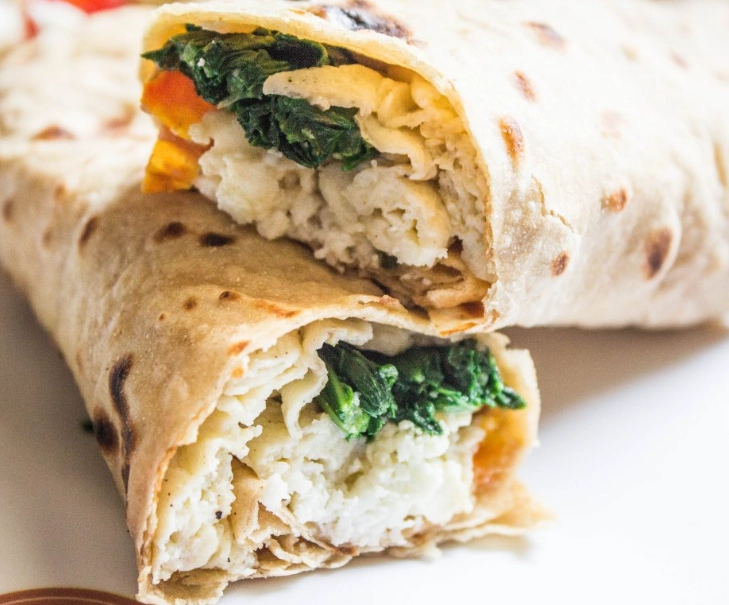
- Cook in Bulk: Scramble a dozen eggs. Brown a pound of sausage or turkey. Sauté a big skillet of peppers, onions, and spinach. Let everything cool completely to room temperature. This is critical.
- Set Up an Assembly Line: Lay out tortillas, your cooled fillings, cheese, and any dry seasonings.
- Assemble & Wrap: Build each wrap using the techniques above. Do not add wet sauces or fresh avocado/lettuce at this stage.
- Wrap for Storage: Wrap each one tightly in parchment paper, then in foil, or place them in a single layer in a freezer bag. The parchment prevents sticking.
- Label and Freeze: Write the contents and date on the bag. Freeze for up to 2 months.
Reheating: From frozen, the best method is an air fryer or toaster oven at 375°F for 10-12 minutes, or a conventional oven at 400°F for 20-25 minutes. The microwave (2-3 minutes on medium power) works in a pinch but will give you a softer tortilla. Add fresh ingredients like salsa or avocado after reheating.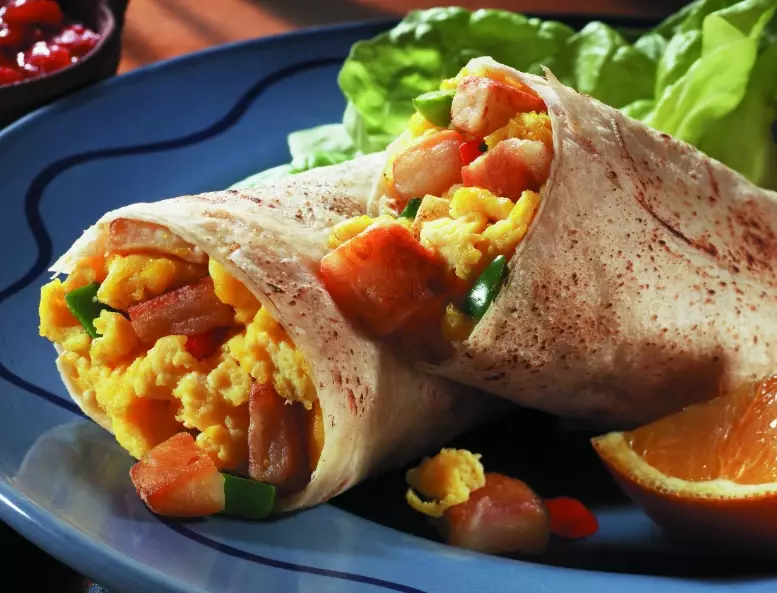
Reader Comments