Quick Guide
- Why Bother with Greek Yogurt? (It's Not What You Think)
- The Nuts and Bolts: Your Greek Yogurt Cheesecake Toolkit
- Step-by-Step: The Foolproof Method (Baked Version)
- What About a No-Bake Greek Yogurt Cheesecake?
- Answers to the Questions You're Actually Searching For (FAQ)
- Final Thoughts: Is It Worth the Hype?
Let's be honest, traditional cheesecake is amazing, but sometimes you want something a little... less guilty. You know the feeling. That's where everyone starts talking about Greek yogurt cheesecake. I thought it was just another food trend, a sad, tart imitation of the real thing. I was wrong. After a few disastrously dry attempts and one surprisingly fantastic success, I realized this isn't about making a "diet" dessert. It's about making a genuinely better, more interesting cheesecake.
The magic isn't in cutting calories (though that happens). It's in the texture. Greek yogurt, with its thick, strained consistency, does something cream cheese alone sometimes struggles with—it creates an unbelievably smooth, almost silky custard that's rich without being heavy. My first successful bite was a revelation. It was creamy, tangy, and light, yet still satisfyingly decadent. It didn't taste like a compromise.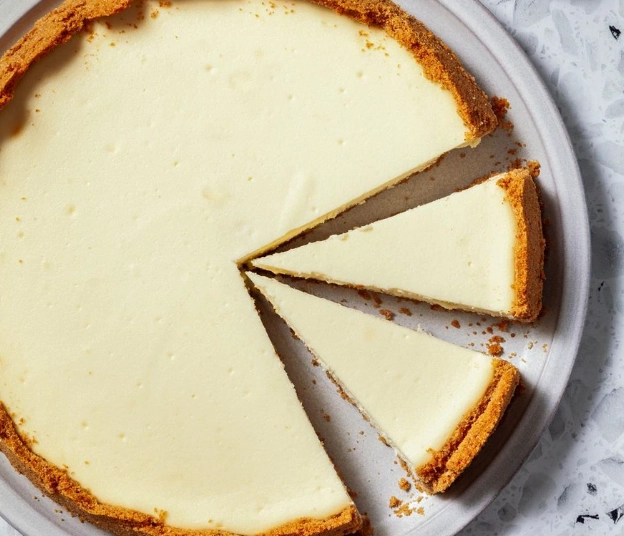
So forget everything you think you know about "healthy" desserts. A proper Greek yogurt cheesecake stands on its own as a fantastic recipe, not just a substitute. Whether you're baking it or going for a no-bake version, the result is something unique.
Why Bother with Greek Yogurt? (It's Not What You Think)
Most articles shout about protein and lower fat. That's true, but it's the least exciting part. Let's talk about what really happens in your mixing bowl.
You Get a Lighter, Yet Creamier Texture
Full-fat Greek yogurt (please, for the love of flavor, use full-fat) has a dense, pudding-like body. When you blend it with cream cheese, it incorporates air more easily. This leads to a batter that bakes up with a finer, more consistent crumb. It's less likely to develop those giant cracks across the top because the structure is more balanced. The tang from the yogurt also cuts through the sweetness, making each bite taste brighter and less cloying. You can actually enjoy a second slice without feeling like you need a nap.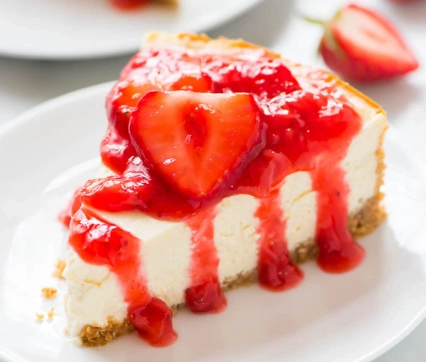
It's Forgiving (A Baker's Secret Weapon)
Here's a personal confession: I am terrible at remembering to bring ingredients to room temperature. With an all-cream-cheese batter, that's a recipe for lumps. Greek yogurt is almost always cold from the fridge, but it blends in smoothly even when other ingredients aren't perfectly tempered. This makes the process less fussy. The added moisture also provides a buffer against overbaking, which is the number one cause of a dry, crumbly cheesecake.
A quick warning: Not all Greek yogurts are created equal. Some national brands add stabilizers and thickeners that can give your cheesecake a slightly gummy or chalky mouthfeel. I've found that plain, full-fat Greek yogurt from brands that keep the ingredient list short (just milk and cultures) works best. The flavor is cleaner.
The Nutrition Angle (The Icing on the Cake)
Okay, fine, we should talk about it. Swapping in Greek yogurt does naturally increase the protein content and often reduces the overall saturated fat compared to a classic New York-style recipe. According to nutritional data from sources like the USDA FoodData Central, Greek yogurt can pack nearly twice the protein of regular yogurt or sour cream per serving. For anyone looking for a dessert that contributes a bit more to their daily nutrition, this is a real benefit. It's a small shift in ingredients that adds up.
But again, I don't make it for the protein. I make it because the texture is superior.
The Nuts and Bolts: Your Greek Yogurt Cheesecake Toolkit
You can't just dump yogurt into any recipe and hope for the best. The ratios and techniques matter. Here’s what you absolutely need to know.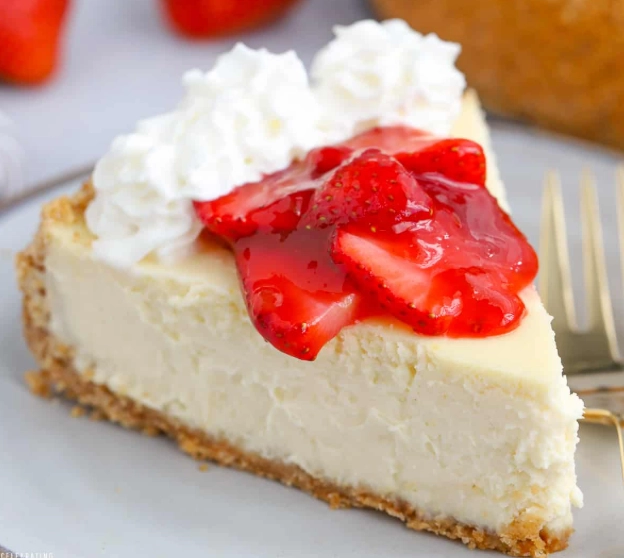
The Non-Negotiable Ingredients
- Full-Fat Greek Yogurt: This is the star. Low-fat or non-fat will make your cheesecake watery and sad. The fat is essential for flavor and structure. Aim for about 2 cups (roughly 500g).
- Cream Cheese: Yes, you still need it. The yogurt complements but doesn't fully replace it. You need the stability and rich flavor of cream cheese as the base. Block-style, full-fat cream cheese works best.
- A Thickener: Greek yogurt adds more moisture. To compensate, you often need a bit more starch. A couple tablespoons of cornstarch or all-purpose flour mixed into the batter works wonders to prevent a soggy center.
- The Flavor Brigade: Vanilla extract, lemon zest, and a pinch of salt are crucial. The lemon zest especially marries beautifully with the yogurt's tang.
Now, about the crust. A classic graham cracker crust is perfect, but don't be afraid to experiment. A crushed ginger snap or digestive biscuit crust adds a wonderful spicy note that pairs amazingly with the tangy filling of a Greek yogurt cheesecake.
| Ingredient | Role in Traditional Cheesecake | Role in Greek Yogurt Cheesecake | Pro Tip |
|---|---|---|---|
| Cream Cheese | Primary base, provides fat, structure, and tang. | Shared base; provides foundational richness and firmness. | Always use brick-style, not spreadable tubs. |
| Sour Cream | Adds moisture, subtle tang, and smoothness. | Often replaced by Greek yogurt. | You can use a 50/50 mix of yogurt and sour cream for ultimate creaminess. |
| Greek Yogurt | Not typically used. | Primary source of tang, protein, and unique creamy-yet-light texture. | Strain it in a cheesecloth for an extra 30 mins to remove even more whey. |
| Eggs | Provide structure and richness as the cake bakes and sets. | Same role, but the extra moisture from yogurt means they bind everything perfectly. | Add one at a time, mixing just until incorporated to avoid too much air. |
| Cornstarch/Flour | Sometimes used as a stabilizer. | More critical. Helps absorb excess moisture from the yogurt for a perfect set. | Whisk it into your sugar before adding to the wet ingredients to prevent lumps. |
Step-by-Step: The Foolproof Method (Baked Version)
This isn't a complicated recipe, but attention to detail makes the difference between good and great. Let's walk through it.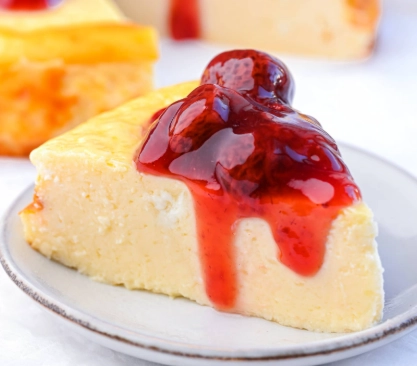
Prep is Everything: Preheat your oven to 325°F (160°C). Wrap the outside of your springform pan tightly with heavy-duty aluminum foil. This is your insurance policy against water seepage in the water bath. Yes, you need a water bath (bain-marie). It's the single best trick for even, gentle cooking and preventing cracks. Don't skip it, especially with the added moisture from yogurt.
Make the Crust: Mix your crushed crumbs with melted butter and a touch of sugar. Press it firmly into the bottom of the pan and a little up the sides. Bake for 10 minutes, then let it cool while you make the filling. This pre-baking step ensures a crisp base that won't get soggy.
The Filling – Patience is Key: Beat the room-temperature cream cheese until it's completely smooth and no lumps remain. This can take a good 3-4 minutes with a stand or hand mixer. Scrape the bowl down repeatedly. Then, add the sugar and beat again. Now, add the Greek yogurt, vanilla, and lemon zest. Beat just until combined.
Here's my personal trick: After adding the yogurt, I switch from the mixer to a flexible spatula for the eggs. Add them one at a time, folding gently by hand. This minimizes extra air being whipped in, which reduces the risk of the cake puffing up and then collapsing and cracking.
Finally, sprinkle your cornstarch or flour over the batter and fold it in until you see no white streaks. Pour the filling over your cooled crust. Smooth the top.
The Bake: Place the foil-wrapped pan into a larger roasting pan. Pour hot water into the roasting pan until it comes about halfway up the side of the springform. Carefully transfer it to the oven. Bake for about 55-70 minutes. The edges should look set, but the center should still have a slight, gentle jiggle—like Jell-O—when you tap the pan. It will firm up as it cools.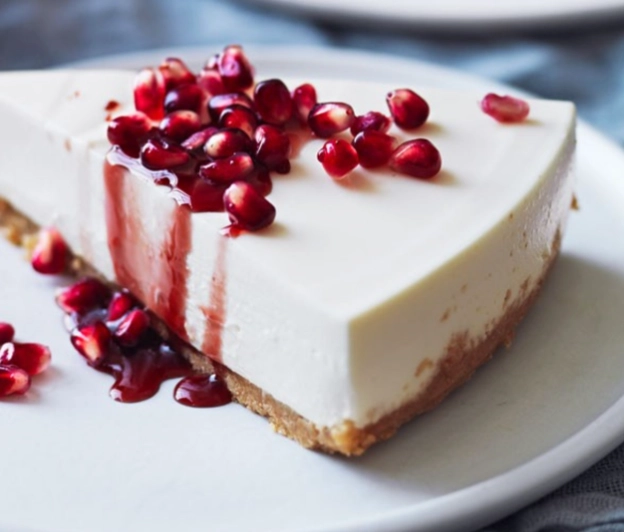
The Crucial Cool Down: Turn the oven off, crack the door open, and let the cheesecake sit inside for an hour. This gradual temperature change is another major crack-preventer. Then, remove it from the oven and water bath, run a knife around the edge to release it from the pan (this prevents pulling and cracking as it contracts), and let it cool completely on the counter before refrigerating for at least 8 hours, preferably overnight.
The wait is hard. But it's non-negotiable.
What About a No-Bake Greek Yogurt Cheesecake?
Absolutely! This is where a Greek yogurt cheesecake truly shines for easy, hot-weather desserts. The method is different, relying on gelatin or another gelling agent to set the creamy filling.
The basic formula involves whipping cream to soft peaks, then folding it into a mixture of softened cream cheese, Greek yogurt, sugar, and flavorings that have been stabilized with dissolved gelatin. The result is incredibly light, mousse-like, and refreshing. It's less dense than the baked version but just as delicious. The key is to make sure your cream cheese is very soft to avoid lumps, and to fold gently to keep that airy texture.
I once made a no-bake lemon Greek yogurt cheesecake for a summer picnic. It was a hit, but I learned the hard way: if it's a really hot day, keep it in the cooler until the last minute. The texture can get a bit soft if it sits in the sun for too long. Still delicious, just messier!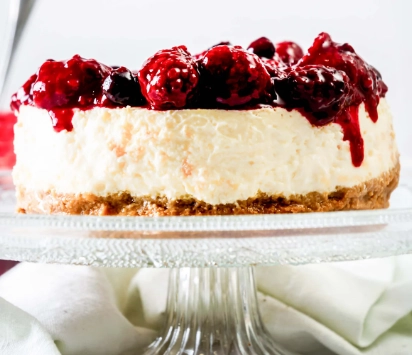
Answers to the Questions You're Actually Searching For (FAQ)
After making dozens of these cakes and reading countless forum threads, here are the real questions people have.
Final Thoughts: Is It Worth the Hype?
If you go into it thinking you'll get an identical clone of a dense, ultra-rich New York cheesecake, you might be disappointed. The Greek yogurt version has its own personality. It's lighter on the palate, brighter in flavor, and has that incredible, consistent creamy texture that's hard to achieve otherwise.
For me, it's become my go-to cheesecake recipe. It feels more modern, it's slightly less fussy, and people are always intrigued when you mention the secret ingredient. It solves the problem of a heavy dessert that sits in your stomach and answers the craving for something indulgent yet not overwhelming.
The best part? It's a fantastic canvas. Swirl in some raspberry puree, top it with a honey-almond crunch, or layer on a tart cherry sauce. The tangy base of the Greek yogurt cheesecake plays well with almost any topping you can imagine. So give it a try. Follow the steps, be patient with the cooling, and see if you don't fall in love with this new take on a classic.
And if your first one cracks? Welcome to the club. Cover it up, slice it, and enjoy it anyway. I promise, it will still disappear fast.
Reader Comments