What's Inside
- Why the Stovetop Method is a Game-Changer
- Getting Started: The Foundation for Success
- The Core Technique: Step-by-Step to Perfection
- Cook Time Reference Chart
- Leveling Up: Pro Tips for Flavor and Juiciness
- Answering Your Stovetop Chicken Breast Questions
- What to Do With Your Perfectly Cooked Chicken
- Avoiding the Pitfalls: Common Mistakes Checklist
- Final Thoughts from My Kitchen
Let's be honest. The idea of cooking chicken breast on the stovetop can be a bit intimidating. We've all been there – you start with a beautiful piece of chicken, full of hope, and end up with something that's dry, tough, and frankly, a bit sad. I've ruined my fair share of chicken breasts over the years, turning them into something that resembled shoe leather more than dinner.
But here's the thing. When you get it right, a perfectly cooked stovetop chicken breast is a thing of beauty. It's juicy, it's flavorful, and it's incredibly versatile. It can be the star of your dinner plate, sliced over a salad, or stuffed into a sandwich. And the best part? You don't need any fancy equipment. Just a good pan, some heat, and a bit of know-how.
So, why does stovetop chicken breast have such a bad reputation for being dry? It usually comes down to two things: overcooking and improper technique. We're going to fix both of those today.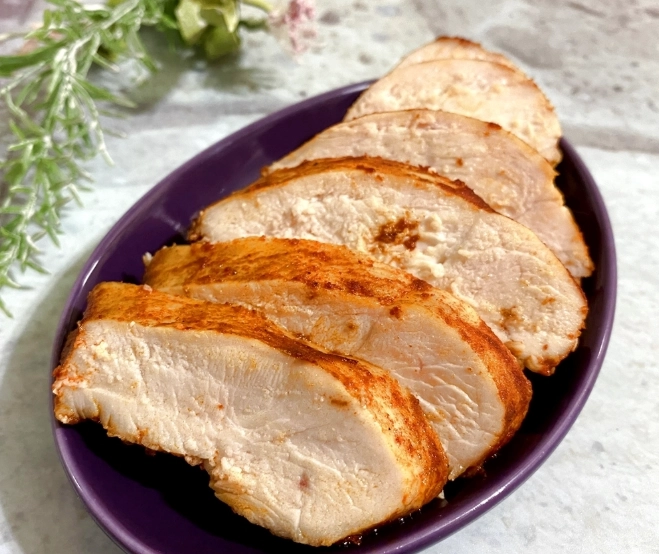
Why the Stovetop Method is a Game-Changer
You might be wondering why you should bother with the stovetop when you could just bake or grill your chicken. Fair question. For me, the stovetop offers control and speed that other methods can't match. You're right there, watching the process, able to adjust the heat on a second's notice. It's a more active way of cooking, sure, but that's also what makes it so rewarding.
The high, direct heat from your burner creates a gorgeous golden-brown crust – what chefs call the Maillard reaction. That's just a fancy way of saying delicious flavor compounds develop when proteins and sugars brown. Baking rarely gives you that same level of browning unless you crank the broiler at the end.
And let's talk about time. A stovetop chicken breast can be cooked through in under 15 minutes, depending on thickness. That's perfect for weeknight dinners when you're tired and hungry.
Getting Started: The Foundation for Success
Before you even turn on the burner, your success is being determined. The preparation stage is where most people slip up, and it's an easy fix.
Choosing Your Chicken Breast
Not all chicken breasts are created equal. Walk into any grocery store, and you'll see a range of options. Here's what I look for:
- Size and Uniformity: Try to find breasts that are similar in size and thickness. A giant, plump breast next to a thin, scrappy one will cook at completely different rates. If you can only find uneven ones, you'll need to pound them to an even thickness – more on that later.
- Appearance: Look for pink, moist-looking meat. Avoid any that look grayish or have a slimy texture.
- To Brine or Not to Brine? Many recipes suggest brining (soaking in saltwater). It can help retain moisture. Personally, for a quick weeknight meal, I find a simple dry brine – just salting the chicken 20-30 minutes before cooking – does the trick without the extra step. It draws out moisture initially, which then gets reabsorbed, seasoning the meat from within.
What about air-chilled versus water-chilled? Air-chilled chicken tends to have less retained water, which can mean better browning. But honestly, if you pat your chicken dry very thoroughly (and I mean very thoroughly) with paper towels, you can get great results with either. The key is removing surface moisture.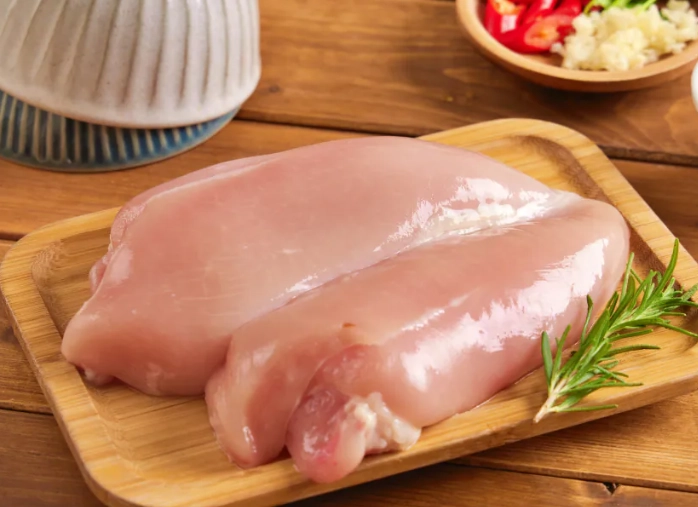
The Essential Tools You Actually Need
You don't need a kitchen full of gadgets. Here's the shortlist:
- A Good Skillet: This is non-negotiable. A heavy-bottomed skillet distributes heat evenly, preventing hot spots that can burn one part of the chicken while another is still raw. Cast iron is my favorite for the incredible sear it gives, but a heavy stainless steel or clad pan works beautifully too. Non-stick can work, but it won't develop as deep of a crust.
- Tongs: Don't use a fork! Puncturing the chicken lets all those precious juices escape. Tongs are gentle and effective.
- Instant-Read Thermometer: This is the single most important tool for guaranteeing juicy chicken every single time. Guessing is for amateurs. We'll rely on science. The USDA recommends cooking chicken to a safe internal temperature of 165°F (74°C). You can find their official food safety guidelines on their website (USDA Safe Temperature Chart).
- Meat Mallet or Heavy Pan: For evening out thickness.
The Core Technique: Step-by-Step to Perfection
Alright, let's get cooking. This is the basic, foolproof method I use 90% of the time. Follow these steps, and you'll nail it.
Step 1: Prep is Everything
Take your chicken breasts out of the fridge about 15-20 minutes before cooking. Cooking them stone-cold from the fridge means the outside will be overcooked by the time the center reaches temperature. Pat them incredibly dry with paper towels. I can't stress this enough. Moisture is the enemy of browning.
Now, check the thickness. Is one end much thicker than the other? If so, place the breast between two pieces of plastic wrap or in a zip-top bag and gently pound the thicker end until the whole breast is an even thickness, usually about ¾ inch. This ensures even cooking.
Season generously with salt and pepper on both sides. Don't be shy. If you have time, let it sit with the salt for 20 minutes.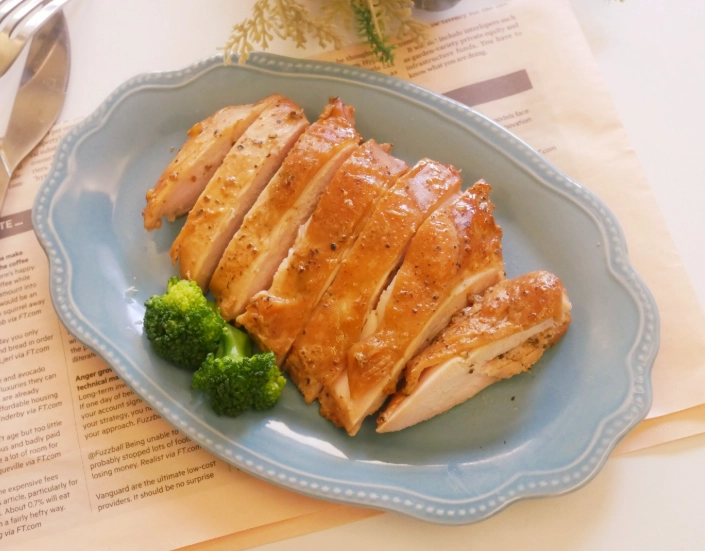
Step 2: Heat the Pan Correctly
Place your dry skillet over medium-high heat. Let it get hot. How do you know it's ready? Flick a few drops of water into the pan. If they sizzle and dance around before evaporating, you're good. For oil, I prefer an oil with a high smoke point for the initial sear – avocado oil, grapeseed oil, or even regular vegetable oil. Olive oil is fine for medium heat, but it can smoke at higher temps.
Add just enough oil to lightly coat the bottom of the pan – about a tablespoon. Swirl it around.
Step 3: The Sear and Cook
Gently lay the chicken breasts in the pan. You should hear a confident sizzle. If you don't, your pan isn't hot enough. Don't crowd the pan! Leave space between them. If you cram them in, they'll steam instead of sear.
Now, here's the hard part for most people: leave it alone. Don't poke it, don't lift it to peek, don't shuffle it around. Let it cook undisturbed for 5-7 minutes. You're looking for a deep golden-brown crust to form.
Use your tongs to flip the chicken. It should release easily from the pan if a proper crust has formed. If it sticks, give it another minute.
Once flipped, you have a choice. For thinner cuts, you can just continue cooking on medium-high until done. For thicker breasts, I often reduce the heat to medium, add a pat of butter and maybe a smashed garlic clove or some thyme to the pan, and baste the chicken with the foaming butter for extra flavor and moisture. It feels very chef-y and makes a huge difference.
Step 4: The Most Important Step – Checking for Doneness
Throw away your guesswork. After flipping and cooking for another 4-6 minutes, start checking the temperature. Insert your instant-read thermometer into the thickest part of the breast, avoiding the bone if there is one.
We're aiming for 160-165°F (71-74°C). Remember, the temperature will continue to rise about 5 degrees after you remove it from the pan (this is called carryover cooking). So if you pull it at 160°F, it'll safely reach 165°F while resting.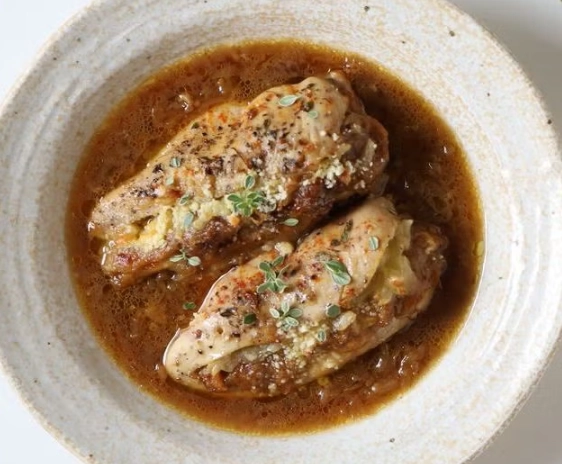
Step 5: Resting is Not Optional
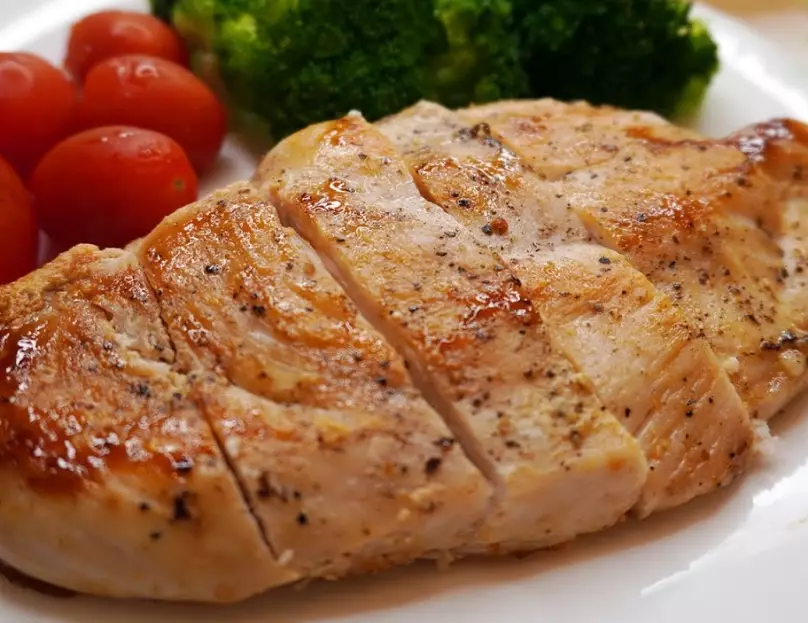
When the chicken hits temp, transfer it to a clean plate or cutting board. Do not cut into it. Let it rest, loosely tented with foil, for at least 5-10 minutes. This allows the muscle fibers, which tightened during cooking, to relax and reabsorb the juices. If you slice it open now, those juices will flood out. Resting makes all the difference between juicy and dry.
After it rests, slice against the grain for the most tender bite.
Cook Time Reference Chart
Times are always approximate because stoves and chicken breasts vary wildly. But this table gives you a solid starting point. Remember, the thermometer is your final judge.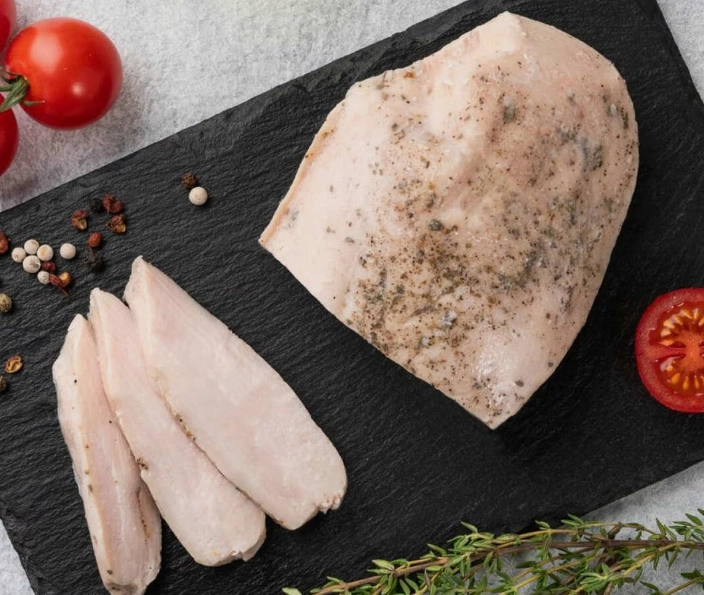
| Chicken Breast Thickness | Approx. Cook Time Per Side (Medium-High Heat) | Key Visual & Tactile Cues |
|---|---|---|
| ½ inch (1.25 cm) | 4-5 minutes | Cooks very quickly. Easy to overcook. Rely heavily on thermometer. |
| ¾ inch (2 cm) – Ideal | 5-7 minutes | Deep golden-brown sear forms. Feels firm but with a slight give when pressed. |
| 1 inch (2.5 cm) | 6-8 minutes | May need heat reduction after flipping. Consider finishing in a warm oven if very thick. |
| Uneven (thick one end) | Variable | Pound it even first! If not, sear, then finish in a 375°F (190°C) oven. |
Leveling Up: Pro Tips for Flavor and Juiciness
Once you've got the basic stovetop chicken breast down, try these tricks to make it even better.
The Butter Basting Technique
I mentioned this briefly. After you flip the chicken, add 2 tablespoons of butter, a couple of garlic cloves, and a spring of rosemary or thyme to the pan. Tilt the pan slightly so the butter pools. Use a spoon to continuously scoop the bubbling, fragrant butter and pour it over the top of the chicken for the last few minutes of cooking. It's a game-changer for flavor.
Marinades and Dry Rubs
A simple stovetop chicken breast is a blank canvas. A 30-minute marinade in yogurt, lemon juice, olive oil, and herbs tenderizes and adds flavor. For a dry rub, mix paprika, garlic powder, onion powder, brown sugar, salt, and pepper. Coat the chicken before cooking. Just be aware that sugar in rubs can burn, so you might need slightly lower heat.
The "Finish in the Oven" Method for Thick Breasts
For chicken breasts that are over an inch thick, sear them beautifully on both sides on the stovetop, then transfer the entire oven-safe skillet to a preheated 375°F (190°C) oven to finish cooking through. This prevents the outside from burning while waiting for the inside to cook.
Answering Your Stovetop Chicken Breast Questions
What to Do With Your Perfectly Cooked Chicken
So you've mastered the art of the juicy stovetop chicken breast. Now what? The possibilities are endless.
For salads, let the chicken cool slightly, then slice or cube it. It's fantastic on a Caesar salad, a Greek salad, or a simple bed of greens. For sandwiches, a whole or halved breast makes a killer chicken sandwich. Add avocado, bacon, lettuce, tomato, and a good mayo on a toasted bun.
You can also shred it for tacos, enchiladas, or soup. Making a batch of stovetop chicken breast at the beginning of the week is one of my favorite meal prep strategies.
Avoiding the Pitfalls: Common Mistakes Checklist
Let's run through a quick list of what not to do. Check these off, and you're golden.
- ❌ Cooking straight from the fridge.
- ❌ Not drying the surface thoroughly.
- ❌ Using a cold pan or not enough heat.
- ❌ Crowding the skillet.
- ❌ Moving the chicken around constantly.
- ❌ No thermometer (guessing doneness).
- ❌ Skipping the rest before slicing.
- ❌ Using a fork to flip or check.
Final Thoughts from My Kitchen
Cooking a great stovetop chicken breast isn't about secret recipes or magic. It's about understanding a few basic principles of heat, moisture, and patience. It took me a while to learn to trust the process – to leave the chicken alone to sear, to invest in a good thermometer, to have the discipline to let it rest.
But now? It's one of my most reliable, go-to skills. It feels fundamental. I hope this guide breaks it down in a way that feels manageable, not overwhelming. Start with the basic method. Get comfortable with it. Then try basting with butter, or making a simple pan sauce.
The beauty of this method is its simplicity and its consistency. Once you get it, you've got it. And that reliable, juicy, flavorful stovetop chicken breast will be there for you on busy nights, for meal prep, or when you just want something satisfying and good.
Give it a shot this week. And remember, even if it's not perfect the first time, it's still chicken. It'll probably still taste pretty good. Just keep that thermometer handy.
Reader Comments