Quick Navigation
- Why You Actually Need Proper Meal Prep Bowls (It's Not Just Hype)
- How to Choose Your Meal Prep Bowls: The 5 Key Factors
- Top Meal Prep Bowl Brands: A Real-World Rundown
- Pro Tips for Using Your Meal Prep Bowls Like a Boss
- Common Questions About Meal Prep Bowls (Answered)
- The Final Verdict: Building Your Perfect Set
Let's be honest. The whole "meal prep" thing sounds fantastic on paper. You save money, you eat healthier, you free up your weeknights. But then you hit a wall. It's not the cooking—it's the containers. You know the scene: a mismatched pile of old takeout tubs, a few questionable plastic boxes with stained lids, and that one glass container that's just too heavy to carry. Your beautifully prepared food deserves better. That's where dedicated meal prep bowls come in, and choosing the right ones can make or break your entire routine.
I've been through it all. I've had sauces leak all over my work bag. I've microwaved plastic that warped into a weird sculpture. I've struggled to pry apart stacked bowls more stubborn than a jar lid. It took me years of trial, error, and wasted money to figure out what actually works. This guide is everything I wish I'd known when I started. We're going deep on materials, features, brands, and the little tricks nobody tells you. Forget the fluff—this is the practical, from-the-trenches advice you need.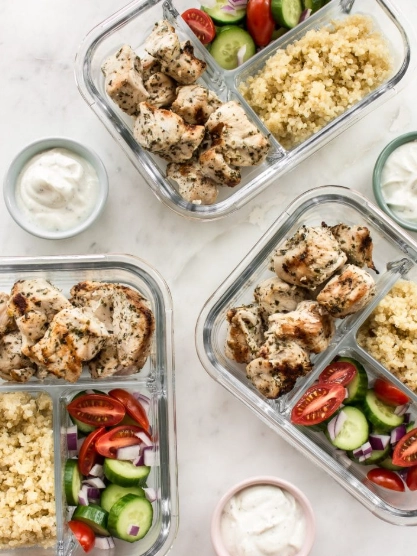
The Core Idea: A good meal prep bowl isn't just a container. It's a tool for portion control, safe storage, easy transport, and hassle-free reheating. The right set becomes the backbone of your healthy eating habits.
Why You Actually Need Proper Meal Prep Bowls (It's Not Just Hype)
You could use anything, right? Sure. But using the right tool for the job changes everything. Think of it like cooking with a dull knife versus a sharp one. The job gets done, but one way is infinitely more pleasant, efficient, and safe.
Proper meal prep containers solve specific problems your old yogurt tubs can't:
- Portion Control: Consistent sizes help you avoid accidentally serving yourself triple the intended pasta. This is crucial if you're tracking macros or calories.
- Leak-Proof Confidence: A secure, silicone-sealed lid means you can toss that curry or saucy stir-fry into your bag without a second thought. Trust me, cleaning tahini dressing out of a laptop sleeve is a special kind of misery.
- Safe Reheating: Not all materials are microwave-safe. Some can leach chemicals when heated, and others (like certain metals) are a straight-up microwave hazard. Good meal prep bowls are designed for the heat.
- Organization & Stackability: Uniform shapes and sizes stack neatly in your fridge and freezer, maximizing space. No more Jenga towers of food containers threatening to avalanche every time you open the door.
- Durability: They withstand the dishwasher, the freezer, and daily use without cracking, staining, or absorbing smells like cheap plastic does.
So, if you're serious about making meal prep a sustainable habit, investing in a good set of containers is your very first step. It's the foundation.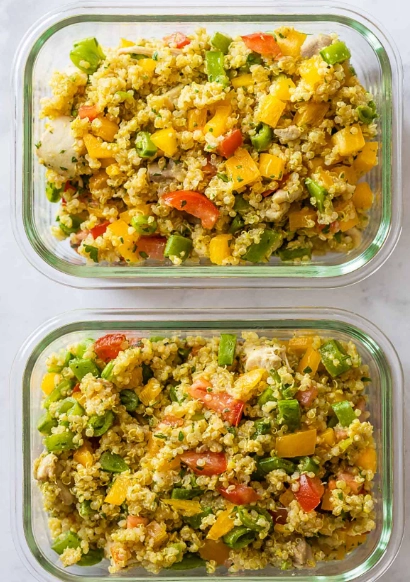
How to Choose Your Meal Prep Bowls: The 5 Key Factors
Walking down the container aisle or browsing online is overwhelming. Glass? Plastic? Bento-style? Let's break down what you need to consider, in plain English.
1. The Material Showdown: Glass vs. Plastic vs. Stainless Steel
This is the big one. Your material choice impacts safety, weight, durability, and how you use the bowls. Here’s a no-nonsense comparison.
| Material | The Good Stuff | The Not-So-Good Stuff | Best For... |
|---|---|---|---|
| Glass (e.g., Borosilicate or Tempered) | Non-toxic, won't stain or absorb odors. Microwave, oven, freezer, and dishwasher safe. Feels premium and is easy to clean thoroughly. | Heavy (not ideal for carrying). Can break if dropped. Usually the most expensive option. | Home use, reheating directly in the oven, people who prioritize chemical-free storage and don't mind the weight. |
| BPA-Free Plastic (PP, Tritan) | Very lightweight and shatterproof. Often more affordable. Great for stacking and carrying. Many are dishwasher-safe (top rack). | Can stain over time (tomato sauce, turmeric). Lower-quality plastics may warp in microwaves/dishwashers. Some people prefer to avoid all plastic for heating. | Anyone on the go, kids' lunches, gym bags, portion-controlled snacks. Great for general, everyday use. |
| Stainless Steel | Incredibly durable and lightweight. Naturally antibacterial and won't leach chemicals. Often comes with airtight lids. | NOT microwave safe. You must transfer food to another dish to reheat. Can be pricey. You can't see the contents. | Cold storage, packed lunches (where you have access to a plate), people who avoid microwaves or plastic entirely. |
My take? I have a hybrid system. I use glass meal prep bowls for things I know I'll reheat at home in the oven, like casseroles or baked pasta. For my work lunches, I almost always reach for high-quality, compartmentalized plastic ones because they're just so much lighter. Stainless steel is my pick for salads and cold snacks I won't be heating.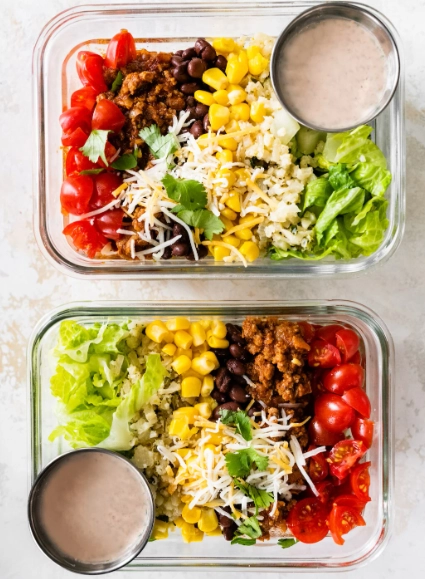
Pro Tip on Plastic Safety: Look for labels like "BPA-Free," "Tritan," or "PP (Polypropylene)." For extra reassurance, check if the brand complies with FDA regulations for food contact. The U.S. Food and Drug Administration (FDA) regulates the safety of materials that come into contact with food, providing guidelines on what's considered safe. When in doubt, transferring food to a ceramic plate for reheating is a foolproof option.
2. Size, Capacity, and Compartments
What are you prepping? A bodybuilder's chicken and rice is different from a desk snack. Think about your typical meals.
- Small (10-20 oz): Perfect for snacks, dips, side salads, yogurt parfaits, or chopped fruit.
- Medium (20-35 oz): The workhorse. Ideal for a standard lunch portion of protein, carb, and veggie. Most versatile size.
- Large (35+ oz): Big salads, hearty grain bowls, or meals for larger appetites.
Now, compartments. This is a game-changer for keeping foods separate. A bento-style meal prep bowl with two or three sections prevents your steamed broccoli from getting soggy from your chili. Some have removable dividers for flexibility. Ask yourself: Do I often make "bowl" meals where things mix anyway (like a burrito bowl), or do I need to keep components crisp and separate (like chicken, quinoa, and avocado)?
Watch Out: Bowls with too many small, fixed compartments can be frustrating to fill and clean. I had a set with four tiny sections—great in theory, but a nightmare to scoop food into. Look for a layout that matches how you actually eat.
3. The Lid: Your Best Friend or Worst Enemy
A bad lid ruins a great container. Period. Here's what makes a lid good:
Silicone Seals: A flexible silicone gasket around the rim is the gold standard for leak-proofing. It creates an airtight, watertight seal. Check if it's removable for easy cleaning—food gets trapped in those seams.
Secure Clips or Latches: Four locking clips are generally more secure than a simple snap-on lid. They apply even pressure around the seal. Test them—they should be easy to lock and unlock without breaking a nail.
Venting: Some lids have a small vent you can open to allow steam to escape during microwaving. This prevents the "lid explosion" when you open it and keeps food from getting soggy. A simple but brilliant feature.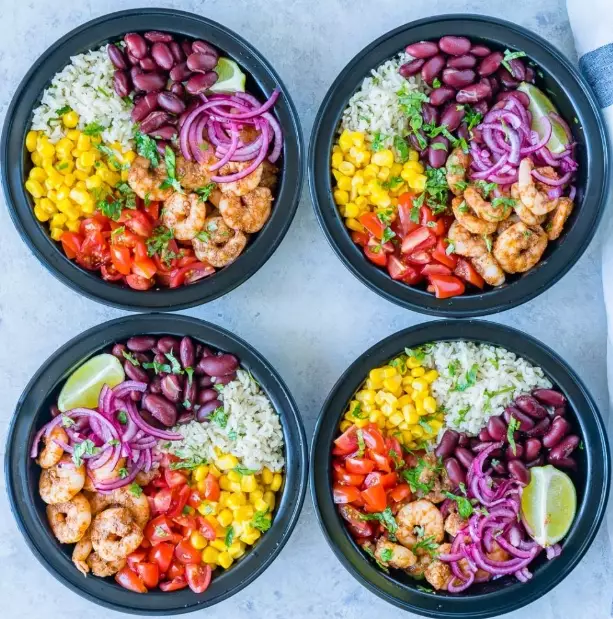
4. Microwave, Freezer, and Dishwasher Safety
This should be clearly stated on the product packaging or description. Don't assume.
- Microwave Safe: Essential for most people. Glass and approved plastics are fine. Remember, stainless steel is a no-go.
- Freezer Safe: If you do freezer meals, you need containers that won't crack at low temperatures. Glass needs to be specifically labeled freezer-safe to handle the thermal shock.
- Dishwasher Safe (Top Rack): A lifesaver for cleanup. Most are, but always confirm. The heat of the dishwasher can warp cheaper plastics over time.
5. Stackability and Shape
Rectangular or square containers use fridge and cabinet space more efficiently than round ones. They stack neatly with almost no wasted air space. If storage is tight, go for square. A set of nesting meal prep bowls that fit snugly inside one another is a major space-saver when they're empty.
Top Meal Prep Bowl Brands: A Real-World Rundown
Not all brands are created equal. Some are worth the hype; others feel cheap. Based on my experience and widespread user reviews, here are the front-runners.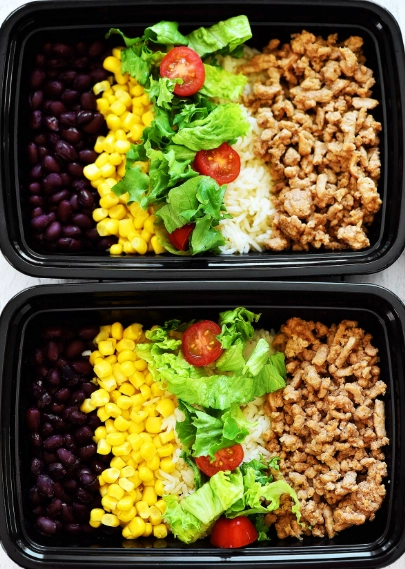
The Glass Champion: Glasslock
These are my go-to for anything I'm reheating at home. The lids have brilliant silicone seals and four locking clips—I've literally shaken them upside down with soup inside, and nothing leaked. They're oven-safe (without the lid, of course), which is perfect for crisping things up. The only downside is the weight. Carrying a full set of five in my lunch bag feels like hauling bricks. But for quality and versatility, they're hard to beat.
The Plastic Powerhouse: Prep Naturals
If you want compartmentalized plastic bowls, this brand consistently gets top marks. Their containers are made from durable, BPA-free Tritan plastic. The compartments are a sensible size, the lids seal incredibly well, and they're remarkably sturdy for being so light. They stack beautifully and don't stain easily. I've had a set for over two years, and they've held up through weekly dishwasher cycles.
The Sustainable Choice: Stasher Bags (Silicon)
While not a traditional "bowl," silicone storage bags are worth a mention for certain prep tasks. They're fantastic for marinating proteins, storing chopped veggies, or holding snacks. They're freezer, microwave, and dishwasher safe, and they last forever. They're pricey upfront but eliminate single-use plastic bags. I use them alongside my regular meal prep bowls for wet ingredients or marinating.
The Budget-Friendly Workhorse: Rubbermaid Brilliance
These are everywhere for a reason. They're made from clear, sturdy plastic that feels more substantial than the old, cloudy Rubbermaid. The lids click on securely and are truly leak-resistant. They're fantastic basic containers at a very reasonable price. They don't have compartments, but for simple, single-compartment storage, they're reliable and durable.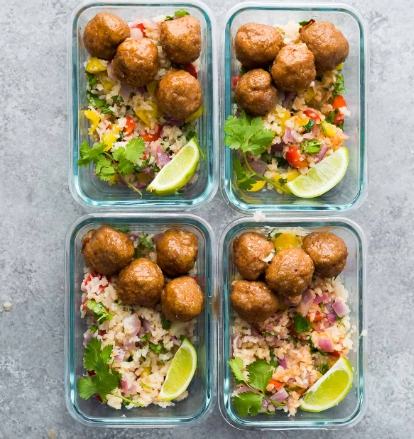
Pro Tips for Using Your Meal Prep Bowls Like a Boss
Buying them is step one. Using them right is step two. Here’s how to get the most out of your investment.
Cool Food Completely Before Sealing. Putting hot food directly into a sealed container and into the fridge creates condensation. This makes everything soggy and can promote bacterial growth. Let your cooked food come to room temperature first (within 2 hours for safety).
Master the Layering Technique for Salads. To keep salads crisp for days, put the dressing at the bottom. Then add hard, non-absorbent veggies like cucumbers, cherry tomatoes, and bell peppers. Next, proteins like chicken or chickpeas. Finally, put your delicate greens or grains at the very top. When you're ready to eat, just shake it up!
Label Everything. Use masking tape and a marker or little reusable labels. Write the contents and the date you made it. "Mystery meat Thursday" is less fun than it sounds. This is crucial for freezer meals.
Don't Overfill. Leave about a half-inch of space at the top, especially for liquids or foods you'll freeze. Liquids expand when frozen and can crack containers or pop lids open.
The Cleaning Hack: For stained plastic bowls (we're looking at you, tomato sauce), make a paste with baking soda and water, rub it on, and let it sit for an hour before washing. For stubborn smells, soak in a mixture of water and white vinegar.
Organize Your Fridge by Day. Dedicate a shelf or bin to each day's meals. Put all your Monday meals together, Tuesday's together, etc. It eliminates the daily rummaging and helps you grab and go.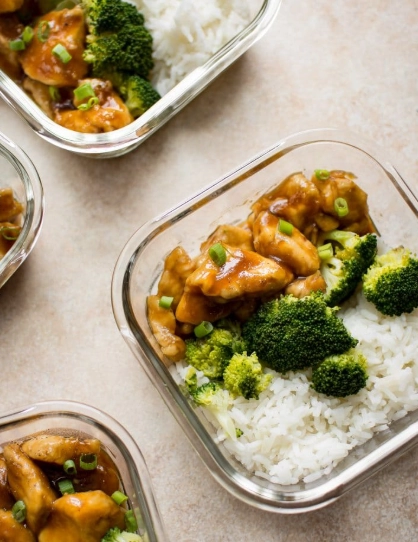
Common Questions About Meal Prep Bowls (Answered)
The Final Verdict: Building Your Perfect Set
So, what should you buy? There's no single perfect answer, but here's my advice for building a starter kit that covers all bases.
Start with a mixed set. Don't buy 20 of the same container. Get a variety pack that includes 2-3 medium-sized meal prep bowls with compartments (plastic, for lunches), 2-3 larger single-compartment bowls (glass, for dinners or bulk items), and a few small snack-sized ones. This gives you flexibility.
Consider your primary use-case. If 90% of your prepped meals go to an office with a microwave, prioritize lightweight, microwave-safe plastic with good compartments. If you mostly prep for eating at home, invest in a nice set of glass containers.
Finally, remember that the goal is to reduce friction. The easier and more pleasant the storage and transport process is, the more likely you are to stick with meal prepping. A good set of containers removes a major point of resistance.
It's not about having the fanciest gear. It's about having reliable, functional tools that work for your life. Take these points, think about your own routine—what you cook, where you eat it, what frustrates you—and choose accordingly. Your future self, enjoying a non-soggy, leak-free lunch at your desk, will thank you.
Reader Comments