In This Guide
- Why Bother Making Your Own Freezer Breakfast Burritos?
- Building Your Ultimate Burrito: The Ingredient Breakdown
- The Step-by-Step Process: From Pan to Freezer
- How to Reheat Your Frozen Breakfast Burritos (The Right Way)
- Your Frozen Breakfast Burrito FAQ (Answering the Real Questions)
- Troubleshooting Common Burrito Disasters
- Final Thoughts: Is This Frozen Breakfast Burrito Recipe Worth It?
Let's be real. Mornings are chaos. The alarm screams, you're hitting snooze for the third time, and the idea of cooking a decent breakfast feels like a cruel joke. For years, I'd either skip breakfast entirely (bad idea) or grab something expensive and not that great from a drive-thru (worse idea). That was before I cracked the code on the perfect frozen breakfast burrito recipe. It's not just a recipe; it's a system. A lifesaver. A couple of hours on a lazy Sunday afternoon can set you up with weeks of actually good, quick, and satisfying breakfasts.
I'm not talking about those sad, freezer-burnt tubes of mystery you find at the store. I mean a burrito you actually look forward to. Fluffy scrambled eggs, crispy potatoes, melty cheese, maybe some sausage or black beans—all wrapped up and ready to go. The beauty of a solid make ahead breakfast burrito strategy is in the customization. Hate peppers? Leave 'em out. Love spicy chorizo? Go for it. You're the boss.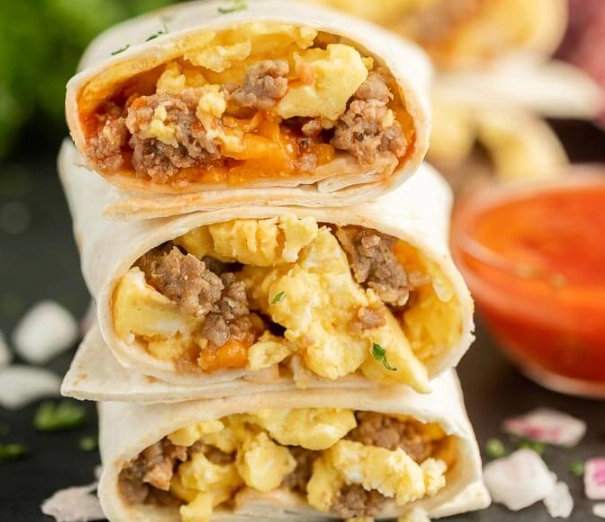
This guide isn't just me throwing a list of ingredients at you. We're going to walk through the whole process—why certain ingredients work better for freezing, the absolute best way to wrap them so they don't turn into a soggy mess, and the science of reheating them so the tortilla isn't leather and the eggs aren't rubber. I've made every mistake so you don't have to. Trust me, I've had burritos explode in the microwave. It's not pretty.
Why Bother Making Your Own Freezer Breakfast Burritos?
You might wonder if it's worth the effort. The store sells them, right? Sure, they do. But have you ever looked at the ingredient list? It's often a novel of preservatives, sodium levels that could preserve a mummy, and a texture that can only be described as "uniformly spongy." When you make your own freezer breakfast burritos, you control everything. The quality of the eggs, the type of cheese, the amount of salt. It's cheaper, too. Way cheaper.
Think about it. A decent store-bought frozen burrito is what, $3? $4? For one. The ingredients for a batch of 10-12 hearty homemade ones might cost $12-$15 total. The math is painfully simple. Beyond cost and health, there's the convenience factor. Having a stash of these in your freezer is like having a personal breakfast short-order cook on permanent standby. Busy morning? Grab a burrito. Unexpected houseguest? Offer them a burrito. Can't think about dinner? Well... maybe have a burrito (no judgment).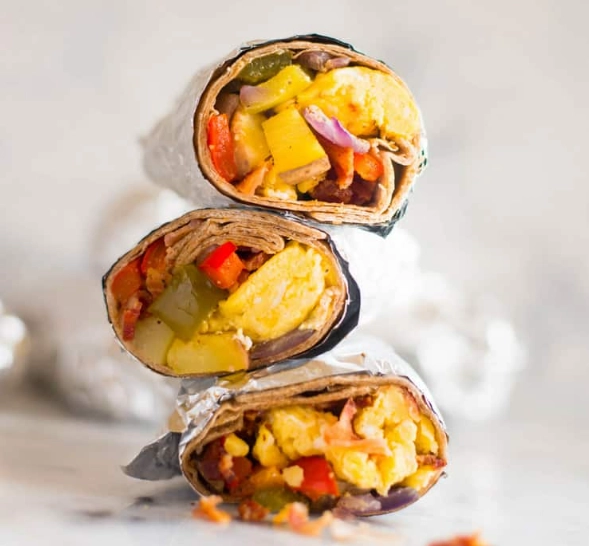
Building Your Ultimate Burrito: The Ingredient Breakdown
This isn't a one-size-fits-all recipe. It's a template. A blueprint for breakfast greatness. Let's break down each component and talk about what works best for the freezer.
The Foundation: Tortillas
This is your burrito's suit of armor. Get it wrong, and everything falls apart—literally. You want large (10-inch) flour tortillas. The "burrito size" ones. Avoid the ultra-thin "street taco" style; they'll tear. I've had good luck with simple store-brand tortillas, but if you can find raw, uncooked tortillas in the refrigerated section, those are a game-changer for flavor and pliability. Just cook them before assembling. Most importantly, warm them up before you start wrapping. 20 seconds in the microwave between two damp paper towels makes them soft and stretchy, preventing cracks.
The Heart: Eggs & Protein
For eggs, scramble them low and slow. High heat makes them tough and watery. Let them cool completely before assembling—this is non-negotiable. Hot eggs = steam = soggy, icy burritos. For protein, cooked and crumbled breakfast sausage (mild or spicy) is a classic. Diced ham, cooked bacon, or shredded chicken work great. For a vegetarian frozen breakfast burrito recipe, rinsed canned black beans or pinto beans are perfect. Just pat them dry with a paper towel to remove excess moisture.
I made a big mistake once by using pre-cooked frozen sausage crumbles straight from the bag. They were fine in taste, but they made the whole burrito taste... well, frozen. The texture was off. Taking the time to brown fresh sausage makes a noticeable difference in the final product. It's one of those steps that feels like a hassle but pays off every single time you reheat one.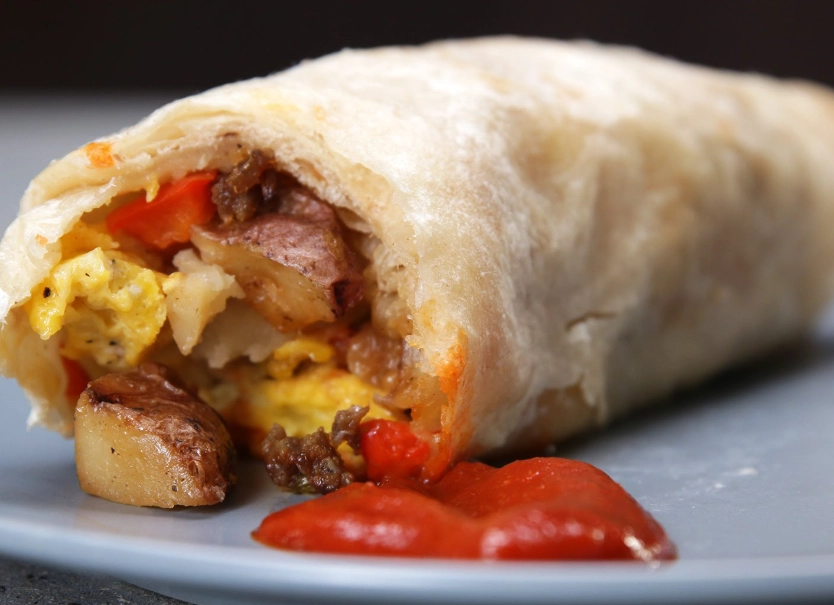
The Texture & Flavor Boosters: Potatoes & Veggies
Diced potatoes (russet or Yukon Gold) are essential for structure and heartiness. Par-cook them! Don't add raw diced potatoes; they won't cook through later. I like to microwave diced potatoes for 3-4 minutes, then give them a quick fry in the sausage drippings (if using) to get them crispy. Onions and bell peppers are fantastic, but sauté them until they're very soft and any released liquid has cooked off. Spinach? Wilt it and squeeze it in a clean kitchen towel to remove every last drop of water. Seriously, squeeze it like it owes you money.
The Glue: Cheese & Sauces
Cheese is more than flavor; it acts as a moisture barrier between wet fillings and the tortilla. Shred it yourself. Pre-shredded cheese contains anti-caking agents (like potato starch) that can make it melt less smoothly. A blend of cheddar and Monterey Jack is my go-to. As for sauces, this is the trickiest part for a make ahead breakfast burrito. Liquidy salsa or hot sauce will create ice pockets. The solution? Use a thick, paste-like salsa or enchilada sauce sparingly, or better yet, serve your salsa on the side after reheating. A smear of refried beans or mashed avocado (with a squeeze of lime to prevent browning) can add creaminess without the sogginess risk.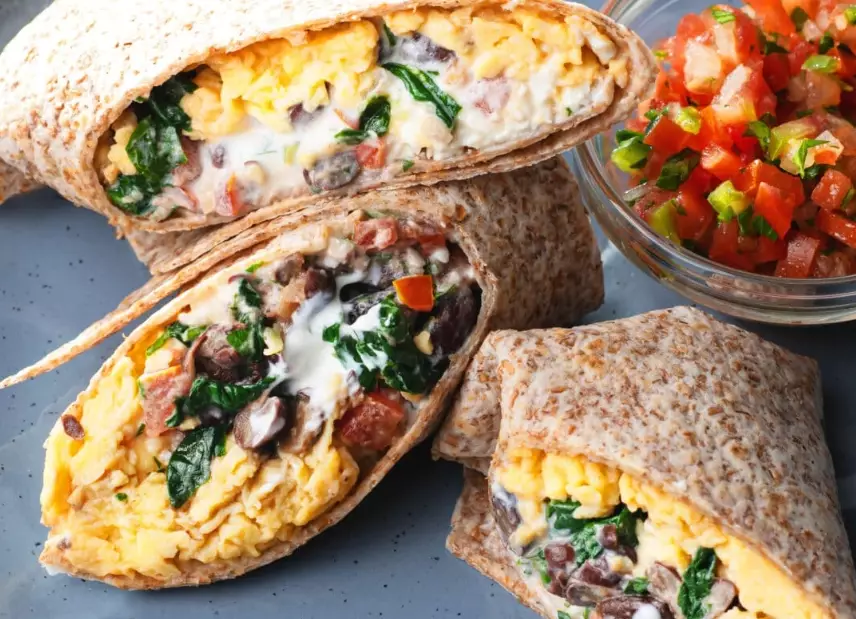
The Step-by-Step Process: From Pan to Freezer
Alright, let's get into the nitty-gritty. Here’s exactly how to execute this frozen breakfast burrito recipe.
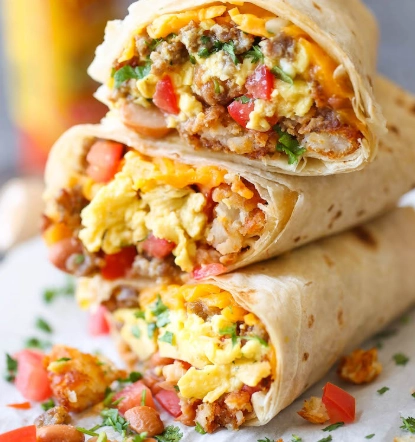
Here’s a quick visual on filling combos that freeze exceptionally well:
| Protein | Potato/Veggie | Cheese | Extra Flavor | Freezer Rating |
|---|---|---|---|---|
| Spicy Chorizo | Diced Russet, Onion | Queso Fresco | Pickled Jalapeños | Excellent |
| Black Beans | Sweet Potato, Kale | Pepper Jack | Smoked Paprika | Excellent |
| Diced Ham | Hash Browns, Bell Pepper | Cheddar | Dijon Mustard (tiny smear) | Very Good |
| Turkey Sausage | Cauliflower Rice, Spinach | Swiss | Dried Herbs | Good (cauliflower can get soft) |
How to Reheat Your Frozen Breakfast Burritos (The Right Way)
This is where most people fail. You can't just nuke it on high for 3 minutes and expect greatness. You'll get a molten lava center with icy edges, and a tortilla tougher than a football. Based on my many, many tests, here are the best methods ranked.
Top Method: Oven/Toaster Oven (For Best Texture)
Preheat to 375°F (190°C). Take the burrito out of the plastic/foil and wrap it loosely in new foil. Place on a baking sheet. Bake for 25-35 minutes if frozen solid, until heated through. For the last 5 minutes, you can open the foil to let the tortilla crisp up a bit. This method gives you the most even heat and revives the textures beautifully. It's the closest you'll get to fresh.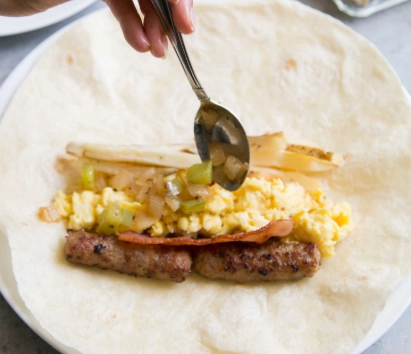
Good Method: Air Fryer (For Speed & Crisp)
Spray the frozen burrito (unwrapped) lightly with oil. Air fry at 370°F (188°C) for 12-16 minutes, flipping halfway. Watch it closely, as air fryers vary. This gives you a super-crispy exterior super fast, but you need to ensure the center is hot. I sometimes microwave it for 90 seconds first, then air fry for 5-6 minutes to crisp.
Emergency Method: Microwave (With a Hack)
If you must microwave, do it right. Unwrap the burrito and place it on a microwave-safe plate. Drape a damp (not dripping) paper towel over it. Microwave on 50% power for 2 minutes. Flip it over, recover, and microwave on 50% power for another 1.5-2.5 minutes, checking for cold spots. The damp towel steams it gently, preventing the rubbery texture. It's never as good as the oven, but it's passable in a pinch.
Never reheat a freezer breakfast burrito in its original foil in the microwave. Sparks. Bad news.
Your Frozen Breakfast Burrito FAQ (Answering the Real Questions)
I've gotten a ton of questions from friends and readers over the years. Here are the big ones.
How long do homemade frozen breakfast burritos last?
For best quality, eat them within 2-3 months. They'll be safe beyond that, but flavors fade and textures degrade. Always label the bag with the date. I use a permanent marker right on the freezer bag. For official food safety guidelines on freezing cooked foods, the USDA's Freezing and Food Safety page is a great resource.
Can I use whole wheat or gluten-free tortillas?
Absolutely. Whole wheat tortillas can be a bit drier and more prone to cracking, so make sure to warm them thoroughly and don't overfill. Many gluten-free tortillas are more delicate; handle with care and consider a double-tortilla wrap for sturdier fillings. It might take a little experimentation to find a brand that holds up.
Why did my burrito get soggy/icy after freezing?
This is almost always due to: 1) Fillings not cooled completely, or 2) Ingredients with high water content (like fresh tomatoes, salsa, or under-cooked veggies). Review the moisture management tips above. It's the single most important skill in mastering any frozen breakfast burrito recipe.
Can I make these for a crowd?
It's the perfect crowd-feeder! I've done this for weekend guests and even a casual morning meeting at work. Just pull out as many as you need and reheat them in the oven all at once. It's infinitely easier than trying to scramble eggs for ten people simultaneously.
Are they healthy?
They can be as healthy as you make them. You control the salt, the fat, the ingredients. Use lean turkey sausage, egg whites, loads of veggies, and low-carb tortillas if that's your goal. Or, go all-in with chorizo and cheese for a hearty treat. The Harvard T.H. Chan School of Public Health has a good overview on eggs and nutrition if you're curious about tailoring the base of your recipe. It's all about balance and what works for you.
Troubleshooting Common Burrito Disasters
Let's face the ugly truth. Sometimes things go wrong. Here's how to fix or prevent them.
The Burrito Burst: You reheated it and there's egg all over the plate. This is usually from overstuffing or a poor initial seal. Next time, roll tighter and use less filling. If it's already frozen, try a lower, slower reheating method (like the oven) to give the heat time to penetrate gently without building explosive steam pressure.
The Soggy Bottom: The tortilla is wet and gross. This is almost always from reheating in microwave without a barrier (the damp paper towel) or from a leaky, high-moisture ingredient inside. Ensure your fillings are dry and use the paper towel trick religiously for microwaving.
The Icy Middle: The outside is hot, the inside is still frozen. This is a reheating power/time issue. Always use medium power in the microwave and flip the burrito. In the oven, give it more time. For a quick fix, slice a frozen burrito in half before reheating—it exposes more surface area and heats through much faster.
Final Thoughts: Is This Frozen Breakfast Burrito Recipe Worth It?
Look, it's an investment of time upfront. A couple of hours on a weekend. You'll have a messy kitchen. But what you get in return is pure weekday magic. Peace of mind. A better breakfast. Money saved. It's one of the most practical and satisfying kitchen projects I do regularly.
The real secret isn't in the specific ingredients of this frozen breakfast burrito recipe. It's in understanding the principles: cool everything, fight moisture, wrap tight, reheat smart. Get those down, and you can create a thousand variations. You're not just making breakfast; you're building a better morning routine. And on those chaotic days, when you're running late and everything feels like too much, reaching into the freezer for a little bundle of self-made convenience feels like a small, delicious victory.
Give it a shot this Sunday. Make a batch. Your future, well-fed self will thank you.
Reader Comments