Your Cheesecake Journey
- So, What Exactly Is a Yogurt Cheesecake?
- Yogurt Cheesecake vs. The Classic New York Style: A Side-by-Side Look
- The Building Blocks: Getting Your Ingredients Right
- Method Matters: Baked vs. No-Bake Yogurt Cheesecake
- Let's Get Practical: Two Can't-Fail Recipes
- Your Top Yogurt Cheesecake Problems, Solved.
- Answering Your Burning Questions (FAQ)
- Taking Your Yogurt Cheesecake to the Next Level
Let's be honest. A classic New York cheesecake is a glorious thing. It's also a commitment. You eat a slice and you feel it for a while. That's where yogurt cheesecake comes in. It's the clever cousin who figured out how to keep all the fun but ditch some of the baggage. I started making it years ago when a friend with a lighter palate came over for dinner, and honestly, it's now my default. It has this tangy brightness that cuts through the richness, and the texture? It can be just as smooth and decadent, I promise.
The real magic isn't just swapping ingredients. It's understanding how yogurt changes the game – the science of the set, the battle against cracks, and unlocking that perfect balance between creamy and refreshing.
I've had my share of kitchen disasters with it, too. A runny center here, a cracked top there. It's part of the journey. This guide is everything I've learned the hard way, so you don't have to.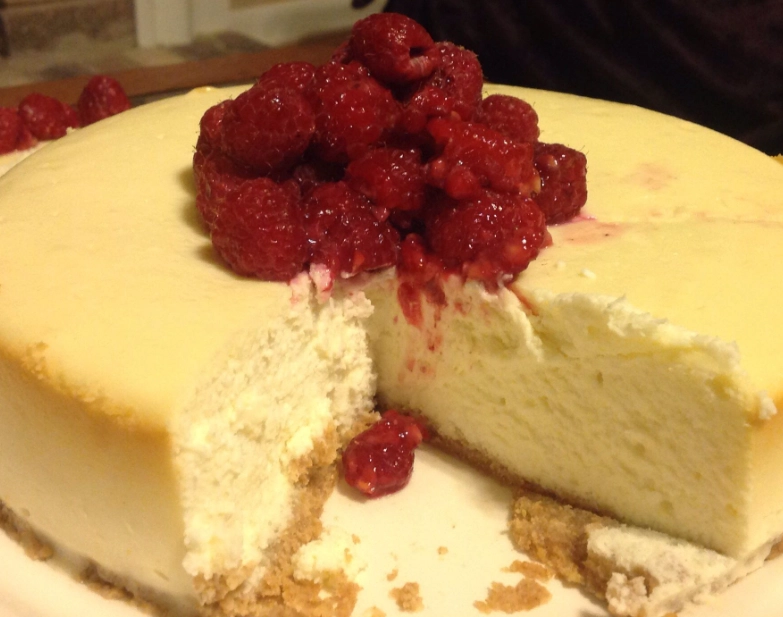
So, What Exactly Is a Yogurt Cheesecake?
At its core, it's a beautiful hybrid. You take the basic framework of a cheesecake – a crust, a creamy filling that sets – and you replace a significant portion of the traditional cream cheese with thick, strained yogurt (often Greek yogurt or yogurt cheese like labneh). Sometimes it's a 50/50 split, sometimes yogurt takes the lead role. This simple swap is what transforms everything.
Why It's More Than Just a "Healthy" Swap
Sure, using yogurt often means less fat and more protein. That's a win if you're counting. But for me, the bigger wins are in flavor and texture. The lactic tang from the yogurt makes the whole dessert taste more complex and less one-note sweet. It's refreshing. And because yogurt has a different moisture and fat content than all cream cheese, the final product is often lighter on the palate. It doesn't coat your mouth in the same way. You can happily enjoy a second slice without feeling like you need a nap.
Think of it this way: a classic cheesecake is a velvet curtain. A yogurt cheesecake is a silk scarf. Both are luxurious, but one is decidedly airier.
Yogurt Cheesecake vs. The Classic New York Style: A Side-by-Side Look
It's helpful to see where they differ. This isn't about one being better, but about which one suits your mood and occasion.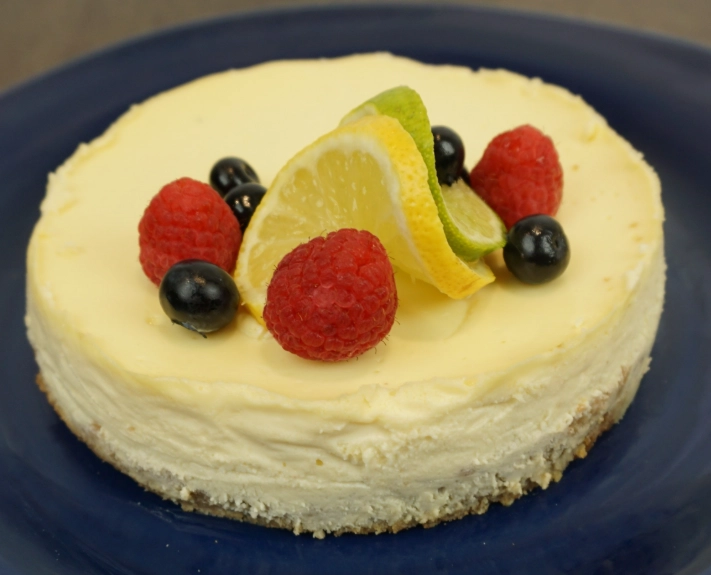
| Aspect | Traditional New York Cheesecake | Yogurt Cheesecake |
|---|---|---|
| Primary Base | Full-fat cream cheese | Mix of cream cheese & thick yogurt (Greek, labneh) |
| Texture | Extremely dense, firm, and ultra-creamy | Lighter, creamier, can range from firm to mousse-like |
| Flavor Profile | Rich, buttery, sweet | Bright, tangy, balanced sweetness |
| Baking | Almost always baked, often in a water bath | Can be baked or no-bake (set with gelatin) |
| Typical Feel After Eating | Very rich and satisfying | Satisfying but less heavy, more refreshing |
See? Different tools for different jobs. A New York style is what I crave for a deep winter celebration. A yogurt cheesecake is my spring and summer star, or the perfect weeknight "I deserve a treat" dessert.
The Building Blocks: Getting Your Ingredients Right
You can't build a great house with shaky bricks. The quality of your ingredients here makes a massive difference, more so than in some other bakes.
The Yogurt: The Star of the Show
This is the most critical choice. Do not, I repeat, do not use regular runny yogurt from a tub. It has too much whey (the liquid part) and will make your filling watery and prevent it from setting.
You need a thick, strained yogurt. Here are your best bets:
- Full-Fat Greek Yogurt: The most accessible champion. It's thick, tangy, and reliable. The full-fat version gives you the best texture and flavor. Low-fat can work but might lead to a slightly less creamy result.
- Labneh (Yogurt Cheese): This is Greek yogurt's even thicker, more concentrated cousin. It's essentially yogurt that has been strained for a very long time until it reaches a spreadable cheese consistency. If you can find it, it's phenomenal in a yogurt cheesecake. The flavor is incredible.
- Skyr: Technically a cultured dairy product, not yogurt, but it works similarly. It's incredibly high in protein and very thick. Note that it's often less tangy than Greek yogurt.
Pro Tip: Even if you buy Greek yogurt, give it an extra strain. Place it in a fine-mesh sieve lined with cheesecloth or a coffee filter over a bowl. Let it sit in the fridge for 1-2 hours. You'll be shocked how much extra liquid drains out, making it even thicker and perfect for your cheesecake.
The Cream Cheese: The Supporting Actor
Use the block-style, full-fat cream cheese. Not the spreadable kind in a tub. Those often have stabilizers and a different moisture content that can throw off your recipe. The brick is predictable and reliable. Let it soften to room temperature completely. This is non-negotiable for a smooth filling without lumps.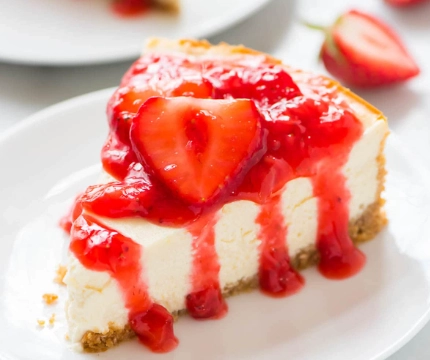
The Crust: More Than an Afterthought
The tangy filling pairs beautifully with a buttery, crunchy contrast. The classic graham cracker crust is always a winner. But don't be afraid to experiment:
- Digestive biscuits: Less sweet, more wholesome flavor.
- Ginger snaps: Adds a warm, spicy kick that complements the tang.
- Shortbread cookies: For an extra buttery, rich base.
- Nuts: Adding a half cup of finely ground almonds or pecans to your crust crumbs adds fantastic flavor and texture.
My Personal Favorite Combo: A crust made from ginger snaps and pecans with a lemon-zested yogurt cheesecake filling. It's a flavor explosion.
Method Matters: Baked vs. No-Bake Yogurt Cheesecake
This is a fundamental fork in the road. Both lead to delicious destinations, but they're different journeys.
The Baked Yogurt Cheesecake
This method gives you a more traditional, set structure. It's firmer and can be beautifully sliced. The baking process deepens the flavors slightly.
The Biggest Fear (and How to Beat It): CRACKS. The enemy of every baked cheesecake is overmixing and too much heat. Here's my foolproof routine:
- Room Temperature Everything: Cream cheese, yogurt, eggs, sour cream – all of it. This allows them to blend smoothly with minimal beating. Overbeating incorporates too much air, which expands and collapses, causing cracks.
- Low and Slow Mixing: Use a paddle attachment on your stand mixer on low speed, or mix by hand. You're combining, not aerating. Stop as soon as it's smooth.
- The Water Bath (Bain-Marie): This is the secret weapon. Wrapping your springform pan in heavy-duty foil and placing it in a larger pan filled with hot water creates a gentle, steamy environment. It regulates the heat and prevents the edges from cooking too fast and pulling away from the center, which is what causes most cracks. The U.S. Food and Drug Administration (FDA) emphasizes safe food handling, and a water bath helps ensure even cooking, which is part of that safety. You can read more about safe dairy handling on the FDA's food safety page.
- Cooling with the Oven Door Ajar: When baking is done, turn the oven off, crack the door open with a wooden spoon, and let the cheesecake cool gradually inside for an hour. Sudden temperature changes are a prime cracking culprit.
The No-Bake Yogurt Cheesecake
Perfect for hot days or when you don't want to turn on the oven. The texture is lighter, more mousse-like, and airier. The setting agent here is usually gelatin.
Gelatin 101: It's not scary. You typically "bloom" powdered gelatin in a cold liquid (like water or lemon juice), then dissolve it over low heat or in a warm liquid from the recipe. This liquid is then gently folded into your creamy mixture. It sets in the fridge.
Why does my no-bake cheesecake sometimes feel rubbery? Usually, too much gelatin. Follow the recipe measurements precisely. Also, ensure you dissolve the gelatin completely—no tiny granules should remain.
The beauty of a no-bake yogurt cheesecake is its versatility. You can fold in whipped cream for extra airiness, swirl in fruit purees, or layer it with fresh berries in a glass for a parfait-style dessert.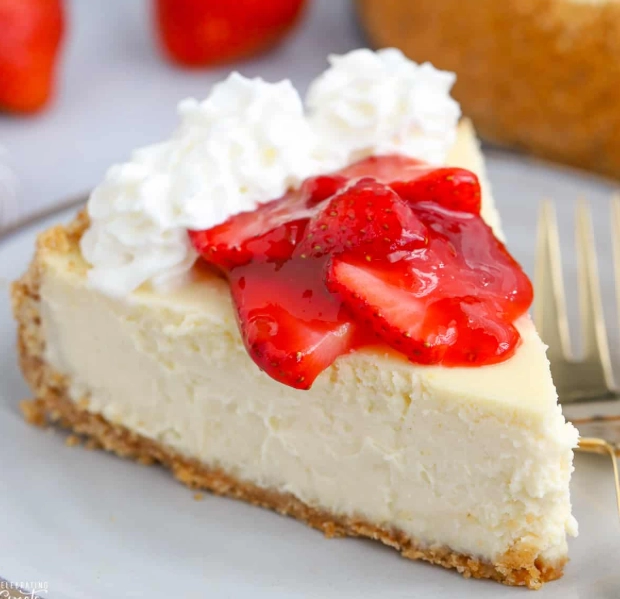
Let's Get Practical: Two Can't-Fail Recipes
Enough theory. Here are two blueprints I use all the time.
Recipe 1: Classic Baked Lemon Yogurt Cheesecake
This is the one that converted me. It's balanced, elegant, and always gets compliments.
For the Crust:
1 ½ cups graham cracker crumbs
⅓ cup granulated sugar
6 Tbsp melted butter
Pinch of salt
For the Filling:
16 oz (2 blocks) full-fat cream cheese, room temp
1 ½ cups full-fat Greek yogurt, room temp
1 cup granulated sugar
3 large eggs, room temp
1 Tbsp all-purpose flour (helps stabilize)
1 tsp pure vanilla extract
Zest of 1 large lemon
¼ cup fresh lemon juice
Pinch of salt
Method: Press crust into a 9-inch springform pan. Bake at 325°F (160°C) for 10 mins, then cool. Beat cream cheese and sugar until just smooth. Beat in yogurt, flour, vanilla, lemon zest, juice, and salt. Beat in eggs one at a time on low speed, just until incorporated. Pour over crust. Wrap pan bottom tightly in foil. Place in a large roasting pan, add hot water until halfway up the springform. Bake for 50-60 mins until edges are set but center still has a slight jiggle. Turn oven off, crack door, cool for 1 hour. Run a knife around the edge, then chill in fridge for at least 6 hours, preferably overnight.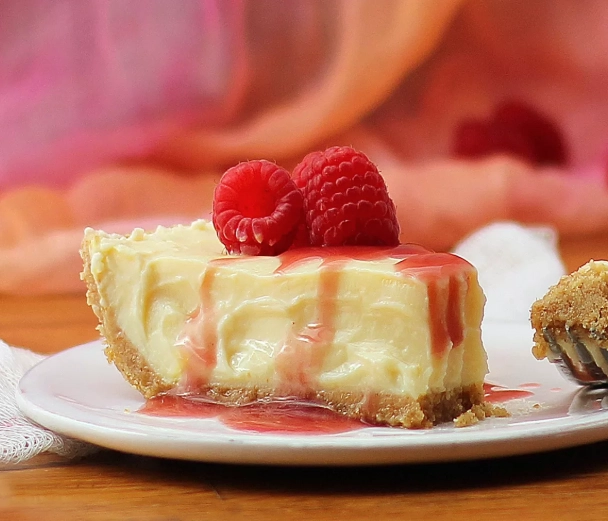
Recipe 2: Simple No-Bake Mixed Berry Swirl Cheesecake
Incredibly easy and visually stunning. Great for beginners.
For the Crust: (Use the same as above, press into pan, no need to bake, just chill).
For the Filling:
1 cup mixed berries (fresh or frozen), plus extra for topping
1 Tbsp lemon juice
1 Tbsp sugar (for the puree)
2 tsp powdered gelatin
3 Tbsp cold water
16 oz cream cheese, room temp
⅔ cup powdered sugar
1 ¼ cups Greek yogurt, room temp
1 tsp vanilla extract
1 cup heavy cream, cold
Method: Simmer the 1 cup berries, lemon juice, and 1 Tbsp sugar until soft. Blend into a puree, strain seeds if desired, let cool. Bloom gelatin in cold water for 5 mins, then microwave for 10 seconds to dissolve (or dissolve over a double boiler). Beat cream cheese and powdered sugar until smooth. Beat in yogurt, vanilla, and dissolved gelatin. In another bowl, whip the heavy cream to medium peaks. Gently fold whipped cream into yogurt mixture until no streaks remain. Pour ⅔ of filling into crust. Swirl in most of the berry puree. Top with remaining filling, then swirl remaining puree on top. Chill for at least 6 hours, until firmly set.
Your Top Yogurt Cheesecake Problems, Solved.
The Troubleshooting Top 5:
- It's too runny/won't set. (No-Bake): Not enough gelatin, or gelatin not properly dissolved. The filling ingredients might have been too cold when gelatin was added, causing it to set in clumps before mixing. (Baked): Underbaked, or ingredients (especially yogurt) had too much moisture. Always use strained, thick yogurt and bake until the center has a slight, defined jiggle, not a liquid wobble.
- It cracked. (Baked): Likely overmixed, cooled too quickly, or oven temp was too high. The water bath and slow cooling are your best friends here. Also, don't open the oven door during baking!
- It's lumpy. Cream cheese and/or yogurt were not at true room temperature. Cold cream cheese will never blend smoothly. Let them sit out for 2-3 hours.
- The crust is soggy. For baked cheesecakes, pre-bake ("blind bake") your crust for 8-10 minutes to set it before adding the wet filling. For no-bake, make sure the filling is completely cool before pouring it onto the crust.
- It tastes too tangy/sour. You might have used an extremely tart yogurt or overdid the lemon juice. Balance is key. Taste your yogurt first. If it's very sharp, you can reduce any added lemon juice slightly and ensure your sugar measurement is accurate.
Answering Your Burning Questions (FAQ)
Taking Your Yogurt Cheesecake to the Next Level
Once you've mastered the basic formula, the world is your oyster.
- Flavor Infusions: Steep herbs like basil or thyme in the cream while you heat it for a no-bake version. Add a tablespoon of matcha powder. Swirl in salted caramel or chocolate hazelnut spread.
- Crust Adventures: Use crushed Oreos for a cookies-and-cream version. Brown butter your graham cracker crumbs for a nutty depth.
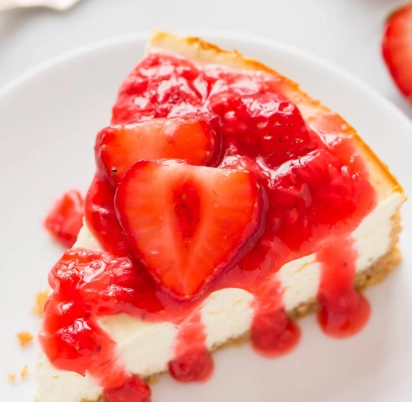
- Toppings Galore: A simple compote is classic. But also consider a salted honey drizzle, a dark chocolate ganache, a sprinkle of toasted nuts and seeds, or fresh seasonal fruit with a brush of apricot jam for shine.
The point is, this isn't a restrictive recipe. It's a canvas. A yogurt cheesecake is forgiving, flexible, and consistently delightful. It has earned a permanent spot in my dessert rotation, and I have a feeling once you give it a proper try, it will in yours too. Start with the classic baked version, respect the room-temperature rule, and don't skip the water bath. You might just find your new favorite dessert.
Got a specific question I didn't cover? Drop it in the comments below – I love talking about this stuff. Now go preheat that oven (or pull out your mixer), and let's get cooking.
Reader Comments