Quick Guide
Let's be honest for a second. How many times have you ended up with a piece of stove top chicken breast that's so dry you need a glass of water just to get it down? Or worse, it's raw in the middle, and you're frantically trying to salvage dinner? I've been there. More times than I'd like to admit. I used to think juicy, flavorful chicken breast was something only restaurants could pull off.
I was wrong. It's actually one of the simplest things to cook, once you know what you're doing. The problem is, most recipes skip the why and just give you the what. They tell you to cook for "6-8 minutes per side" without considering that your chicken breast is probably a different thickness than theirs. That's a recipe for disappointment.
This guide is different. We're going deep. We're going to talk about the science (just a little, I promise), the technique, and the little tricks that make all the difference between a mediocre meal and something you're genuinely proud to serve. Forget the dry, bland stuff. Let's make stove top chicken breast the star of your weeknight dinners.
Why Your Chicken Breast Turns Out Dry (And How to Fix It Forever)
Before we even touch a pan, let's diagnose the problem. Chicken breast is lean. Really lean. It's about 98% fat-free muscle with very little connective tissue to break down and keep things moist. That means it has a tiny window of perfection—cooked through but not a second longer. Miss that window, and the proteins squeeze out all their moisture, leaving you with a tough, chewy result.
The main culprits are:
- High Heat Panic: Cranking the heat to "high" because you're hungry. This sears the outside instantly, trapping… nothing. The inside stays raw, so you cook it longer, and the exterior turns into shoe leather.
- The Thickness Trap: No two chicken breasts are created equal. That uniform "6-minute" rule is a lie. A plump, 1.5-inch breast and a thin, 0.5-inch cut need wildly different treatment.
- No Resting Period: Cutting in immediately after cooking. All those beautiful juices you worked so hard to keep? They just run out onto the cutting board. It's a tragedy.
- Overcooking from Fear: We're so scared of undercooked poultry that we torture it well past the safe temperature. The USDA states that poultry is safe to eat at 165°F (74°C). But guess what? It's actually safe and juicier if you pull it off the heat at around 155-160°F (68-71°C). The residual heat will carry it the rest of the way. This is a game-changer.
See, the goal isn't just to avoid dryness. It's to actively create juiciness. And that starts long before the chicken hits the pan.
The Pre-Game: Choosing and Prepping Your Chicken
This part is boring but crucial. You can't make a silk purse from a sow's ear, as they say.
Buying the Right Chicken Breast
Walk into any grocery store, and you'll see a wall of options. Here's what I look for:
- Air-Chilled vs. Water-Chilled: This is a big one. Most conventional chicken is water-chilled in a big bath. It absorbs water (you're paying for it by weight), and that water leaks out during cooking, steaming the chicken instead of letting it sear. Air-chilled chicken is more expensive, but it tastes more like… chicken. It also browns beautifully. If you can find it and afford it, it's worth it for a special meal.
- Size and Consistency: Look for breasts that are roughly the same size and shape. If you can only find monster-sized ones, plan to butterfly or pound them. Consistency is key for even cooking.
- Enhanced or Not? Check the label. If it says "contains up to X% of a solution of…" that's enhanced chicken. It's injected with saltwater and sometimes other stuff. It's harder to overcook (forgiving for beginners) but can taste a bit processed and salty. I prefer plain, so I can control the seasoning myself.
The Non-Negotiable Prep Steps
Okay, you've got your chicken. Here's what to do, step by step.
Step 1: Pat it DRY.
Take paper towels and pat every single surface of that chicken breast until it's bone-dry. I'm talking Sahara-desert dry. Any moisture on the surface will create steam, which is the enemy of a good sear. A good sear equals flavor (the Maillard reaction, for the science nerds). Do not skip this.
Step 2: The Great Tenderizing Debate (To Pound or Not to Pound?)
Pounding chicken breast to an even thickness is the single best guarantee of even cooking. It solves the "raw in the middle, burnt on the edges" problem. But you don't need to turn it into a schnitzel.
Place the breast between two sheets of plastic wrap or in a heavy-duty zip-top bag. Use a rolling pin, a heavy skillet, or a meat mallet (flat side) to gently pound it to an even ½-inch to ¾-inch thickness. Focus on the thicker end. This isn't about aggression; it's about gentle persuasion.
Some people hate this step. They say it damages the texture. I think a slightly altered texture is infinitely better than an unevenly cooked one. Your call.
Step 3: Season Liberally, and Do It Early.
Salt is not the enemy here; it's your best friend. Season both sides generously with kosher salt (and pepper if you like) at least 15-20 minutes before cooking, if you can. Even 5 minutes is better than nothing. This gives the salt time to penetrate, seasoning the meat from within and helping it retain moisture during cooking. Don't just sprinkle; really coat it.
Let's talk thickness for a second, because it dictates everything.
>15 minutes (sear + oven)
| Chicken Breast Type / Thickness | Best Preparation Method | Estimated Stove Top Cook Time (Total) | Key Consideration |
|---|---|---|---|
| Very Thin ( Often the tail end of the breast. |
Cook as-is. Pounding not needed. | 6-8 minutes | High risk of overcooking. Use medium-high heat and be ready to pull it off fast. |
| Standard (¾ to 1 inch) The most common supermarket size. |
Ideal candidate for light pounding to even out. | 10-14 minutes | The sweet spot. Allows for a good sear and controlled internal cooking. |
| Very Thick (> 1.5 inches) "Airline" or hormone-free breasts often look like this. |
Butterfly (slice horizontally almost all the way through and open like a book) OR use the sear & finish in oven method. | Impossible to cook through on the stove alone without burning the outside. Must modify technique. | |
| Uneven (Thick one end, thin the other) The classic teardrop shape. |
Pounding is mandatory. Target the thick end. | Varies. Cook until the thickest part is done. | Use a meat thermometer. Focus on the temperature in the thickest part, not the thin end. |
See? One size does not fit all. Knowing what you're working with is half the battle.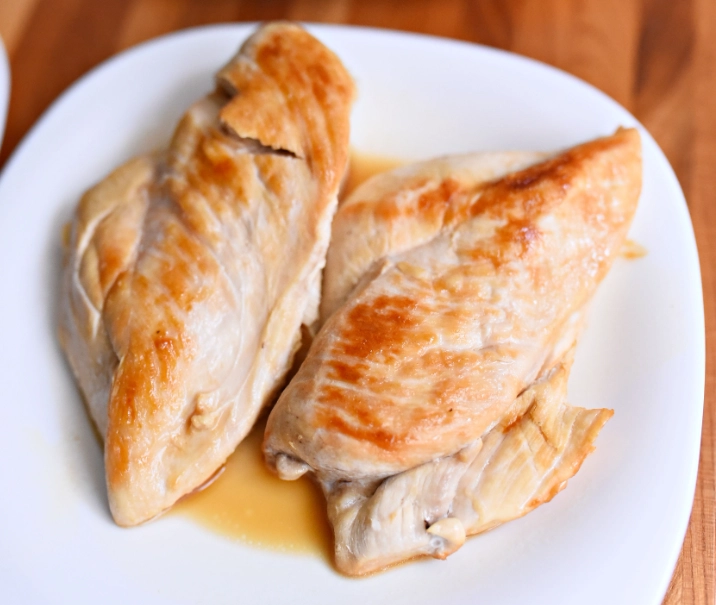
The Main Event: Your Foolproof Stove Top Chicken Breast Method
Alright, the chicken is dry, seasoned, and at room temp (or close to it). Let's cook.
What You'll Need
- A heavy-bottomed skillet (cast iron, stainless steel, or heavy non-stick). Thin pans create hot spots and burn things.
- High-heat cooking oil with a neutral flavor. Avocado oil, grapeseed oil, or refined coconut oil are great. Olive oil is okay for medium heat, but it can smoke at high temps.
- Tongs. Forks puncture and let juice escape.
- An instant-read meat thermometer. This is non-negotiable if you want consistency. I resisted for years, thinking I was "above" it. I was an idiot. It's the best $20 you'll spend in the kitchen.
The Step-by-Step Process
- Heat the Pan First: Place your dry skillet over medium-high heat. Let it get properly hot for a good 2-3 minutes. You should be able to feel the heat radiating when you hold your hand a few inches above it.
- Add the Oil: Add enough oil to lightly coat the bottom—about 1-2 tablespoons. Swirl it around. It should shimmer and look runny almost immediately if the pan is hot enough.
- The Sizzle Test: Gently lay the chicken breast in the pan, laying it away from you so oil doesn't splatter back. It should sizzle assertively the moment it touches the pan. If it doesn't, your pan isn't hot enough. Wait for the sizzle.
- Don't Touch It! This is hard. Resist the urge to poke, prod, or peek for a full 4-5 minutes (for a ¾-inch breast). Let a beautiful, golden-brown crust form. If you try to move it and it sticks, it's not ready. It will release naturally when the sear is complete.
- Flip Once: Use your tongs to flip the chicken. You should see a gorgeous, even sear. Reduce the heat to medium.
- Cook to Temperature, Not Time: Cook on the second side for another 4-6 minutes, but start checking the temperature early. Insert the thermometer into the thickest part of the breast, avoiding the pan bottom.
- Rest, Rest, Rest: The moment it hits temp, transfer the chicken to a clean plate or cutting board. Do not cut it. Tent it loosely with foil and let it rest for 5-10 minutes. This allows the juices, which have been driven to the center by the heat, to redistribute evenly throughout the meat. If you skip this, all that juice ends up on your plate.
That's it. That's the core method for a perfect, basic stove top chicken breast.
Leveling Up: Flavor Bombs and Pro Techniques
Once you've mastered the basic sear, the world is your oyster. The stovetop is a fantastic place to build layers of flavor.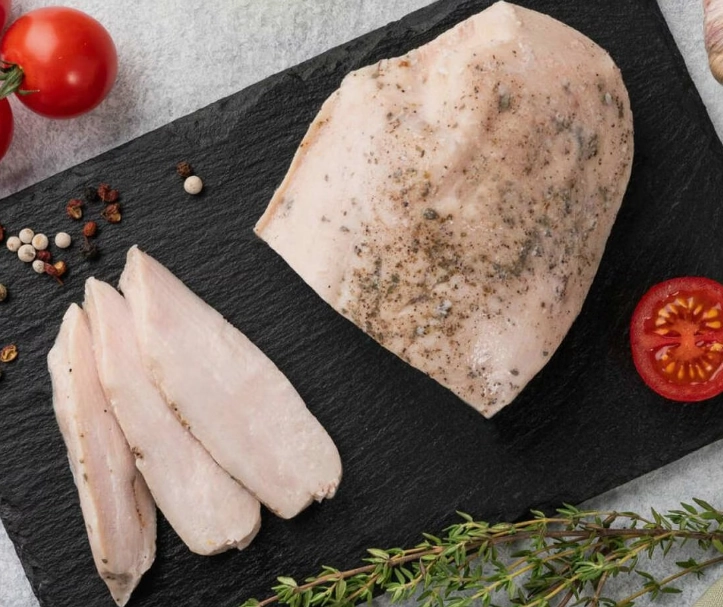
The Pan Sauce Shortcut
After removing your chicken, you have a pan full of browned, flavorful bits (fond). Don't wash it! That's liquid gold. Turn the heat to medium, add a tablespoon of butter and a minced shallot or some garlic. Cook for 30 seconds until fragrant. Pour in about ½ cup of chicken broth or white wine. Scrape up all those bits with a wooden spoon. Let it simmer and reduce by half. Turn off the heat and swirl in a couple of cold tablespoons of butter or a splash of cream. Spoon this over your rested chicken. Instant restaurant-quality sauce in 3 minutes.
Marinades and Dry Rubs
A simple marinade of olive oil, lemon juice, garlic, and herbs for 30 minutes can work wonders. For a dry rub, mix paprika, garlic powder, onion powder, a little brown sugar, salt, and pepper. Rub it all over the dry chicken before cooking. The sugar will help with caramelization.
The Butter-Basting Finish
This is a chef's trick for incredible flavor and sheen. For the last 2 minutes of cooking, add 2 tablespoons of butter, a couple of smashed garlic cloves, and a sprig of thyme or rosemary to the pan. As the butter melts, tilt the pan and use a spoon to continuously scoop the foaming butter and pour it over the top of the chicken breast. It's like giving your chicken a luxurious butter bath. This method makes an unreal stove top chicken breast.
Storing, Reheating, and Making it a Meal
You've cooked a perfect batch. Now what?
Meal Prep Magic
Stove top chicken breast is a meal-prep superstar. Let it cool completely, then store whole or sliced in an airtight container in the fridge for up to 4 days. For longer storage, freeze individually wrapped portions for up to 3 months.
The Reheat Without Drying Out
Reheating is where good chicken goes to die. The microwave is your enemy here. It zaps moisture.
- Best Method (Skillet): Reheat slices gently in a skillet over low heat with a tiny splash of water or broth. Cover for a minute to steam gently, then uncover to let any excess moisture evaporate.
- Oven Method: For a whole breast, wrap it loosely in foil with a tablespoon of broth and warm in a 300°F (150°C) oven until just heated through.
What to Serve With It
The beauty of a basic stove top chicken breast is its versatility. Slice it over a salad, chop it for tacos or wraps, serve it whole with roasted veggies and a starch, or shred it for soups and casseroles. It's the ultimate blank canvas.
Your Stove Top Chicken Breast Questions, Answered
Look, cooking a great stove top chicken breast isn't about fancy ingredients. It's about patience, a little understanding, and trusting the process. It's about ignoring the clock and listening to the food—the sound of the sizzle, the look of the sear, the reading on the thermometer.
I still mess it up sometimes. If I'm distracted and leave it in 30 seconds too long, I can tell. But those times are rare now. Most nights, I can crank out juicy, flavorful chicken that's perfect for whatever we're eating. It feels like a superpower.
So grab a skillet, dry off some chicken, and give it a go. Follow these steps, and I promise you'll never look at a bland, dry chicken breast the same way again. The perfect stove top chicken breast isn't a restaurant secret anymore. It's in your kitchen, waiting for you.
Reader Comments