Quick Summary
- Why Bother? The Real Benefits Beyond the Hype
- The Mindset Shift: Overcoming the Mental Hurdles
- The Core Components of a Good Meal Prep System
- Putting It All Together: Sample Prep Plans
- Essential Tools That Make a Difference
- Answering Your Meal Prep Questions (FAQ)
- The Final Ingredient: Give Yourself Grace
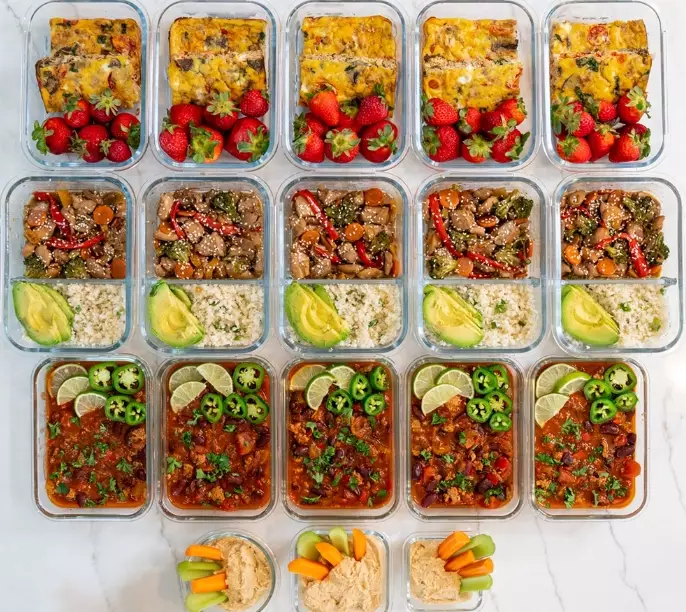
Let's be real. The idea of "good meal prep" gets thrown around a lot. You see those perfect Instagram photos with rows of identical containers, and it feels... impossible. Like something only fitness influencers with too much time on their hands can manage. I used to think that too. I'd try on a Sunday, end up with a mountain of dishes and three sad-looking containers of chicken and broccoli, and by Wednesday I was back to ordering takeout.
But then I figured something out. Good meal prep isn't about perfection. It's not about spending your entire weekend in the kitchen. It's a practical system to make your week easier, your diet healthier, and your wallet happier. It's about taking a little bit of controlled chaos on a Sunday to prevent the total chaos of a Tuesday night when you're starving and staring into an empty fridge.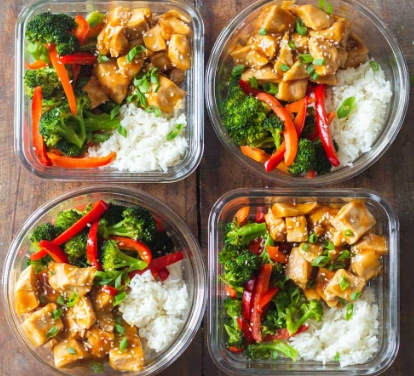
Why Bother? The Real Benefits Beyond the Hype
Everyone talks about saving time and money, which is absolutely true. But the benefits of a solid meal prep routine go way deeper.
First, the obvious one: mental load reduction. The daily question of "what's for dinner?" is a genuine source of stress. Removing that decision from your weekday evenings is a gift to your future self. It frees up brain space for things that actually matter.
Then there's portion and nutrition control. When you prepare your meals, you decide what goes in them. Want more veggies? Less sodium? More protein for your workouts? You're in the driver's seat. This is huge for hitting health goals, whether that's weight management, better energy, or just feeling less bloated. You're not at the mercy of restaurant-sized portions or hidden sugars.
And let's talk money. I tracked my spending for a month before and after committing to good meal prep. The difference was staggering. I was easily spending double on last-minute grocery trips, convenience snacks, and delivery apps. Preparing the core components of my meals cut my weekly food bill by at least 30-40%. That's real money.
The Mindset Shift: Overcoming the Mental Hurdles
Before we get to the how-to, we need to tackle the why-not. The mental blocks are what stop most people.
"It takes too much time." This is the big one. But here's the counterpoint: how much time do you spend daily deciding, shopping for, and cooking meals? A focused 2-3 hour session on a weekend often adds up to less total kitchen time than 30-45 minutes of scrambling every night. You're batch-processing, which is inherently more efficient.
"The food gets boring/soggy." Fair concern. Early on, my meals were boring and sometimes soggy. This usually comes down to two mistakes: prepping the wrong foods (looking at you, leafy salads in a container for 5 days) and using poor storage techniques. We'll fix both.
"I don't have the willpower." Willpower is a muscle that gets tired. Meal prep moves the decision to a moment when your willpower is high (a planned weekend) and removes the need for it when it's low (a tired weeknight). You've already made the healthy choice. You just have to grab and go.
Think of it not as a chore, but as an investment. You're investing a few hours to buy back dozens of hours of stress and decision fatigue later. That's the core of sustainable good meal prep.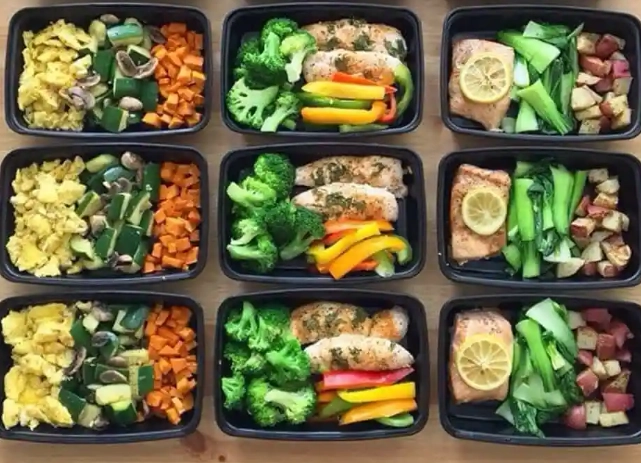
The Core Components of a Good Meal Prep System
A system that works is built on three pillars. Skip one, and the whole thing feels wobbly.
1. Planning (The Blueprint)
This is the most important step, and where most people skimp. Don't just open the fridge and hope for inspiration.
Start by looking at your calendar. How many lunches do you need? How many dinners will you actually eat at home? Be realistic. If you have a work dinner on Thursday, only prep for four nights. This prevents waste and guilt.
Then, choose your meals. My strategy is the Mix-and-Match Component Method. Instead of pre-assembling complete, identical meals, I prep versatile components I can combine in different ways.
- Proteins: A big tray of roasted chicken thighs, a pot of seasoned ground turkey, a batch of baked tofu or lentils.
- Complex Carbs: A big pot of quinoa or brown rice, roasted sweet potato cubes, whole-wheat pasta.
- Veggies: Two or three kinds. Roasted broccoli, sautéed bell peppers and onions, a big kale salad (dressing on the side!), raw carrot and cucumber sticks.
- Flavor Boosters: A zesty sauce (like a cilantro-lime yogurt), a jar of pickled onions, a sprinkle of nuts or seeds, different spice blends.
This method is a game-changer. It keeps things interesting. Monday could be a rice bowl with chicken and broccoli. Tuesday, those same ingredients get tossed into a whole-wheat wrap with the yogurt sauce. Wednesday, mix the ground turkey with pasta and peppers. Same components, totally different feels.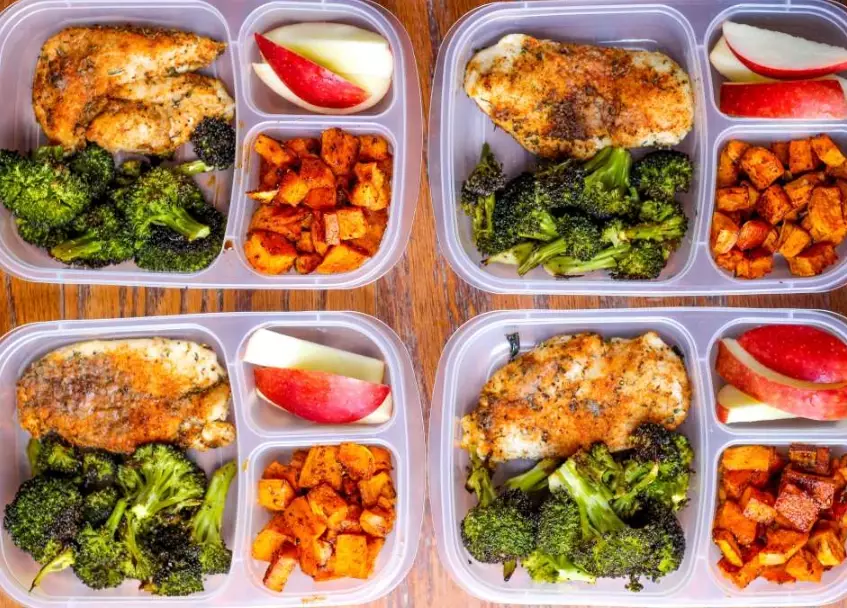
2. The Prep Session (Execution)
Now, you cook. Efficiency is key. I use an "assembly line" approach.
- Preheat & Organize: Get your oven heating. Pull out all your ingredients, containers, knives, and cutting boards. Clear the decks.
- Chop Everything First: Do all your veggie chopping at once. It's faster and creates less mess than chopping between tasks.
- Start the Longest Cook Item: Get your grains (rice, quinoa) cooking or your slow cooker/Instant Pot going. While that simmers, you work on other things.
- Roast & Sauté: Use your oven efficiently. Roast your veggies and your protein at the same time if the temperatures are close (adjust cook times). While things roast, sauté items on the stovetop.
- Cool Before Packing: Let cooked food cool to room temperature before sealing containers. This prevents condensation, which is the enemy of crispness and leads to soggy food faster.
Honestly, I put on a podcast or some music. Those two hours fly by, and the sense of accomplishment is real.
3. Smart Storage (The Key to Freshness)
This is where good meal prep becomes great meal prep. The right container and technique make all the difference.
Invest in good containers. I'm not talking about a huge expensive set, but a few reliable ones. Look for glass containers that are oven, microwave, and freezer-safe. They're more expensive upfront but last forever and don't stain or warp. If you use plastic, ensure it's BPA-free and designed for food storage. For the component method, containers with dividers are super helpful.
Here’s a quick guide to how long common prepped items typically last safely in the fridge. This is a general guideline; always use your senses (smell, sight) as the final judge.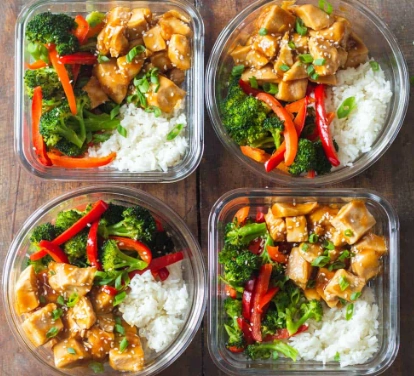
| Food Category | Example Items | Optimal Fridge Life (at or below 40°F/4°C) | Storage Tip |
|---|---|---|---|
| Cooked Grains & Starches | Brown rice, quinoa, pasta, roasted potatoes | 3-5 days | Cool completely before storing. A shallow layer in a container helps it cool faster and more evenly. |
| Cooked Lean Proteins | Chicken breast, fish, turkey, tofu | 3-4 days | Store in a sealed container with any juices or broth to prevent drying out. |
| Cooked Legumes & Soups/Stews | Lentils, black beans, chili, vegetable soup | 4-5 days | Often taste better the next day! These are great freezer candidates. |
| Hard/Roasted Vegetables | Roasted broccoli, carrots, bell peppers | 4-5 days | Keep them slightly underdone if you plan to reheat, as they'll cook more. |
| Leafy Greens & Raw Veggies | Chopped lettuce, kale salad, cucumber slices | 2-3 days | Store DRY. Use a salad spinner. Keep dressings and wet ingredients in a separate small container. |
| Sauces & Dressings | Yogurt sauce, vinaigrette, pesto | 5-7 days | Small mason jars or dedicated sauce containers are perfect. |
Putting It All Together: Sample Prep Plans
Let's get concrete. Here are two sample approaches, from simple to more advanced.
The "Beginner's Win" Plan (90 minutes)
Goal: Lunches for 4 days and easier dinners.
- Cook 1.5 cups dry quinoa (makes ~4.5 cups cooked).
- Roast two trays of veggies: one with broccoli florets, another with chickpeas (tossed in oil and spices).
- Hard-boil 6-8 eggs.
- Wash and chop 1 pint of cherry tomatoes and 1 cucumber.
- Make a simple lemon-tahini dressing.
Assembly: Each lunch = quinoa base, handful of roasted veggies, handful of chickpeas, fresh tomatoes/cucumber, drizzle of dressing. Dinners = Use the same components for quick scrambles, or toss the roasted veggies and chickpeas with pasta. Easy, nutritious, and a perfect introduction to good meal prep.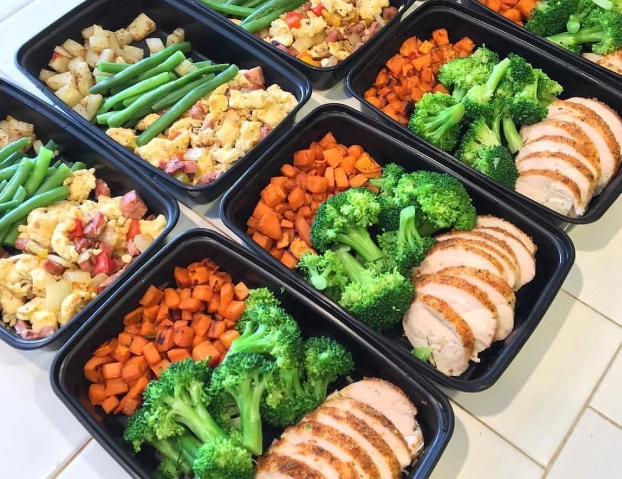
The "Family-Friendly" Component Plan (2.5 hours)
Goal: Dinners for 4-5 nights with variety.
- Protein 1: Season and bake 4-5 chicken breasts, then shred.
- Protein 2: Brown 2 lbs of lean ground beef with taco seasoning.
- Carbs 1: Cook 2 cups dry brown rice.
- Carbs 2: Roast 3 sweet potatoes, cubed.
- Veggies 1: Sauté 2 bell peppers and 1 onion.
- Veggies 2: Roast a large bag of frozen cauliflower florets.
- Extras: Grate cheese, make a batch of pico de gallo or chop lettuce.
Meal Ideas from these components: Taco bowls (rice, beef, peppers, toppings). BBQ chicken sweet potatoes (shredded chicken with BBQ sauce on sweet potato). Burritos (wrap it all up). Chicken fried rice (using day-old rice, chicken, peas, egg). Loaded cauliflower (cauliflower with cheese, chicken, peppers). The combinations are endless, and it pleases different tastes.
Essential Tools That Make a Difference
You don't need a kitchen full of gadgets, but a few key tools will save you hours and frustration.
- A Good Chef's Knife & Cutting Board: The foundation. A sharp knife is safer and faster. I spent $60 on a decent knife years ago, and it's the best kitchen investment I've made.
- Large Sheet Pans & Parchment Paper: For roasting. Parchment paper means virtually no cleanup. A total game-changer for the lazy cleaner in me.
- Large Pots & a Dutch Oven/Slow Cooker: For batches of grains, soups, and stews.
- Quality Food Storage Containers: As discussed. A mix of sizes (single-serving, large for components). Glass is my personal preference.
- Optional but Awesome: An Instant Pot or pressure cooker (cooks dried beans from scratch in under an hour, no soaking), a rice cooker (perfect rice every time, hands-off), a mandoline slicer (for super fast, uniform veggie slicing—be careful of your fingers!).
I held off on an Instant Pot for years, calling it a fad. I finally got one, and it's fantastic for meal prep. Making a huge batch of shredded chicken or steel-cut oats is effortless. I was wrong to dismiss it.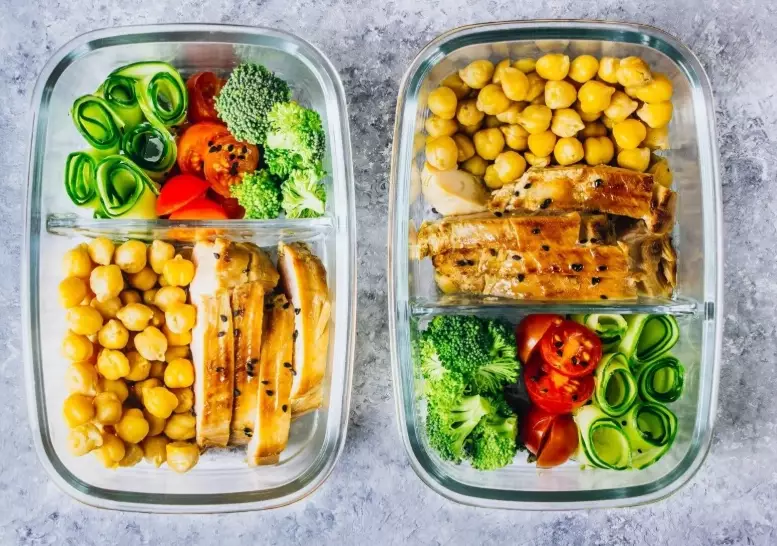
Answering Your Meal Prep Questions (FAQ)
The Final Ingredient: Give Yourself Grace
Your first attempt might not be perfect. You might under-season the chicken. You might forget an ingredient. The quinoa might be a bit mushy. That's okay. It's still food you made, and it's still better for you and your budget than the alternative.
Start small. Don't try to prep 21 meals in your first session. Prep just your lunches. Or just your breakfasts. Build the habit first, then expand.
The goal of good meal prep isn't Instagram perfection. The goal is a simpler, healthier, less stressful week. It's about taking back a little control in a chaotic world, one container at a time. Find the rhythm and the recipes that work for your life. That's the real secret.
Now, go clear off a counter. You've got this.
Reader Comments