Quick Navigation
- Why Bother with Meal Prep? (Beyond the Obvious)
- The Foundation: What You Need Before You Even Look at a Recipe
- The Golden Rule of Meal Prep Recipes: Flavor Layering
- 5 Fail-Proof Meal Prep Recipe Categories to Build Your Week Around
- A Sample Week of Meal Prep Recipes (No Chicken & Broccoli in Sight)
- Storing Your Masterpieces: How to Not Get Sick
- Answering Your Real Questions About Meal Prep
- Where to Find Reliable Meal Prep Recipes (And Where to Avoid)
- Making It a Habit (Not a Chore)
Let's be honest. The idea of meal prep sounds amazing on a Sunday afternoon when you're feeling motivated. But by Wednesday, those carefully packed containers might be staring back at you from the fridge, looking a lot less appealing. I've been there. I've prepped chicken and broccoli so many times I could do it in my sleep, and let me tell you, the boredom is real. The trick isn't just finding meal prep recipes; it's finding a system and recipes that you'll actually want to eat all week long.
This isn't about rigid, flavorless diet food. It's about giving yourself the gift of time and sanity. Think about it: no more 5 PM panic about what's for dinner, no more expensive and often unhealthy takeout, and way less dishwashing. The goal here is to make your life easier, not add another chore to your list.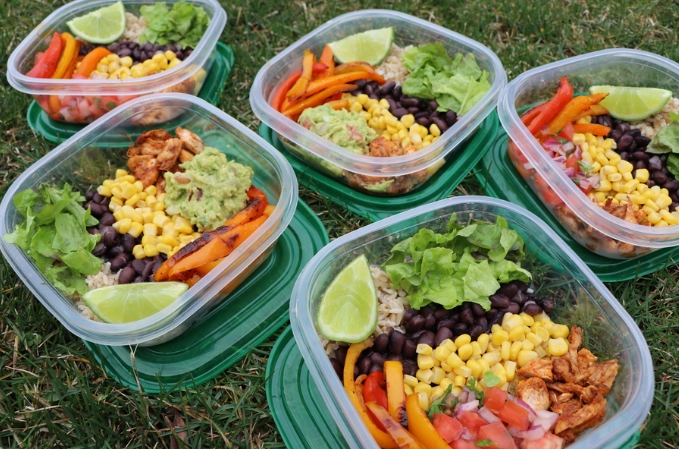
Why Bother with Meal Prep? (Beyond the Obvious)
Everyone says it saves time and money. True. But the real benefits sneak up on you.
You make better decisions when you're not hungry. We've all made the "hangry" supermarket run, tossing chips and frozen pizza into the cart. When healthy food is already prepared, you eat it. It's that simple. You also waste less food. That half-bunch of cilantro or single chicken breast? They get used up in your prep instead of slowly dying in the fridge drawer.
But the biggest win for me was mental. That constant low-grade stress of "what's for dinner?" just vanished. It freed up so much brain space. If you're new to this world of weekly cooking, start by searching for easy meal prep recipes for beginners. Don't jump into complex sauces and 20-ingredient dishes right away.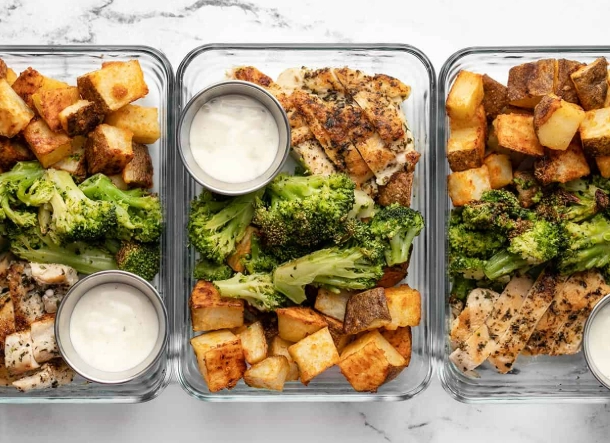
The Foundation: What You Need Before You Even Look at a Recipe
Jumping straight into recipes is like building a house without a foundation. A little planning prevents a lot of wasted food and effort.
Containers Are Your Best Friend (or Worst Enemy)
Get good containers. I'm not saying spend a fortune, but flimsy lids that leak or containers that stain after one use with tomato sauce will make you hate the process. I prefer glass containers because they don't stain, they microwave safely, and they just feel nicer. But a good set of BPA-free plastic ones with tight seals works great too. Get a variety of sizes—big for salads or grain bowls, medium for main dishes, small for snacks or sauces.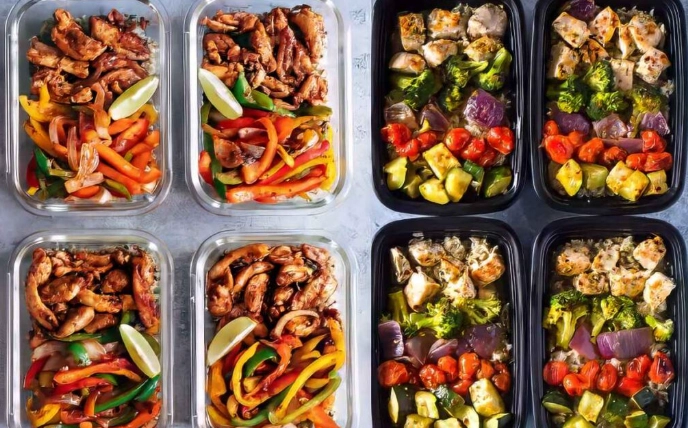
The Equipment That Actually Matters
You don't need a kitchen full of gadgets. A few key pieces will do 90% of the work:
- A large, sharp chef's knife. Dull knives are dangerous and slow.
- Two big cutting boards.
- A large sheet pan (or two). Roasting is the meal prep MVP.
- A big pot for soups, stews, and boiling grains.
- A large skillet or wok.
The Golden Rule of Meal Prep Recipes: Flavor Layering
This is the secret weapon against boredom. Bland food on Monday is inedible by Friday. You need to build flavors that hold up.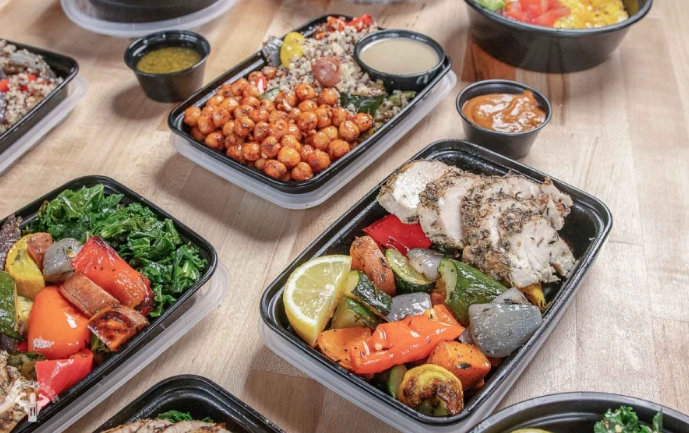
Don't just steam broccoli. Toss it in olive oil, garlic powder, smoked paprika, salt, and pepper, then roast it until the edges are crispy. That broccoli will still taste good on day four. For proteins, a good marinade or dry rub is essential. A simple mix of soy sauce, a little honey, ginger, and garlic can transform plain chicken breasts.
Always have an "ace in the hole" sauce or condiment to add just before eating. It refreshes the whole dish. Think:
- A zesty lemon-herb vinaigrette
- A spicy yogurt sauce (Greek yogurt, lime, cilantro, a pinch of cayenne)
- A quick peanut sauce (peanut butter, soy sauce, lime juice, hot water to thin)
Prep these sauces in little containers each week. When you go to eat, drizzle it on. It makes the same base ingredients feel completely new.
5 Fail-Proof Meal Prep Recipe Categories to Build Your Week Around
Instead of picking random dishes, think in categories. This helps with balance and makes shopping easier.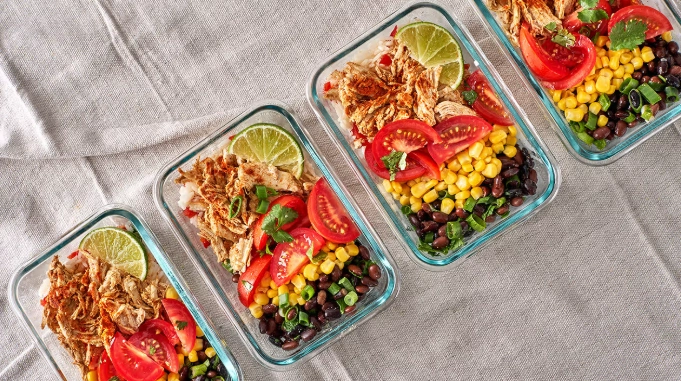
The Grain Bowl Formula
This is the most versatile template for healthy meal prep recipes. Cook one grain (quinoa, brown rice, farro), roast two vegetables (like sweet potato and bell pepper), prepare one protein (lemony baked tofu, shredded chicken, black beans), and make one signature sauce. Assemble them in different combinations throughout the week. Never boring.
Soup & Stew Salvation
They taste better as the days go by, and they freeze beautifully. Making a big pot of lentil soup, chili, or chicken stew is a no-brainer. Portion it out, and you have instant lunches or lazy dinners. Pair with a piece of whole-grain bread or a side salad.
The Big Protein & Veggie Roast
The classic for a reason. Sheet pan meals are efficient. Toss chopped vegetables (broccoli, carrots, onions, Brussels sprouts) and a protein (chicken thighs, salmon fillets, chickpeas) in oil and seasonings. Roast until done. Simple, hands-off, and creates multiple meals. The key is using bold seasonings.
Salad Jars (They Actually Work)
If you layer them correctly—dressing at the bottom, then sturdy ingredients like grains or beans, then proteins, then veggies, with delicate greens at the very top—they stay crisp for days. Just shake and dump into a bowl at mealtime. Perfect for weekly meal prep ideas when you want something fresh.
Freezer-Friendly Burritos or Breakfast Sandwiches
Don't forget breakfast! Scrambling eggs every morning is a pain. Make a batch of breakfast burritos with scrambled eggs, black beans, cheese, and spinach, wrap them tightly in foil, and freeze. Microwave from frozen. Same with English muffin sandwiches. This is a game-changer for rushed mornings.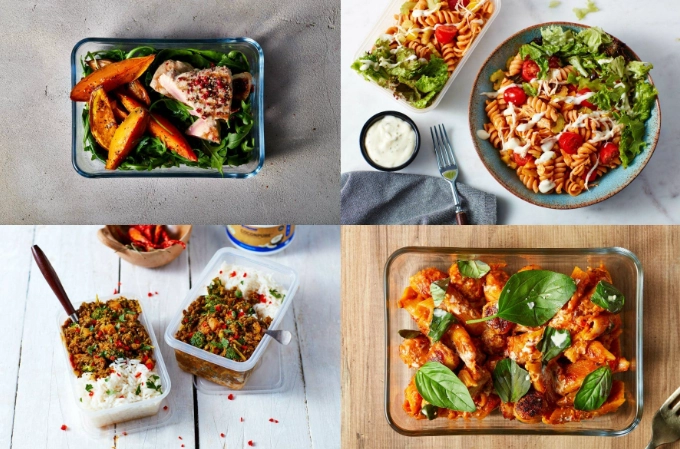
A Sample Week of Meal Prep Recipes (No Chicken & Broccoli in Sight)
Let's get concrete. Here’s what a realistic prep for two people might look like, aiming for 4-5 lunches and 3-4 dinners.
| Category | Recipe / Component | Prep Notes | How It's Used |
|---|---|---|---|
| Grain | 1.5 cups dry quinoa, cooked | Cook in veggie broth for extra flavor. Let cool. | Base for bowls, side for soup. |
| Protein 1 | Maple-Dijon Baked Salmon | Bake 4 fillets with glaze. Cool before storing. | 2 dinners with veggies, flaked into salads. |
| Protein 2 | Seasoned Black Beans (2 cans) | Sauté with onion, cumin, chili powder. | For bowls, burrito fillings. |
| Veggies 1 | Roasted Rainbow Vegetables | Chop sweet potato, bell peppers, red onion, zucchini. Toss with oil & herbs, roast. | Goes with everything. |
| Veggie 2 | Massaged Kale Salad | Remove stems, chop, massage with lemon juice and a pinch of salt to soften. | Salad base, adds greens to bowls. |
| Sauce | Creamy Avocado-Cilantro Dressing | Blend avocado, cilantro, Greek yogurt, lime, garlic, water. | Drizzle on bowls, use as salad dressing. |
| Bonus | Hard-Boiled Eggs (6) | Cook, cool, peel. Store in water. | Quick snack or protein boost. |
From this single session, you can create: quinoa bowls with salmon and roasted veggies, kale salads with black beans and avocado dressing, quick burrito bowls, and standalone meals of salmon with a side of quinoa and veggies. It’s mix-and-match, which is crucial.
Storing Your Masterpieces: How to Not Get Sick
Food safety is non-negotiable. The CDC's food safety guidelines are the final word here, but the basics are simple.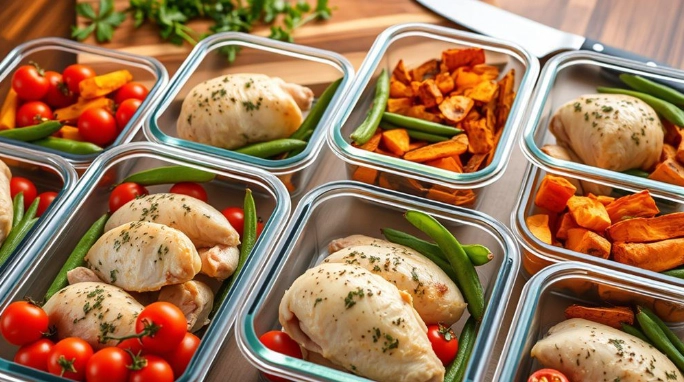
Cool food quickly before packing. Don't put steaming hot food directly into containers and then into the fridge—it raises the fridge's temperature. Let it sit on the counter until it's no longer hot to the touch, then pack and refrigerate.
The general rule for refrigerated prepped meals is 3-4 days.
If you won't eat it within that window, freeze it on day 2 or 3.
Label your containers with the date. Use masking tape and a marker. "Chili, 10/26" takes two seconds and prevents the "what is this and when did I make it?" mystery container game.
Answering Your Real Questions About Meal Prep
You might, if you prep five identical boxes of chicken, rice, and peas. That's why the mix-and-match component method is superior. You're not locking yourself into one meal. You're creating a toolkit. On Tuesday, you might have a bowl with quinoa, black beans, and roasted veggies. On Wednesday, you might have the kale salad with salmon and avocado dressing. Same ingredients, different experience.
It's the opposite of wasteful! It ensures you use up what you buy. That single chicken breast becomes part of three meals instead of maybe one. Portion things out immediately into single servings in the freezer to avoid overeating and to have a ready-made "frozen dinner" stash that's healthier than anything from the store.
A focused session takes me 1.5 to 2 hours from pulling out ingredients to washing the last pan. But here's the thing: you're saving that 30-60 minutes of cooking and cleaning every single weeknight. You come out way ahead on time. Put on some music or a podcast, and it becomes almost therapeutic.
This is usually a storage or ingredient issue. Keep wet components (sauces, juicy tomatoes) separate from dry ones (greens, crispy roasted veggies) until you're ready to eat. Don't overdress salads or grain salads. And choose sturdy vegetables for roasting—cauliflower, carrots, Brussels sprouts, sweet potatoes. They hold up better than zucchini or mushrooms over many days.
Where to Find Reliable Meal Prep Recipes (And Where to Avoid)
The internet is full of ideas, but quality varies wildly.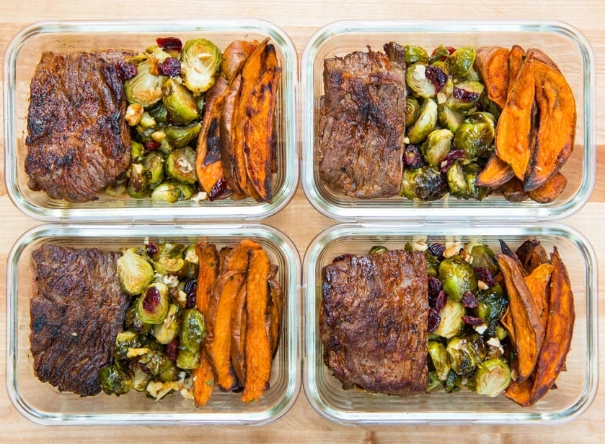
I look for recipes from sources that understand meal prep recipes need to be sturdy. Websites run by registered dietitians often have great, balanced ideas. The MyPlate guidelines from the USDA are a good, science-backed reference for building a balanced plate, which you can then apply to any recipe.
Be skeptical of overly complicated "meal prep" recipes with 15 fresh herbs and three separate reductions. The goal is simplicity and efficiency. A great source for grounded nutrition advice that can inspire your prep is The Nutrition Source from Harvard T.H. Chan School of Public Health. Their articles on healthy eating plates and protein sources help you build smarter meals from the ground up.
My personal litmus test? If the recipe dirties every pot in my kitchen and requires constant attention, it's not a good candidate for weekly prep. Save those for a fun weekend project.
Making It a Habit (Not a Chore)
Start small. Don't try to prep three meals a day for seven days. That's a recipe for burnout. Start with lunches for the workweek. Or just prep breakfasts and snacks. A small win builds confidence.
Schedule it. Put "Meal Prep" on your calendar for Sunday afternoon or Monday evening. Treat it like an appointment.
The best meal prep recipe is the one you'll actually make and eat.
If you hate quinoa, don't make it. If you love tacos, find a way to prep taco fillings. Your meal prep should reflect your tastes, not some idealized notion of health. It's about working smarter, not punishing yourself.
So grab a few containers, pick a couple of simple, flavorful meal prep recipes that sound good to you, and give it a shot. You might just find that a few hours on the weekend gives you back your weeknights and your peace of mind. And really, what's more valuable than that?
Reader Comments