Jump to Sections
- Where Did the Name "Jojo Potato" Even Come From?
- So, What Exactly IS a Jojo Potato? (It's Not Just a Fry)
- The Can't-Mess-It-Up Homemade Jojo Potatoes Recipe
- The Golden Rules for Perfect Jojos Every Time
- Where to Find the Best Jojo Potatoes in the Wild
- Jojo Potatoes: Your Questions, Answered (FAQ)
- Wrapping It Up: More Than Just a Side Dish
You're scrolling online, maybe looking for a killer side dish, and you keep seeing this term pop up: jojos potato. Or is it jojo potatoes? Jojo's potatoes? The spelling seems as varied as the recipes. If you're not from the American Northwest, you might be scratching your head. What are these things, and why do people get so passionate about them?
Let me clear it up for you. I'm talking about those thick, skin-on, heavily seasoned potato wedges, deep-fried to a glorious golden-brown crisp on the outside while staying fluffy and tender on the inside. They're a staple in deli cases, roadside diners, and backyard barbecues from Oregon to Idaho. But there's so much more to them than just being a fancy fry.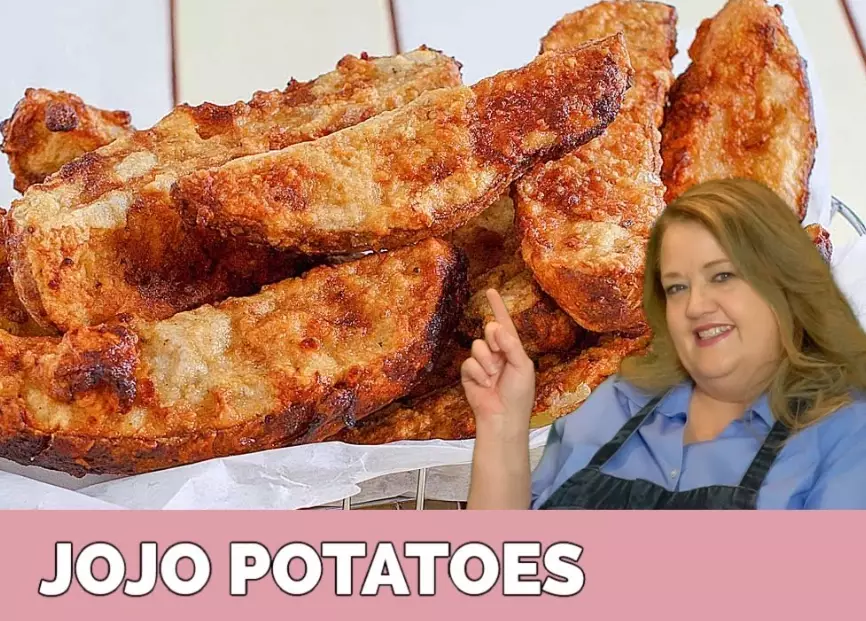
I remember the first time I had a proper jojos potato. It was at a no-frills grocery store deli in Portland. They were sitting under a heat lamp, piled high, glistening. One bite, and I was hooked. The seasoning was this perfect peppery, garlicky blend, the texture was unreal, and they were somehow both hearty and addictive. But then I tried to make them at home... disaster. They came out soggy, bland, and nothing like the real deal.
That sent me down a rabbit hole. I talked to deli managers, read old community cookbooks, and burned through more pounds of potatoes than I care to admit. This guide is everything I wish I'd known back then. We're going to dig into the murky history of the name, break down exactly what makes a jojo a jojo, give you a foolproof recipe, and tell you where to find the legendary ones. Consider this your one-stop shop for all things jojos.
Where Did the Name "Jojo Potato" Even Come From?
This is where things get fun. Ask three different old-timers in a Coos Bay tavern, and you'll get three different stories. The origin of "jojos potato" is a genuine piece of American food folklore.
The most common theory points to a chain of restaurants. There was a fried chicken franchise called Jojo's that was fairly popular in the Midwest and West in the mid-20th century. The story goes that their signature side dish was these seasoned potato wedges. Even after the chain faded, the name for the potatoes stuck around in certain regions, especially where the chain had a presence. It makes sense—think of how "Xerox" became a verb for copying.
Then there's the biblical theory. Some folks say it's a reference to the biblical figure Jojo—wait, no, that's not right. They mean Joshua. The idea is that the potato wedge is like a staff or a club, reminiscent of the prophet. Honestly, this one feels a bit like a stretch to me, but you hear it often enough that it's part of the mythos.
My personal favorite, and one a retired food distributor told me, is much simpler. It's just onomatopoeia. When you bite into a perfectly fried, crispy jojo, it makes a satisfying "jo-jo" crunch sound. I love this explanation because it's about the sensory experience, which is really what food is all about.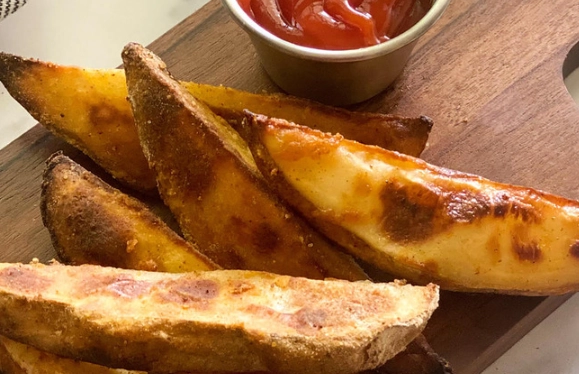
Whatever the true origin, the name "jojos potato" is deeply rooted in regional American cuisine, specifically the Pacific Northwest. It's a term of endearment for a humble, delicious food.
The truth is probably a mix of all these. The restaurant chain likely popularized the specific style and the name, which then took on a life of its own, absorbing local stories and meanings. What's undeniable is that when you say "jojos" in Oregon, Washington, or Idaho, people know exactly what you're craving.
So, What Exactly IS a Jojo Potato? (It's Not Just a Fry)
This is crucial. Not every potato wedge is a jojo. Calling a standard, unseasoned baked potato wedge a jojo potato would get you some serious side-eye in the right circles. There's a specific standard.
Let's break down the anatomy of a true jojo:
- The Cut: We're talking wedges, not fries, not cubes. Typically, a russet potato is cut into 8 or 12 wedges. They're substantial—you get a real mouthful. The skin is almost always left on, which adds texture and flavor.
- The Seasoning (The Secret Sauce): This is the heart of the matter. A jojo is heavily seasoned before frying. The classic dry rub is a simple but powerful combination of seasoned salt (like Lawry's), garlic powder, onion powder, and a hefty amount of black pepper. Some places add paprika for color and a touch of smokiness. This coating forms a flavorful, crispy crust during frying.
- The Cooking Method: Deep-frying is the traditional and, in my opinion, non-negotiable method. The high heat of the oil is what creates that iconic contrast: a shatteringly crisp exterior and a soft, steamy interior. Baking can yield a decent wedge, but it won't be a true jojo.
- The Texture: The perfect jojo has a audible crunch when you bite, followed by an almost creamy potato center. No sogginess allowed.
How does it compare to its cousins? Here's a quick rundown:
| Potato Form | Key Characteristics | How it Differs from a Jojo |
|---|---|---|
| French Fries | Thin sticks, often blanched, usually salted after frying. | Thinner, less hearty, seasoning is typically just salt applied post-cook. |
| Steak Fries | Thick-cut wedges or strips. | Very similar in cut, but often not seasoned with the same robust dry rub before cooking. The flavor profile is milder. |
| Home Fries | Diced or cubed, pan-fried, often with onions and peppers. | Different cut, different cooking method (pan-frying vs. deep-frying), often includes other vegetables. |
| JOJO POTATO | Thick skin-on wedge, pre-seasoned with peppery blend, deep-fried to crispy perfection. | This is the standard. The specific pre-fry seasoning is the key differentiator. |
See the difference? It's all in the details. The pre-seasoning is what sets the jojos potato apart and creates its unique flavor-packed crust.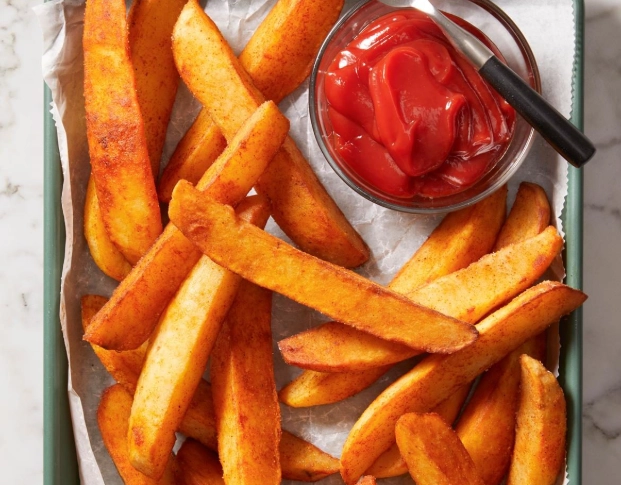
The Can't-Mess-It-Up Homemade Jojo Potatoes Recipe
Alright, let's get to the good stuff. Making jojos at home is totally achievable, and it's way cheaper than buying them by the pound. This recipe is the culmination of my many (many) tests and tweaks.
What You'll Need:
- Potatoes: 4 large Russet potatoes. Russets are high in starch and low in moisture, which is perfect for fluffy interiors and crispy outsides. Don't use waxy potatoes like red potatoes—they won't get as fluffy.
- Oil for Frying: A neutral oil with a high smoke point. Canola, peanut, or vegetable oil are perfect. You'll need enough to fill your pot or deep fryer about 3 inches deep.
- The Jojo Seasoning Blend:
- 3 tablespoons seasoned salt (This is the base. I prefer Lawry's for authenticity.)
- 1 tablespoon garlic powder
- 1 tablespoon onion powder
- 2 teaspoons freshly ground black pepper (This is important—the pre-ground stuff loses its punch.)
- 1 teaspoon smoked paprika (optional, but adds great color and depth)
The Step-by-Step Process:
Step 1: Prep the Potatoes. Scrub the potatoes clean—remember, we're keeping the skin on. Cut each potato in half lengthwise, then cut each half into 3 or 4 wedges, depending on size. You want substantial wedges. Immediately place the cut wedges into a large bowl of cold water. Soaking for 20-30 minutes is a secret weapon. It pulls out excess surface starch, which is the enemy of crispiness. Trust me on this.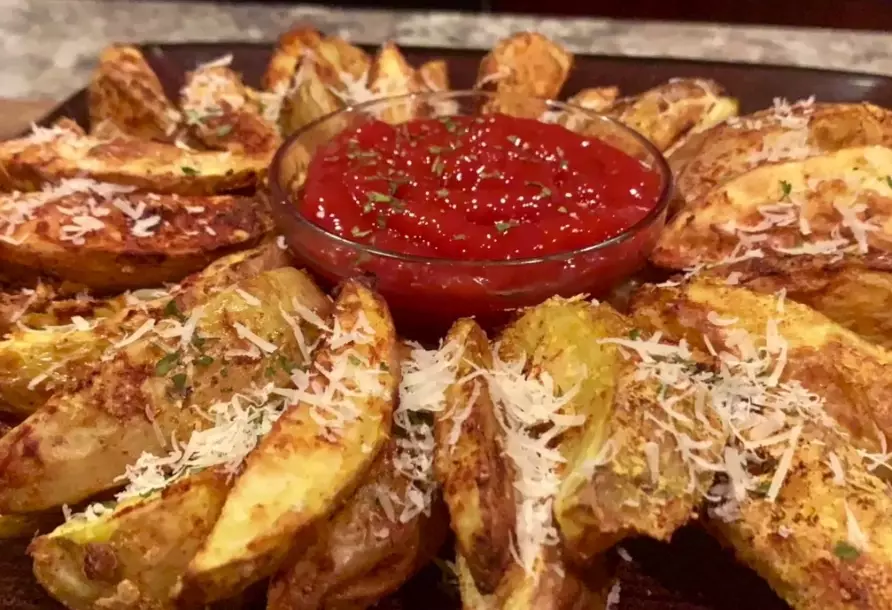
Step 2: Season Aggressively. Drain the potato wedges and pat them completely dry with kitchen towels or paper towels. Any water will cause the oil to splatter violently. In a large bowl or a sturdy plastic bag, mix your dry seasoning blend. Add the dried potato wedges. Now, toss, shake, and massage until every single wedge is thoroughly and evenly coated with the seasoning. Don't be shy.
Step 3: Heat the Oil & Fry. Pour your oil into a heavy-bottomed pot (like a Dutch oven) or heat your deep fryer. Attach a candy/deep-fry thermometer. You need the oil at 325°F (163°C). This is lower than you might think for frying. Why? We're doing a two-stage fry. The lower temperature cooks the potato through without burning the seasoning.
Carefully add the wedges in batches—don't crowd the pot. Fry for about 6-8 minutes. They won't be very brown yet, but they should be cooked through. Remove with a slotted spoon and drain on a wire rack set over a baking sheet. Let the whole batch rest for at least 10 minutes. This is another critical step that ensures crispiness.
Step 4: The Second Fry (The Crispening). Now, crank the heat and bring your oil up to 375°F (190°C). Again, in batches, return the par-cooked jojos to the hot oil. Fry for another 2-3 minutes, until they are deeply golden brown and supremely crispy. Drain immediately on the wire rack. Sprinkle with a tiny pinch of extra seasoned salt if you like.
And that's it. Serve them immediately. They're best fresh, though I won't judge you for eating them cold out of the fridge the next day (they're still pretty good).
The Golden Rules for Perfect Jojos Every Time
After all my trial and error, I've boiled it down to a few non-negotiable rules. Skip these at your peril.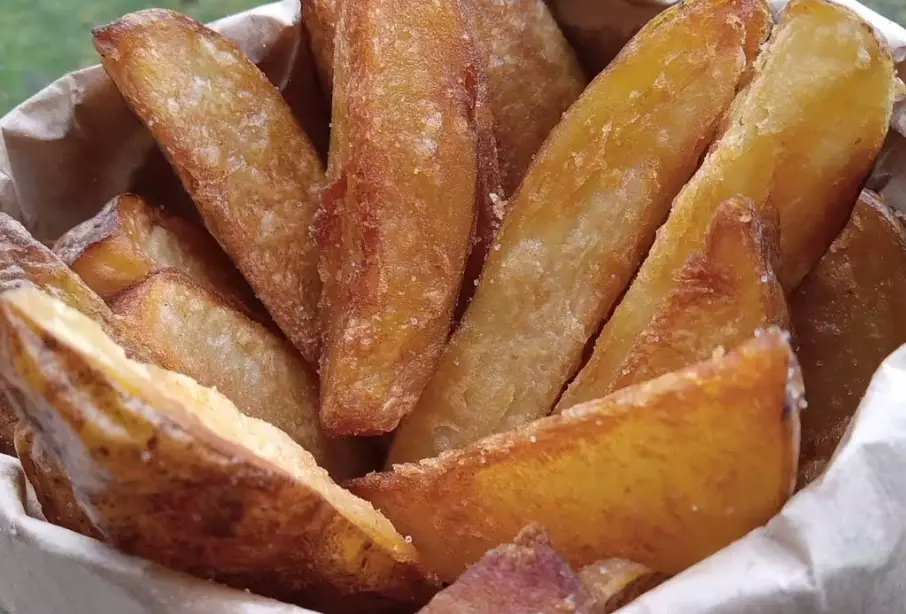
1. Potato Choice is Everything. Russet potatoes. I said it before, I'll say it again. Their starchy, mealy texture is what gives you that fluffy interior. A Yukon Gold can work in a pinch, but it'll be different. Red potatoes? Forget it. They'll be waxy and weird.
2. Dry, Dry, Dry. I can't stress this enough. After soaking, you must pat the wedges bone-dry. Any surface moisture will steam the potato instead of frying it, leading to a sad, soggy jojo. It's also a major safety hazard with hot oil.
3. Season Before, Not After. The seasoning needs to fuse with the potato skin and cook into a crust. Salting after frying just gives you a salty exterior; seasoning before gives you a flavorful exterior.
4. The Double-Fry Method is Not Optional. This is the biggest game-changer. The first, lower-temperature fry cooks the inside. The rest period lets the steam escape. The second, high-temperature fry puffs up the coating and makes it permanently, irrevocably crispy. It's the difference between a good wedge and a legendary jojos potato.
5. Drain on a Rack, Not Paper Towels. Draining on paper towels traps steam and makes the bottom soggy. A wire rack allows air to circulate all around, keeping every surface crisp.
Where to Find the Best Jojo Potatoes in the Wild
Maybe you don't want to fry at home. I get it. Sometimes you just need to experience the classic, mass-produced, perfectly greasy spoon version. Here's where to look, based on my extensive (and delicious) research.
The absolute most reliable place? The deli counter of your local Pacific Northwest grocery store. I'm talking Safeway, Albertsons, Fred Meyer, and especially regional chains like Rosauers or Yoke's. They almost always have them, sold by the pound from a hot case. They're cheap, consistent, and totally authentic. Pair them with some fried chicken from the same case, and you have the quintessential PNW comfort meal.
Beyond grocery stores, keep an eye out at:
- Classic Diners and Drive-Ins: Any old-school spot that has a fryer and a loyal local clientele likely has jojos on the menu.
- Bars and Pubs: In Oregon and Washington, jojos are a common bar food, often listed simply as "seasoned potato wedges."
- Roadside Gas Stations with Kitchens: Seriously. Some of the best, most no-nonsense jojos I've ever had came from a Chevron station off I-5 in southern Oregon. Don't judge a book by its cover.
What about outside the Northwest?
It gets trickier. The term and the specific preparation are very regional. You might find something similar called "seasoned wedges" or "peppered fries," but they often lack the specific spice blend. Your best bet is to search for restaurants that bill themselves as Pacific Northwest cuisine.
Jojo Potatoes: Your Questions, Answered (FAQ)
I've gotten a ton of questions from friends and readers over the years. Here are the big ones.
Are jojo potatoes the same as potato wedges?
All jojos are potato wedges, but not all potato wedges are jojos. It's the specific pre-fry seasoning (that garlic, onion, pepper, seasoned salt blend) and the deep-fried preparation that defines a jojo potato. A plain baked or air-fried wedge is just a wedge.
Can I bake jojo potatoes instead of frying?
You can bake seasoned potato wedges, and they'll be tasty. But will they be true jojos? In my opinion, no. The deep frying is integral to the texture and the way the seasoning forms a crust. Baking tends to dry out the seasoning or make it taste dusty. If you must bake, toss the seasoned wedges in a little oil and bake at 425°F on a wire rack set on a baking sheet to maximize airflow. They'll be good, but manage your expectations.
What's the best dipping sauce for jojos?
This is a matter of fierce debate. The classic, no-fuss pairing is ranch dressing. It's cool and creamy against the hot, peppery crunch. Some purists swear by ketchup. Personally, I'm a fan of fry sauce (a mix of ketchup and mayonnaise, popular in the Intermountain West) or a spicy chipotle aioli. There's no wrong answer, but ranch is the traditional go-to.
How do I reheat jojos to keep them crispy?
Reheating fried food is always a challenge. The microwave is your worst enemy—it will turn them into rubbery, sad potatoes. The best method is to use an air fryer or a conventional oven. Spread them out in a single layer on a baking sheet and heat at 375°F for 5-8 minutes in an air fryer, or 10-15 minutes in a regular oven, until re-crisped. They won't be quite as good as fresh, but it's close.
Are there any variations on the classic jojo?
Absolutely! While the classic peppery blend is king, you'll see variations. Some places use Cajun seasoning for a spicier kick. Sweet potato jojos are a less common but delicious twist. I've even seen them tossed in buffalo sauce after frying, turning them into a messy, fantastic bar snack.
Is there a "healthy" version of jojos?
If you're looking for health food, jojos might not be it. They are, at their core, deep-fried potatoes. However, you can make slightly better choices: use an air fryer with a light spray of oil (again, not traditional, but decent), leave the nutrient-rich skin on, and control the sodium in your homemade seasoning blend. For a deep dive on potato nutrition and varieties, the Potato Goodness website, which is supported by the Washington State Potato Commission, has reliable, science-based information.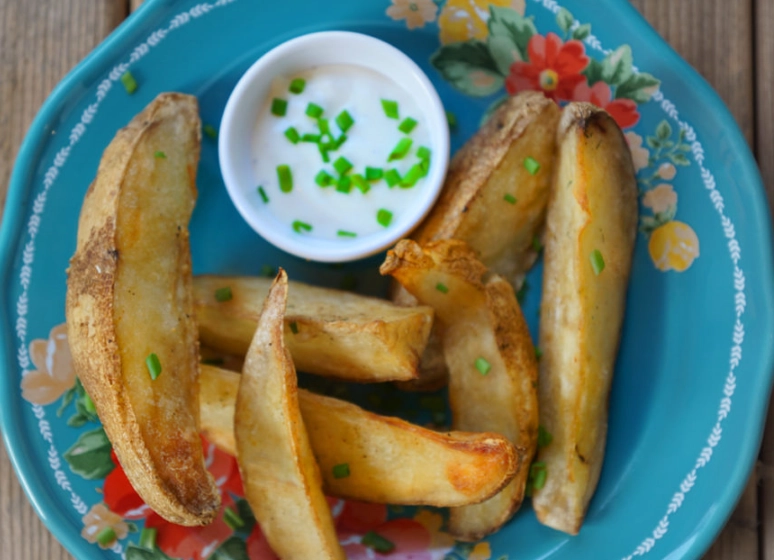
Wrapping It Up: More Than Just a Side Dish
At the end of the day, the jojos potato is more than just a way to eat a potato. It's a piece of regional identity. It represents a certain no-nonsense, hearty, and flavorful approach to food that defines a lot of Pacific Northwest cuisine. It's the taste of a quick deli lunch, a late-night bar snack, and a backyard barbecue all rolled into one perfectly crispy wedge.
They're not fancy. They're not delicate. But when done right, they are absolutely perfect in their own way. Whether you track down a legendary batch at a small-town grocery store or finally nail the recipe at home after a few tries (like I did), the journey is part of the fun.
So go ahead. Embrace the jojo. Just maybe don't eat the whole batch by yourself in one sitting. (But if you do, I won't tell anyone).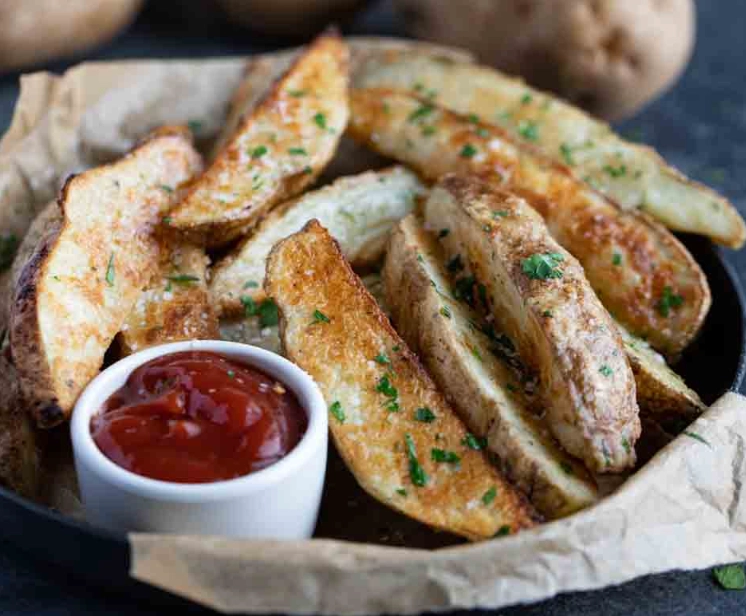
Reader Comments