Quick Navigation
- Why Bother? The Real, Tangible Benefits of Food Prep Recipes
- Finding the Right Food Prep Recipes for YOU (This is Crucial)
- Gear Up: The Essential Tools & Containers (No, You Don't Need a $200 Set)
- My Go-To Food Prep Recipes & Systems (From a Recovering Takeout Addict)
- Putting It All Together: A Sample Weekly Plan for a Beginner
- Leveling Up: Advanced Tips & How to Avoid Burnout
- Troubleshooting Common Food Prep Issues
- Frequently Asked Questions
Let's be honest. The idea of spending your precious Sunday afternoon chopping, roasting, and portioning food for the entire week can sound about as appealing as doing taxes. I used to think that too. My kitchen was a disaster zone of takeout containers, and my wallet was weeping. I'd start the week with grand plans for healthy eating, only to cave by Wednesday and order a pizza because I was too tired to even think about cooking.
Sound familiar?
Then I stumbled into the world of food prep recipes. Not the intimidating, bodybuilder-style trays of plain chicken and broccoli (though no shame if that's your jam), but real, flavorful, actually-enjoyable meals you could make ahead. It changed everything. No more 6 PM "what's for dinner" panic. More money in my pocket. And weirdly, less time spent in the kitchen overall.
This guide isn't about perfection. It's about practicality. I'll walk you through the whole thing—why it works, how to find recipes you'll actually *want* to eat, the gear you really need (and what you can skip), and my own tested systems that prevent burnout. Consider this your friendly, non-judgmental map to making meal prep recipes work for your life.
Quick Truth Bomb: Food prep isn't about eating the same sad meal for seven days straight. It's about smart preparation to make daily cooking effortless.
Why Bother? The Real, Tangible Benefits of Food Prep Recipes
Forget the vague "it's healthy" spiel. Let's talk concrete wins.
First up, time. This is the big one. On a busy weeknight, getting a nutritious dinner on the table can take 45 minutes to an hour from start to finish. With a good weekly meal prep system, you've already done the chopping, the marinating, the slow-cooking. Dinner becomes a 10-15 minute assembly and reheat job. That's 30+ minutes you get back every single night. Do the math over a year—it's massive.
Then there's money. Impulse grocery buys and last-minute takeout are budget killers. When you prep with a plan, you buy exactly what you need. You use up the veggies before they wilt in the drawer. You're not paying the premium for convenience. The USDA Economic Research Service has tons of data showing how planning reduces food costs, and I've felt it firsthand. My grocery bill dropped by a good 20% when I got serious.
And of course, health. This isn't about restrictive dieting. It's about control. When you've got a container of homemade chili or marinated baked tofu ready to go, you're far less likely to grab that processed frozen meal or dial for delivery. You control the salt, the sugar, the oil, the quality of ingredients. It's empowerment on a plate.
My personal favorite benefit? Mental load reduction. The decision fatigue of figuring out meals every single day is exhausting. Having the decision made for you is a form of self-care I never knew I needed.
Finding the Right Food Prep Recipes for YOU (This is Crucial)
This is where most people fail. They pick complicated, chef-level recipes with 25 ingredients and wonder why they hate prepping. The key is to match the recipe to your skill level, your taste buds, and your week's reality.
What Makes a Recipe "Good for Prep"?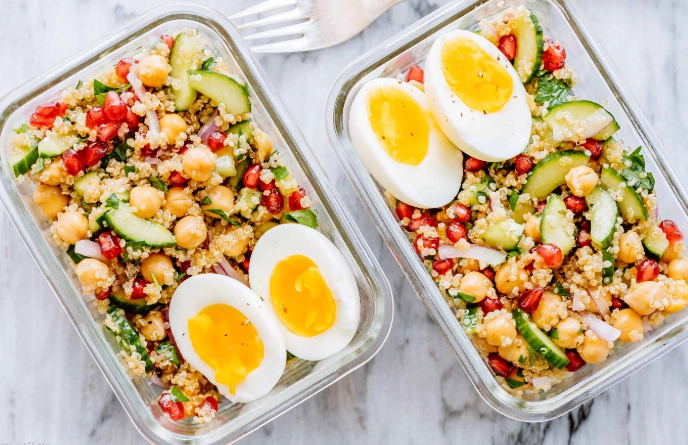
Not all dishes survive the fridge and reheat well. You want recipes with staying power. Look for these characteristics:
- Sturdy Vegetables: Think roasted root vegetables (sweet potatoes, carrots, beets), broccoli, cauliflower, Brussels sprouts, bell peppers. They hold texture. Delicate greens like arugula or fresh herbs should be added fresh when serving.
- Moisture-Rich or Saucy Bases: Grain bowls with a dry base get sad. Recipes with sauces, dressings, stews, or curries reheat beautifully and keep grains/veggies moist. A lemon-tahini sauce or a simple vinaigrette can be prepped separately and added later.
- Proteins That Reheat Well: Shredded meats (chicken, pork shoulder), baked tofu, hard-boiled eggs, beans, lentils. Pan-seared fish or a perfect medium-rare steak? Not so much—best cooked fresh.
I made the mistake early on of prepping a beautiful zucchini noodle pasta. By day two, it was a watery, soggy mess. Lesson learned.
Categories of Food Prep Recipes to Explore
To make your search easier, here's a breakdown of reliable categories. I've included a quick table to compare them at a glance.
Prep separate components: a grain (quinoa, rice), 2-3 proteins, 3-4 roasted veggies, 1-2 sauces.
Burritos, soups, marinated meats in bags, muffin-tin frittatas.
Pre-chopped salad kits, pre-marinated meats from the store, pre-cooked grains.
| Category | Best For... | Core Prep Ideas | My Honest Take |
|---|---|---|---|
| The Big-Batch Master | Feeding a family, lovers of leftovers, ultimate time-savers. | Soups, stews, chilies, curries, pasta sauces, large casseroles. | The backbone of my prep. Make one huge pot, eat for 3-4 days. Can get boring if you don't love leftovers. |
| The Mix-and-Match Bowl Builder | Variety, customization for different tastes, visual appeal. | More upfront work but offers the most flexibility. My go-to for avoiding "menu fatigue." | |
| The Freezer Fairy | Planning far ahead, preventing waste, having emergency meals. | A game-changer for reducing stress. Requires freezer space and thinking weeks ahead. | |
| The Simple Assembler | Beginners, low-energy weeks, minimizing actual cooking. | It still counts! This is how I started. Less "prep," more "assembly line." Great for building the habit. |
Where do you find these easy meal prep recipes? I'm wary of sites that seem purely AI-generated. I stick to trusted sources where real cooks share tested recipes. Budget Bytes is phenomenal for cost-effective, simple ideas. For reliable, well-tested basics, you can't go wrong with America's Test Kitchen (though some require a subscription). I also love Cookie and Kate for vibrant, vegetarian-focused prep ideas.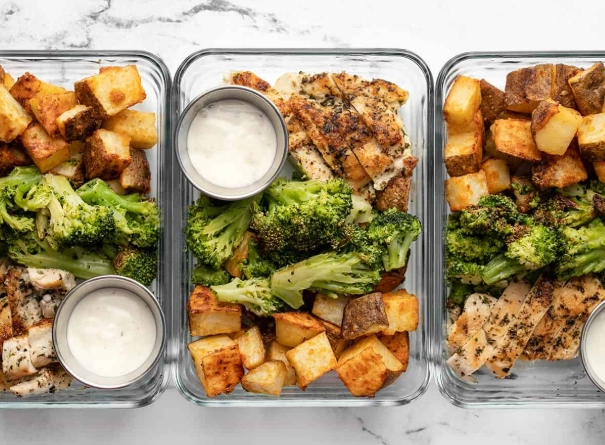
Watch Out For: Recipes labeled "meal prep" that are just overly complex normal recipes. The best food prep recipes have the "hold and reheat" factor built into their DNA.
Gear Up: The Essential Tools & Containers (No, You Don't Need a $200 Set)
The container industry wants you to believe you need a rainbow-colored, perfectly-stacking, portion-controlled container system. You don't. Start simple.
The Non-Negotiables:
- A Large, Sharp Chef's Knife: Dull knives are dangerous and make prep miserable. One good 8-inch knife is worth ten cheap ones.
- Two Large, Rimmed Baking Sheets: For roasting veggies and proteins. Lining them with parchment paper saves cleaning time—a huge win.
- A Big Pot or Dutch Oven: For those big-batch soups and stews.
- Containers You Already Own: Start with your existing Tupperware, mason jars, or even repurposed glass jars from pasta sauce. See what size/shape you actually use before buying anything.
What to Buy When You're Ready:
- Glass Containers with Lids: I prefer glass over plastic. They don't stain, microwave safely, and feel more substantial. I slowly collected a set of rectangular ones in two sizes. The rectangular shape stacks better in the fridge than round ones.
- A Quality Vegetable Peeler & Box Grater: Small tools, massive time savings.
- An Instant Pot or Slow Cooker (Optional but Helpful): These are set-and-forget champions for beans, shredded meats, and grains. Not essential, but they lower the active effort barrier.
My biggest container mistake? Buying a huge set of small, compartmentalized plastic boxes. I never used half of them, and the compartments were never the right size. Waste of money.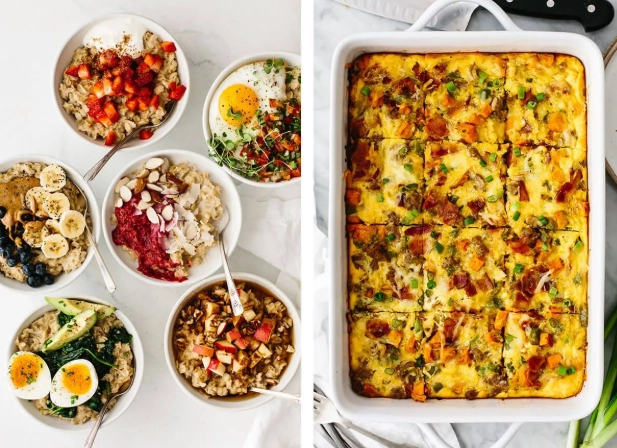
My Go-To Food Prep Recipes & Systems (From a Recovering Takeout Addict)
Here's the practical part. Let me share a few of my most-repeated, foolproof meal prep recipes and how I structure my time.
The "Lazy Sunday" 2-Hour Standard Prep
This is my baseline when life is normal-busy. The goal is to prep components, not necessarily full meals.
- Oven First (45 min): Preheat oven to 400°F (200°C). Chop 2-3 hardy veggies (broccoli, sweet potato, cauliflower), toss with oil, salt, pepper, and any dried herbs. Spread on baking sheets. On a separate sheet, add chicken thighs or tofu cubes tossed in a simple marinade (soy sauce, maple syrup, garlic powder). Roast everything for 25-35 mins.
- Stovetop While Roasting (30 min): Cook 1-2 cups of dry grain (rice, quinoa, farro) according to package directions. Rinse a can of beans. If doing a big-batch item like a soup, I'll start it now in my pot.
- Assembly & Sauces (15 min): Let things cool slightly. Make a simple sauce—a blender tahini sauce or a quick lemon vinaigrette takes minutes. Portion grains, veggies, and protein into containers. Store sauce separately in small containers or jars.
Boom. In about 2 hours, I have the core for 4-5 lunches or dinners. Dinner is just grabbing a container, reheating, and maybe adding fresh greens or avocado.
Top 3 Most Reliable Food Prep Recipes in My Rotation
These have never failed me.
1. The "Never Boring" Bowl Formula: This isn't one recipe, it's a template. I prep:
Base: Quinoa or brown rice.
Protein: A can of chickpeas roasted with smoked paprika, or pre-marinated baked tofu.
Veggies: Roasted bell peppers and red onion.
The Magic: A big batch of lemon-tahini dressing (link to a great recipe). Assemble bowls fresh each day with a handful of spinach. The sauce makes it incredible.
2. Hearty Lentil & Vegetable Soup: This is my ultimate big-batch. Sauté onion, carrot, celery. Add garlic, dried thyme, a couple of tablespoons of tomato paste. Add 1 cup of rinsed brown or green lentils, 6 cups of vegetable broth, and a can of diced tomatoes. Simmer 40 mins. In the last 10 minutes, add chopped kale or spinach. It freezes perfectly, tastes better each day, and is packed with fiber and protein. A true champion among make-ahead meal recipes.
3. Simple Mexican-ish Black Beans & Rice: I cook a pot of brown rice. In another pan, I sauté an onion, add garlic, cumin, chili powder, then two cans of black beans (not drained). Simmer until thickened. I prep pico de gallo (diced tomato, onion, cilantro, lime) separately. During the week, I can make bowls, tacos with quick-heated tortillas, or taco salads. Versatile and satisfying.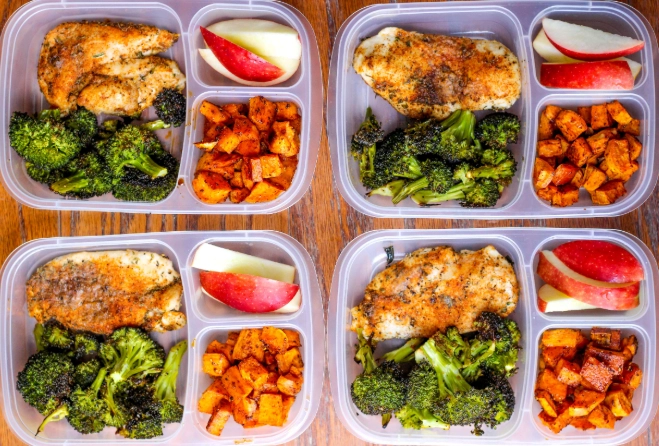
Putting It All Together: A Sample Weekly Plan for a Beginner
Let's make this concrete. Here’s what a realistic, low-stress week might look like.
Prep Day (Sunday, 1.5 hours):
- Roast two trays of veggies: broccoli and sweet potato.
- Cook 1.5 cups of quinoa.
- Prepare one big-batch recipe: The Lentil Soup (see above).
- Hard-boil half a dozen eggs.
- Make a batch of lemon vinaigrette.
The Week's Meals:
Lunches: Lentil soup (Mon, Tue, Wed). Quinoa bowl with roasted veggies, chickpeas from a can (rinsed), and vinaigrette (Thu, Fri).
Dinners: Monday: Soup again if you love it, or an easy omelette with the roasted veggies. Tuesday: Store-bought ravioli with a quick side salad (use the vinaigrette). Wednesday: Loaded baked sweet potatoes with the leftover roasted broccoli and a fried egg. Thursday: Use the last of the quinoa and veggies for a quick stir-fry with some frozen edamame. Friday: Takeout or pizza night—you've earned it!
See? Not every single meal is prepped. It's a hybrid approach that provides structure without feeling like a prison sentence.
Leveling Up: Advanced Tips & How to Avoid Burnout
You've got the basics. Now, how do you stick with it for the long haul?
Embrace the "Prep-Once, Eat-Twice" Mindset: When cooking a regular dinner on, say, Tuesday night, deliberately double or triple the recipe. Portion the extras immediately for future lunches or dinners. This is less daunting than a dedicated "prep day." Making a stir-fry? Double the sauce and chop extra veggies for tomorrow's lunch bowl.
Schedule It & Time Yourself: Put "Food Prep" in your calendar like any other appointment. And set a timer. I give myself 2 hours max. Knowing there's a limit forces efficiency and prevents me from drifting into overly ambitious projects.
Listen to Something Fun: Prep can be meditative, but it can also be boring. I blast podcasts, audiobooks, or my favorite music. It transforms the time from a chore into "me time."
Know When to Take a Week Off: Sometimes life gets crazy, or you're just sick of the sight of containers. That's okay. Plan for a "flex week" where you rely on simpler assembly meals, freezer stash, or even a planned week of trying new recipes without prepping. Forcing it when you're resentful will kill the habit.
My Personal Rule: I aim for 3 out of 4 weekends. That one off-week keeps me from burning out. Sometimes, the best food prep recipe is the one you don't make.
Troubleshooting Common Food Prep Issues
Things will go wrong. Here's how to fix them.
Problem: Food gets soggy or mushy upon reheating.
Solution: Store components separately. Keep sauces, dressings, and wet ingredients in their own small containers. Don't dress salads until you're ready to eat. For grains, a tiny splash of water before microwaving can revive them.
Problem: Everything tastes bland by Thursday.
Solution: Underseason during prep and finish with flavor before eating. Prep your core elements with just salt, pepper, and basic oils. Keep a "flavor boosters" section in your fridge: hot sauce, salsa, fresh herbs, lemon/lime wedges, good Parmesan, toasted nuts or seeds, a jar of pesto. Add these fresh when serving. It makes a world of difference.
Problem: I get tired of eating the same thing.
Solution: This is why the mix-and-match component method is king. Also, repurpose your prepped items. Roasted chicken can be in a bowl one day, in a wrap with buffalo sauce the next, and shredded on a salad the day after. Change the sauce, change the meal.
Problem: I don't have 2-3 hours on a Sunday.
Solution: Break it up! Prep veggies on Wednesday night. Cook grains on Thursday. Cook your big-batch item on Saturday morning. Even 30 minutes of chopping and roasting on a weeknight makes the next few days easier. The Harvard T.H. Chan School of Public Health notes that any amount of advance preparation is beneficial—it doesn't have to be an all-or-nothing marathon.
Frequently Asked Questions (The Stuff You Actually Wonder)
How long does prepped food really last?
Most cooked grains, roasted veggies, and cooked beans last 4-5 days in airtight containers in the fridge. Cooked soups/stews and shredded meats are good for 4 days. Hard-boiled eggs (in shells) last a week. Always use your senses—look, smell, taste. When in doubt, throw it out.
Can I freeze my meal prep?
Absolutely! Soups, stews, chilies, cooked beans, marinated raw meats (in freezer bags), and muffin-tin egg bites freeze beautifully. Let things cool completely before freezing. Thaw in the fridge overnight. Avoid freezing meals with high-water-content veggies like cucumbers or zucchini, dairy-based sauces (they can separate), or cooked pasta (it gets mushy).
Isn't this just for people on diets?
Not at all! That's a huge misconception. Food prep is for anyone who eats food and is busy. It's about efficiency and reducing daily stress. You can prep lasagna, mac and cheese, or meatball subs just as easily as you can prep salads. It's a tool, not a diet.
What's the biggest mistake beginners make?
Trying to do too much, too perfectly, all at once. Start with prepping just lunches for 3 days. Or just prepping snack veggies. Or just making one big soup. Build the habit with a small win. Consistency trumps perfection every single time.
So, there you have it. My no-BS, learned-from-mistakes guide to making food prep recipes a seamless, rewarding part of your life. It's not about Instagram-worthy containers. It's about giving yourself the gift of time, money, and peace of mind during the chaotic week. Start small, be kind to yourself, and find a few recipes you genuinely enjoy. Your future, less-stressed self will thank you.
Now, if you'll excuse me, I have some lentils to simmer. My weeknight self is already cheering.
Reader Comments