Quick Guide
- Why Meal Prep? (Beyond the Obvious)
- The Foundation: Your Meal Prep Mindset
- Gear Up: The Essential (and Non-Essential) Tools
- The Core Method: A Foolproof 5-Step Process
- Recipe Building Blocks: Mix, Match, and Conquer
- The Storage and Reheating Puzzle
- Troubleshooting Common Meal Prep Disasters
- Frequently Asked Questions (FAQs)
- Your First Week Challenge
Let's be honest for a second. The idea of spending your precious Sunday afternoon chopping vegetables and portioning out chicken breasts sounds about as fun as watching paint dry. I used to think the exact same thing. For years, I was the queen of the sad desk lunch—a wilted salad from the cafe downstairs, an overpriced sandwich, or worse, skipping lunch altogether and then crashing hard at 3 PM. My wallet and my energy levels were both crying.
Then I finally gave this whole easy healthy lunch meal prep thing a real shot. Not the Instagram-perfect, 20-container extravaganza, but a simple, realistic version. And you know what? It changed everything. No more daily lunchtime panic. No more spending $15 on something mediocre. Just grab and go.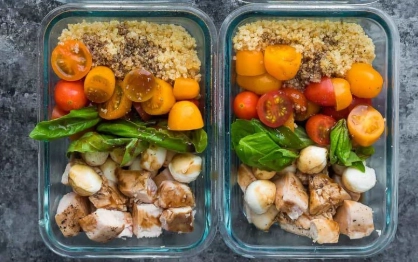
So, if you're tired of the lunchtime scramble and want to eat better without turning into a kitchen slave, you're in the right place. This isn't about rigid rules or fancy techniques. It's about building a simple, sustainable system that works for your life. Let's break down why this is worth your time and exactly how to make your first week of easy meal prep for healthy lunches a total success.
Sure, everyone says meal prep is healthy. But the real wins are more practical. Think about the mental load of deciding what to eat every single day. Now imagine that decision is already made. That relief is priceless. You save money (easily $50+ a week for some people), you waste less food, and you actually get to enjoy a satisfying lunch that fuels the rest of your day, not just fills a hole.
Why Meal Prep? (Beyond the Obvious)
We all know we should eat healthier. But "should" is a weak motivator. Let's talk about the tangible wins that actually make sticking with healthy lunch meal prep easy.
First up: time. It feels counterintuitive—spending time to save time? But it's math. Spending 1.5 focused hours on a Sunday saves you at least 30 minutes of daily lunch-related chaos (deciding, buying, waiting, assembling). That's 2.5 hours saved in a 5-day workweek. You're coming out ahead.
Money is the big one. A homemade lunch costs, on average, a third of what a bought lunch does. Do the math for your own city. For me, a takeout salad is $12. My homemade version? Maybe $4. That's $40 saved in a week. That adds up fast.
Then there's the consistency factor. When healthy food is the only option in your fridge, you eat healthy food. It removes willpower from the equation at your hungriest moment. You also reduce food waste dramatically. That half-bell pepper and lonely chicken breast get used up instead of forgotten.
But here's my favorite benefit, the one nobody talks about enough: the mental peace. The 11:45 AM "What am I going to eat?" anxiety vanishes. It's gone. That alone is worth the effort.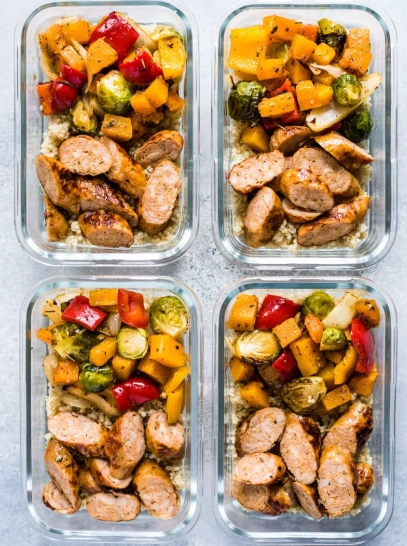
The Foundation: Your Meal Prep Mindset
Before you touch a knife, get your head in the game. The biggest reason people fail at easy healthy lunch meal prep is they aim for perfection. They see a YouTube video with 10 perfectly stacked glass containers and think that's the standard. It's not.
Your goal is not Pinterest perfection. Your goal is "better than yesterday." If you usually buy lunch every day, prepping for two days is a win. Start small.
Embrace repetition. You do not need five completely different lunches. Most people are perfectly happy eating a variation of the same core meal 2-3 times a week. It simplifies shopping, prep, and cooking.
Finally, be kind to yourself. Some weeks you'll nail it. Some weeks, life will happen, and a store-bought soup will be your hero. That's okay. The system is there to serve you, not chain you down.
Gear Up: The Essential (and Non-Essential) Tools
You don't need a kitchen full of gadgets. In fact, you can start with what you probably already have. But a few key investments make meal prep for healthy lunches infinitely easier.
The Absolute Must-Haves
Good Containers: This is your #1 priority. Don't use old takeout containers that leak or warp. You need a set of reliable, leak-proof containers. I'm a fan of glass containers with locking lids (like Pyrex or IKEA's 365+ series) because they don't stain, microwave safely, and last forever. Bento-style boxes with compartments are great for keeping things separate and are perfect for an easy healthy lunch.
A Sharp Chef's Knife: A dull knife is dangerous and makes prep a chore. One good 8-inch chef's knife is worth ten cheap sets.
Large Baking Sheets (Sheet Pans): The king of easy cooking. You can roast an entire week's worth of vegetables and protein on one or two pans. It's called "sheet pan cooking," and it's a meal prepper's best friend.
A Big Bowl or Two: For tossing salads, mixing grains, and general assembly.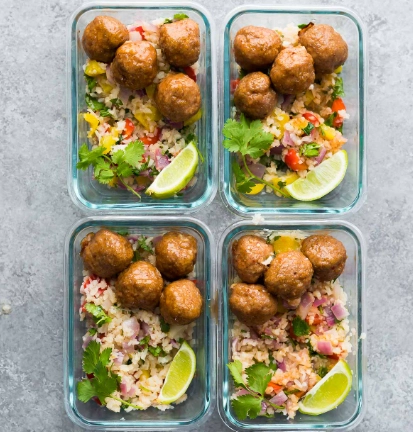
The "Nice-to-Have" Upgrades
A rice cooker or Instant Pot takes the guesswork out of cooking grains and beans. A good set of measuring cups/spoons helps with portion control if that's a goal. A mandoline slicer is fantastic for quickly slicing cucumbers, carrots, or zucchini into uniform pieces, but a knife works fine. Don't go buy all this at once. Start with the essentials and add tools as you identify a specific need.
The Core Method: A Foolproof 5-Step Process
Here is the basic, no-fail framework I follow every week. It turns the vague task of "meal prep" into a clear checklist.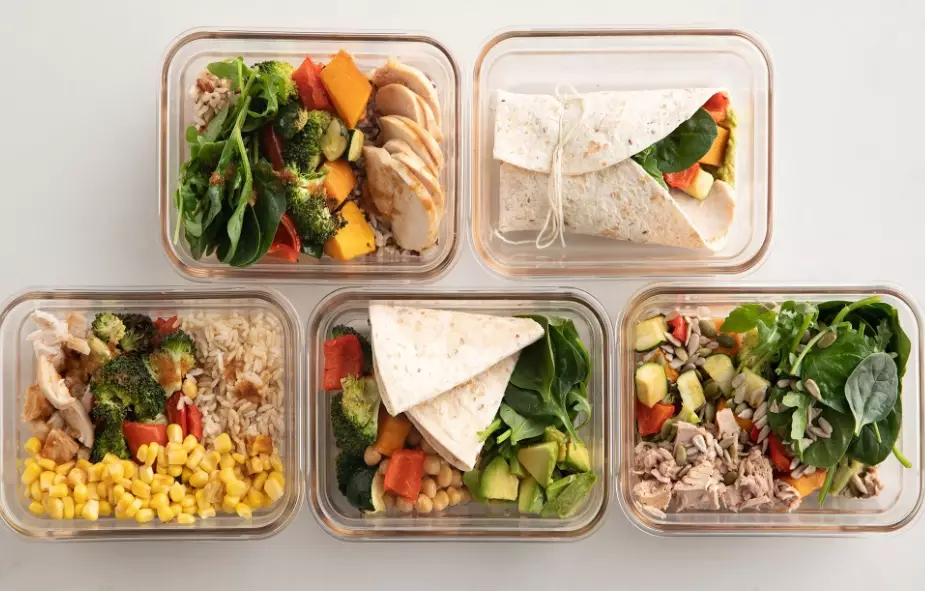
Step 1: The 15-Minute Plan & Shop
Don't just wander the grocery store. Pick a primary protein, 2-3 vegetables, a complex carb, and a healthy fat. That's your formula. Write down exactly what you need. Check your pantry first. A sample plan might look like: Chicken thighs, broccoli & bell peppers, quinoa, avocado, and a simple lemon-tahini dressing. That's it. One shopping list for 3-4 lunches.
Step 2: The Sunday "Power Hour" (It's Usually Less)
This is your active cooking time. Put on some music or a podcast. First, preheat your oven for roasting. While it heats, chop all your vegetables. Toss them in oil, salt, and pepper, and get them on a sheet pan. Next, prepare your protein (season that chicken!) and add it to the same or a second pan. While everything roasts (usually 20-30 min), cook your grain (quinoa, rice, farro) on the stovetop. Multitasking is key.
Step 3: The Assembly Line
This is where the easy lunch meal prep magic happens. Line up your containers. Start with your grain base, add your roasted veggies, then your sliced protein. Keep dressings or saucy items in small separate containers or jars to prevent sogginess. If you're adding something like avocado, leave it whole and slice it fresh the morning you eat it.
Step 4: Smart Storage
Let cooked components cool completely before sealing the containers to avoid condensation. Most prepped meals will last 3-4 days in the fridge. If you're prepping for Friday, consider freezing Wednesday's and Thursday's meals on Sunday, then moving them to the fridge the night before you need them.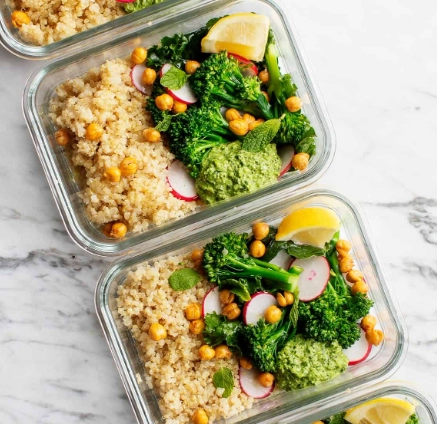
Step 5: The Graceful Grab & Go
Each night, just grab the next day's container and put it in your work bag. Maybe add a piece of fruit or a yogurt. That's it. Your future self will thank your past self profusely at 12:30 PM tomorrow.
Recipe Building Blocks: Mix, Match, and Conquer
You don't need recipes, you need formulas. Think of these as Lego blocks for your healthy lunch meal prep. Pick one from each category, and you have a complete, balanced meal.
| Protein (Pick 1) | Vegetables (Pick 2-3) | Complex Carb (Pick 1) | Flavor Boosters |
|---|---|---|---|
| Baked chicken breast or thighs | Broccoli florets | Quinoa | Lemon-tahini dressing |
| Pan-seared tofu or tempeh | Bell pepper strips | Brown rice or farro | Pesto (store-bought is fine) |
| Black beans or chickpeas (canned, rinsed) | Cherry tomatoes | Whole-wheat pasta or couscous | Balsamic glaze |
| Hard-boiled eggs | Sliced zucchini or mushrooms | Sweet potato cubes (roasted) | Salsa or pico de gallo |
| Flaked salmon or tuna | Baby spinach or kale | Lentils | Greek yogurt-based herb sauce |
See how that works? Baked chicken + broccoli & bell peppers + quinoa + pesto. Or, black beans + sweet potato & spinach + brown rice + salsa. Endless combinations, one simple process.
For the simplest possible start, try the "Bowl" method. Cook a big batch of a grain. Roast two trays of mixed vegetables (like cauliflower and chickpeas on one, sweet potato on another). Make a quick sauce from Greek yogurt, lemon juice, and dill. Assemble bowls throughout the week. It's foolproof.
The Storage and Reheating Puzzle
This is where people get tripped up. How do you keep prepped food tasting good for days?
Fridge Lifespan Guidelines
Cooked grains and roasted vegetables: 4-5 days. Cooked chicken, fish, tofu: 3-4 days. Leafy green salads (undressed): 2-3 days. Hard-boiled eggs: 1 week. Always use your nose and eyes as the final judge. When in doubt, throw it out.
Reheating for Success
For grain bowls and roasted items, sprinkle a teaspoon of water over the food before microwaving to reintroduce moisture. Reheat in 1-minute intervals, stirring in between. For salads, obviously, no reheating—just keep dressing separate until you're ready to eat. For soups and stews (great for meal prep!), reheat on the stovetop or in the microwave until piping hot.
A note on food safety: The U.S. Department of Health & Human Services food safety website is an excellent resource for safe storage temperatures and practices. Keeping your fridge at 40°F (4°C) or below is crucial for preventing bacterial growth.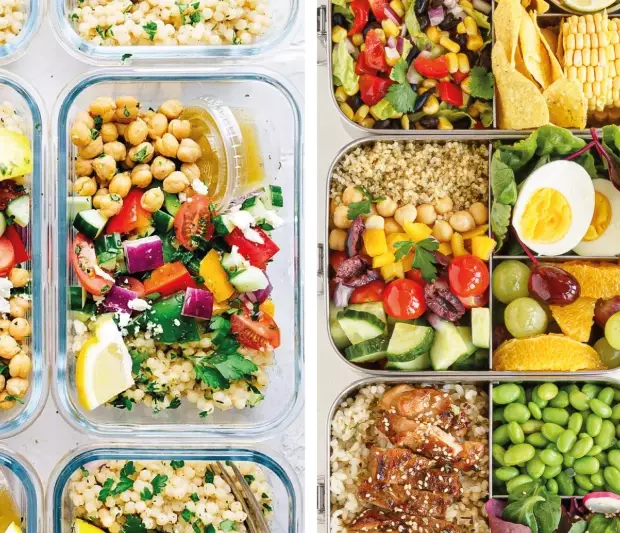
Troubleshooting Common Meal Prep Disasters
It won't always be smooth sailing. Here's how to fix the usual suspects.
Problem: "My food gets soggy and sad by Wednesday."
Solution: You're probably putting wet ingredients (like tomatoes, cucumbers) with dry ones too early, or sealing food while it's still warm. Keep high-moisture items separate. Use those little condiment containers for dressings and sauces. Let everything cool completely!
Problem: "I get bored eating the same thing."
Solution: Prep components, not complete meals. Instead of 5 identical chicken-and-broccoli boxes, store a big container of chicken, a big container of broccoli, and a big container of rice. Each day, you can assemble a bowl and change the sauce (teriyaki Monday, buffalo Wednesday, etc.). It feels different.
Problem: "I don't have time to cook on Sunday."
Solution: Then don't. Prep on whatever day you have time. Monday night? Fine. Or, use the "double dinner" method. When making dinner on Tuesday, intentionally make 2-3 extra servings and immediately pack them for lunch. Your easy healthy lunch meal prep is done as a byproduct of dinner.
Frequently Asked Questions (FAQs)
Let's tackle the big questions that pop up when you're starting with easy meal prep for healthy lunches.
Your First Week Challenge
Don't try to prep five gourmet lunches. Let's make it stupidly simple.
The Challenge: Prep TWO lunches for next week.
The "Recipe": Go to the store. Buy a rotisserie chicken, a bag of pre-washed salad greens, a cucumber, a pint of cherry tomatoes, and a bottle of your favorite vinaigrette. Maybe a loaf of whole-grain bread or a few whole-grain rolls.
The Prep (10 minutes max): Shred some chicken from the rotisserie. Slice the cucumber and halve the tomatoes. Put the greens in two containers. In small separate containers, portion out the chicken, cucumbers, and tomatoes. Pack the dressing in another tiny container.
That's it. You've just done easy healthy lunch meal prep. On Monday and Tuesday, you'll assemble your salad at your desk in one minute. You saved time, saved money, and ate a healthy lunch. Celebrate that win. Next week, you can try roasting some vegetables. Build from there.
The goal isn't to be perfect. The goal is to make your life a little easier and a little healthier, one prepped lunch at a time. You've got this.
Now, go reclaim your lunch break.
Reader Comments