Quick Guide
Let's be honest. We've all been there. You buy those thin sliced chicken breasts with dreams of a quick, healthy dinner. Twenty minutes later, you're staring at a plate of sad, dry, cardboard-like meat wondering what went wrong. I've thrown away more rubbery chicken than I care to admit. It's frustrating.
But here's the thing – it doesn't have to be that way. Learning how to cook thin sliced chicken breast properly is a game-changer. It's one of the fastest proteins to get on the table, it's incredibly versatile, and when done right, it's juicy and full of flavor. The secret isn't some fancy technique only chefs know. It's mostly about understanding a few simple principles and then not overcomplicating things.
This guide is everything I wish I knew when I started. No fluff, just the practical steps and why they work.
Before You Even Turn On the Stove: The Prep Work
Most mistakes happen before the chicken hits the pan. Skipping these steps is like trying to build a house on a shaky foundation.
1. Pat Dry. Seriously, Do It.
This is the single most ignored tip. Your chicken breasts are probably sitting in a little pool of moisture in their package. If you throw wet chicken into a hot pan, it steams instead of sears. Steaming is the enemy of flavor and texture. You want a beautiful, golden-brown crust (that's the Maillard reaction, for the science folks), and moisture prevents that.
Take paper towels and press them firmly against each piece. Get them as dry as you can. You'll be amazed at the difference this makes.
2. To Pound or Not to Pound?
Sometimes "thin sliced" from the store isn't thin or even enough. One end is thicker than the other, which guarantees uneven cooking. The solution is simple.
Place the chicken between two sheets of plastic wrap or inside a heavy-duty zip-top bag. Use a rolling pin, a heavy skillet, or the smooth side of a meat mallet to gently pound it to an even thickness – aim for about 1/4 to 1/2 inch. Don't go crazy and tear it. Even thickness is the holy grail for how to cook thin sliced chicken breast evenly.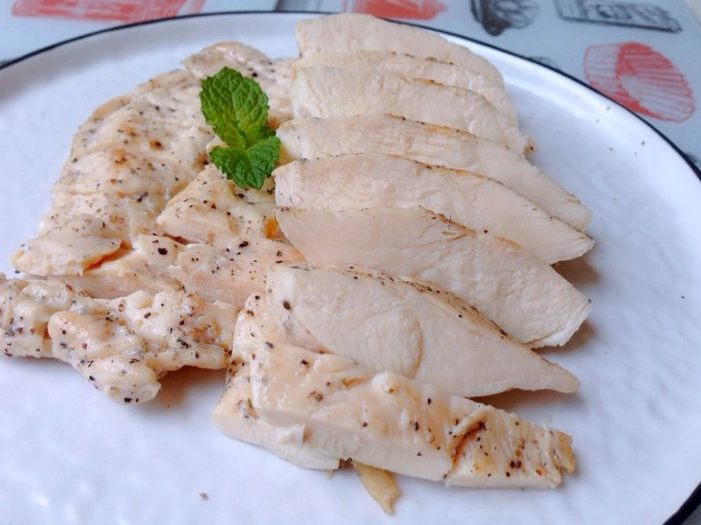
3. Seasoning: When and How
Season generously with salt and pepper right before cooking. I mean it. Don't be shy. The salt helps pull some moisture to the surface, which then aids in browning. If you salt too far in advance on such a thin cut, it can start to cure the meat and make it a bit hammy in texture (not always bad, but not what we're going for here). For a basic start, kosher salt and freshly ground black pepper are perfect.
Choosing Your Weapon: Best Cooking Methods
Not all methods are created equal for thin cuts. High, direct heat is your best friend. Slow, low heat is your nemesis.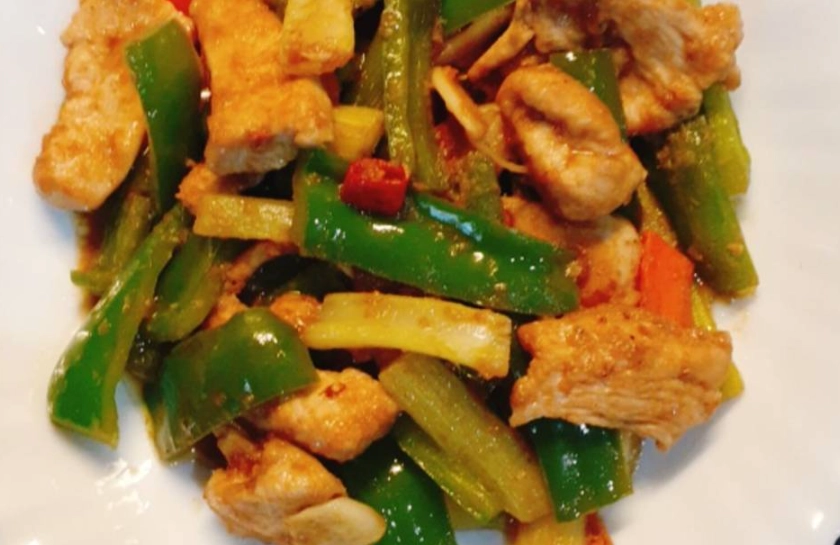
| Cooking Method | Best For | Key to Success |
|---|---|---|
| Pan-Searing/Sautéing | Quickest method, best crust, weeknight dinners. | Very hot pan, don't move the chicken until it releases easily. |
| Stir-Frying | When the chicken is part of a dish with veggies/sauce. | Extremely high heat, cook in batches to avoid steaming. |
| Grilling | Summer cookouts, smoky flavor. | Clean, well-oiled, screaming hot grates. Watch closely! |
| Broiling | No splatter, hands-off approach. | Rack positioned close to the broiler, check every 90 seconds. |
| Baking | Cooking larger batches evenly. | High oven temp (400°F+), use a rack on a sheet pan. |
Mastering the Pan Sear (The Go-To Method)
This is my absolute favorite way to cook thin sliced chicken breast for a simple dinner. Here's the step-by-step I use every time.
- Heat the Pan: Use a heavy-bottomed skillet (cast iron or stainless steel are kings). Get it over medium-high to high heat until it's properly hot. A drop of water should skitter and evaporate instantly.
- Add Fat: Swirl in a high-smoke-point oil – avocado, grapeseed, or even regular olive oil (not extra virgin). You need enough to lightly coat the pan.
- Lay the Chicken: Carefully add your dried, seasoned chicken breasts. They should sizzle aggressively the moment they touch the pan. Don't crowd them! If you have to, cook in batches. Crowding drops the pan temp and steams the chicken. This is non-negotiable.
- The Waiting Game: This is the hard part. Do not touch, poke, or move the chicken for at least 2-3 minutes. Let it sear and form that crust. It will naturally release from the pan when it's ready.
- Flip and Finish: Flip once. The second side usually cooks faster, maybe 1-2 minutes. If you're adding a pan sauce, remove the chicken first, make your sauce, then return the chicken to coat.
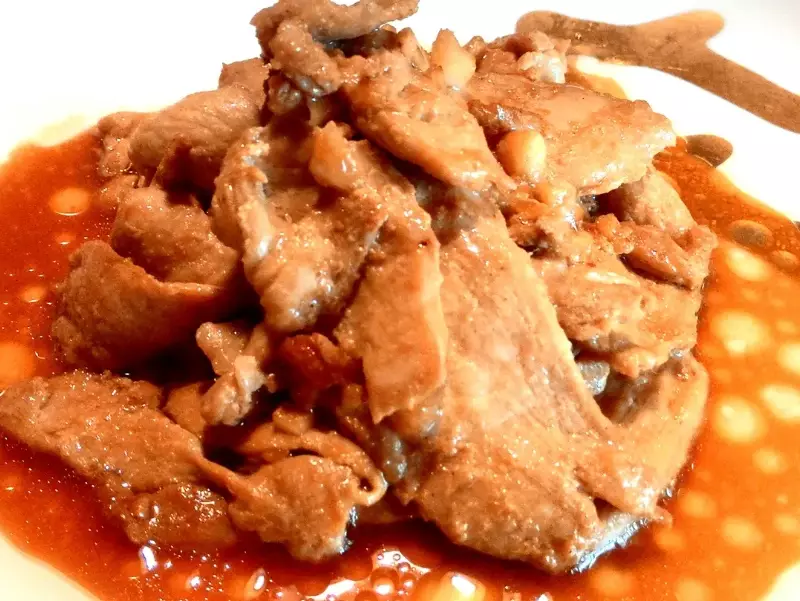
That sizzle is the sound of success.
What About Baking?
Baking gets a bad rap for drying out chicken, but it's fantastic for thin sliced chicken breast if you do it right. The key is high heat and not overdoing it.
Preheat your oven to 425°F (220°C). Place the chicken on a wire rack set over a baking sheet. This allows hot air to circulate all around, preventing the bottom from getting soggy. Lightly brush with oil. They'll bake in 8-12 minutes, depending on thickness. Yes, it's that fast. A meat thermometer is your best friend here.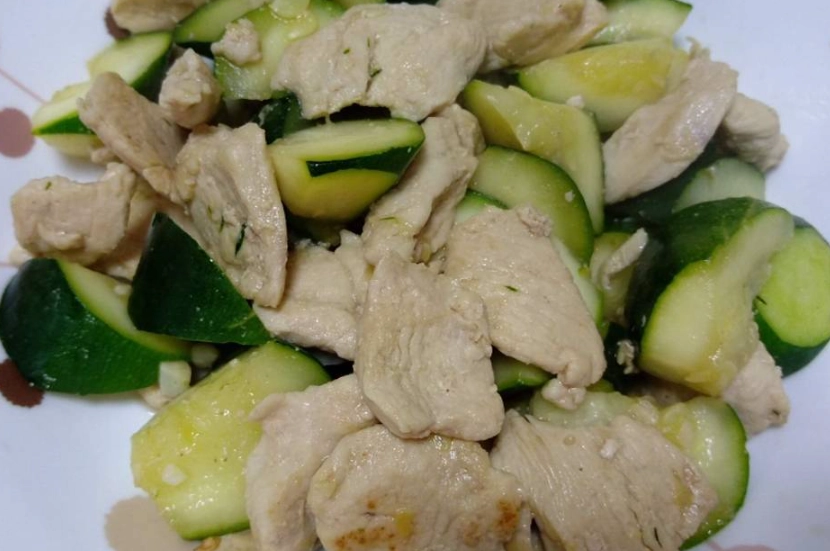
The Doneness Dilemma: How to Know It's Done (Without Cutting)
Cutting into the chicken to check is a one-way ticket to Dryville. All the juices leak out. You have better tools.
- The Touch Test: Press the center of the chicken with your finger. If it feels soft and squishy, it's raw. If it feels firm and springy, it's overcooked. You want a slight give – like pressing the base of your thumb when your hand is relaxed.
- The Thermometer Test (The Best Way): This removes all guesswork. The USDA recommends cooking chicken to a safe internal temperature of 165°F (74°C). For juicy results, I pull it off the heat at 160-162°F (71-72°C). The residual heat will carry it the rest of the way to 165°F as it rests. Insert the thermometer into the thickest part. For accurate and safe food handling guidelines, you can always refer to resources like the USDA's safe temperature chart.
Flavor Boosters: Marinades, Rubs, and Simple Sauces
Salt and pepper are great, but let's talk flavor. Because thin slices cook so fast, wet marinades don't have long to penetrate. Instead, focus on quick, powerful flavor agents.
| Flavor Profile | Quick Marinade (30 mins max) | Dry Rub (Apply right before cooking) |
|---|---|---|
| Lemon Herb | Olive oil, lemon zest/juice, minced garlic, chopped rosemary/thyme. | Dried lemon peel, granulated garlic, dried oregano, salt, pepper. |
| Asian-Inspired | Soy sauce, sesame oil, grated ginger, a touch of honey. | Five-spice powder, white pepper, a little sugar. |
| Smoky Spice | Olive oil, smoked paprika, cumin, lime juice. | Brown sugar, chili powder, smoked paprika, garlic powder. |
For sauces, think quick pan sauces. After removing the chicken, add a splash of broth (chicken or veg), wine, or even water to the hot pan. Scrape up the browned bits (fond) – that's pure flavor. Let it reduce a bit, swirl in a pat of cold butter or a spoonful of cream, maybe some herbs, and you have a restaurant-worthy sauce in two minutes.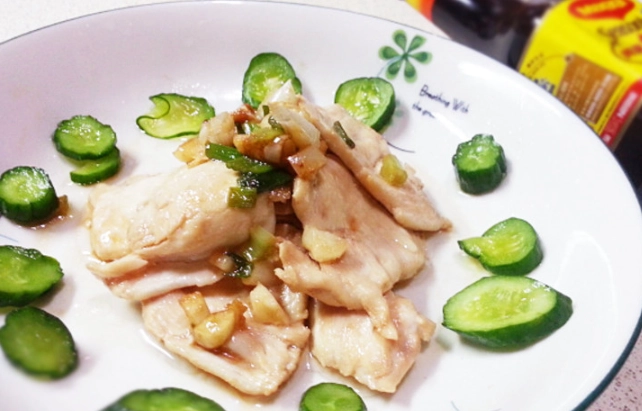
Answering Your Questions (The FAQ Bit)
I get asked these all the time, so let's tackle them head-on.
Putting It All Together: A Sample Game Plan
Let's walk through a typical Tuesday night dinner, from package to plate.
- Open & Dry: Take chicken out of package. Press firmly with paper towels until surface is dry.
- Even Out: Check thickness. If uneven, gently pound between plastic to 1/2-inch uniform thickness.
- Season: Sprinkle both sides generously with salt and pepper. Maybe a light dust of garlic powder.
- Heat Pan: Get your skillet screaming hot over medium-high heat. Add a tablespoon of avocado oil.
- Sear: Add chicken (don't crowd). Listen for the sizzle. Don't touch for 3 minutes.
- Flip & Finish: Flip. Cook for another 1-2 minutes. Check temp – aim for 160°F.
- Rest: Move to a plate, tent with foil. Let it sit for 5 whole minutes.
- Serve: Slice and serve. It will be juicy. I promise.
See? The process for how to cook thin sliced chicken breast isn't about complex skills. It's about patience (drying, not crowding, resting) and high heat. It's about respecting the fact that this is a delicate, quick-cooking ingredient.
Now go try it. And maybe don't tell everyone how easy it is – let them think you're a kitchen wizard.
Reader Comments